Programmed January 2023
Cinema Verité
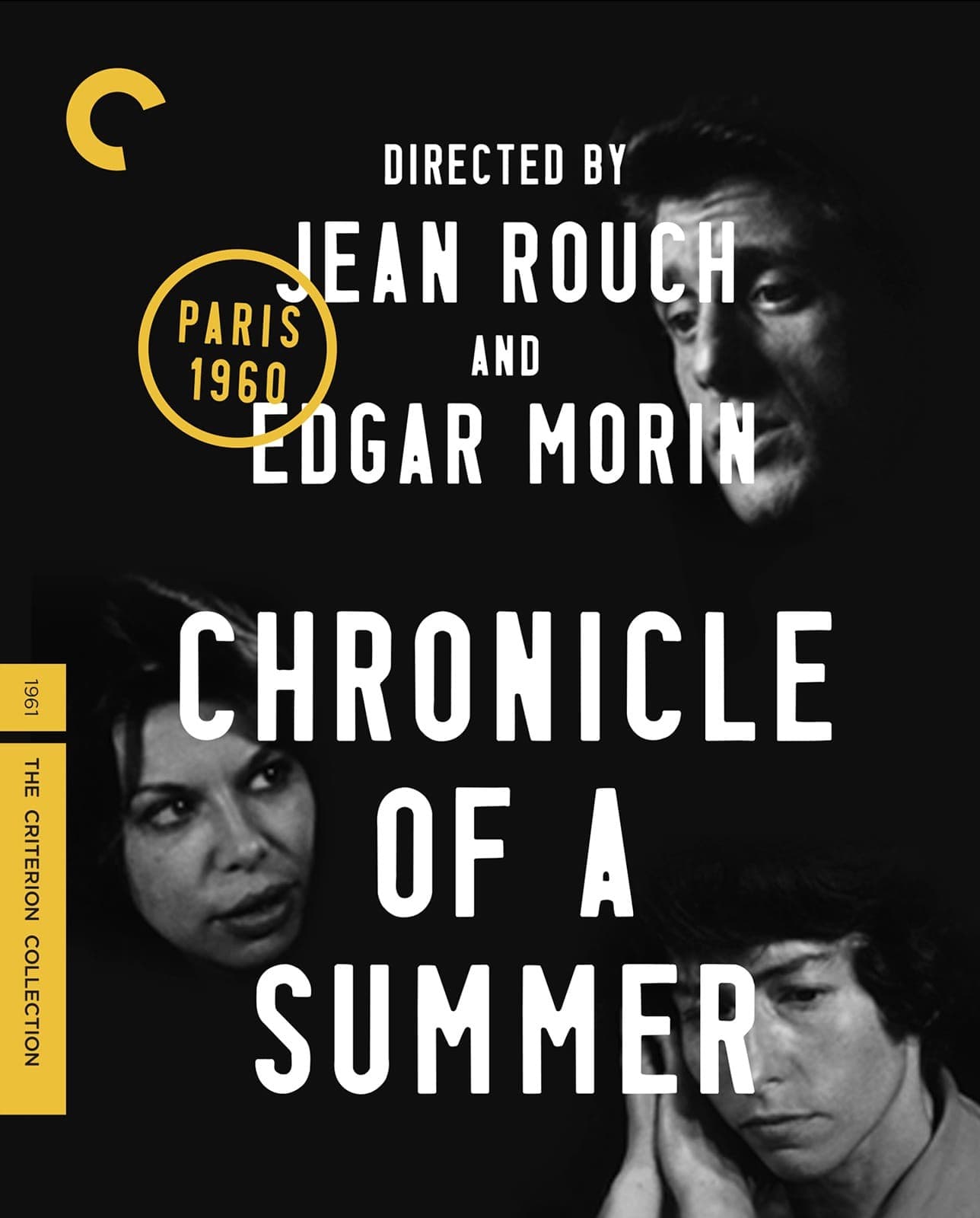
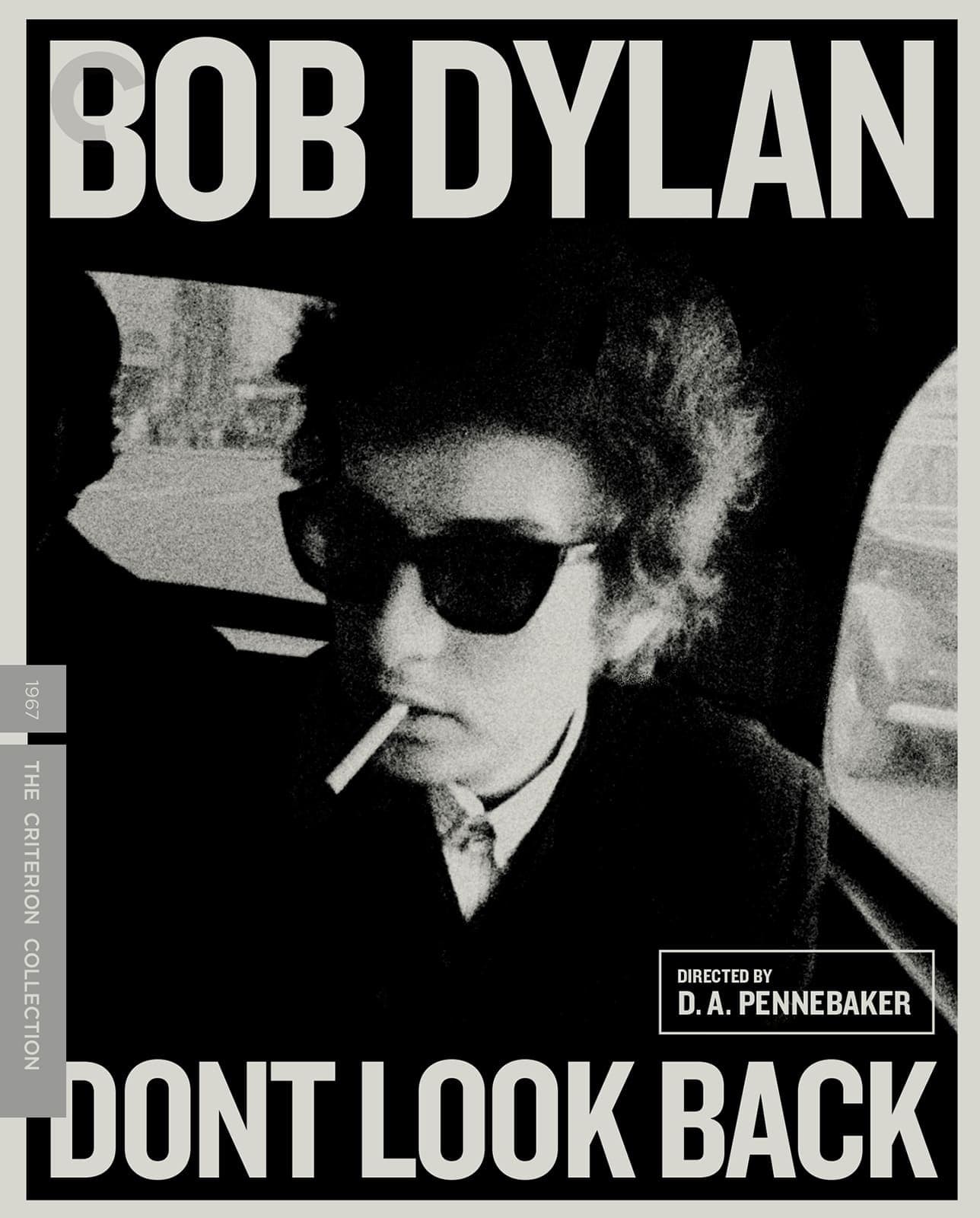
In the 1960s, filmmakers on both sides of the Atlantic spilled into the streets in search of cinematic truth, armed with lightweight cameras that allowed for an unprecedented level of intimacy and liberated documentary from the conventions of voice-over narration and talking-head interviews. Today the term cinema verité (“cinema of truth”) is used as a catchall for both the philosophical and ethnographic inquiries of Jean Rouch and Edgar Morin—who coined the term—and the Direct Cinema movement in the U.S., which revolutionized and popularized the documentary form by attempting to capture, with startling immediacy, the truth of everyday life, often finding it in the era’s churning counterculture. This program features defining works by Rouch and Morin ( Chronicle of a Summer ), D. A. Pennebaker ( Dont Look Back ), the Maysles brothers ( Salesman ), and Barbara Kopple ( Harlan County USA ) that display the myriad contrasting methods these filmmakers employed to capture truth on film.
20 films
18 of 20 streaming