Themed collections currently programmed on the Criterion Channel. Sourced from rpeters on Letterboxd, who maintains a public list per collection.
179 of 837 collections
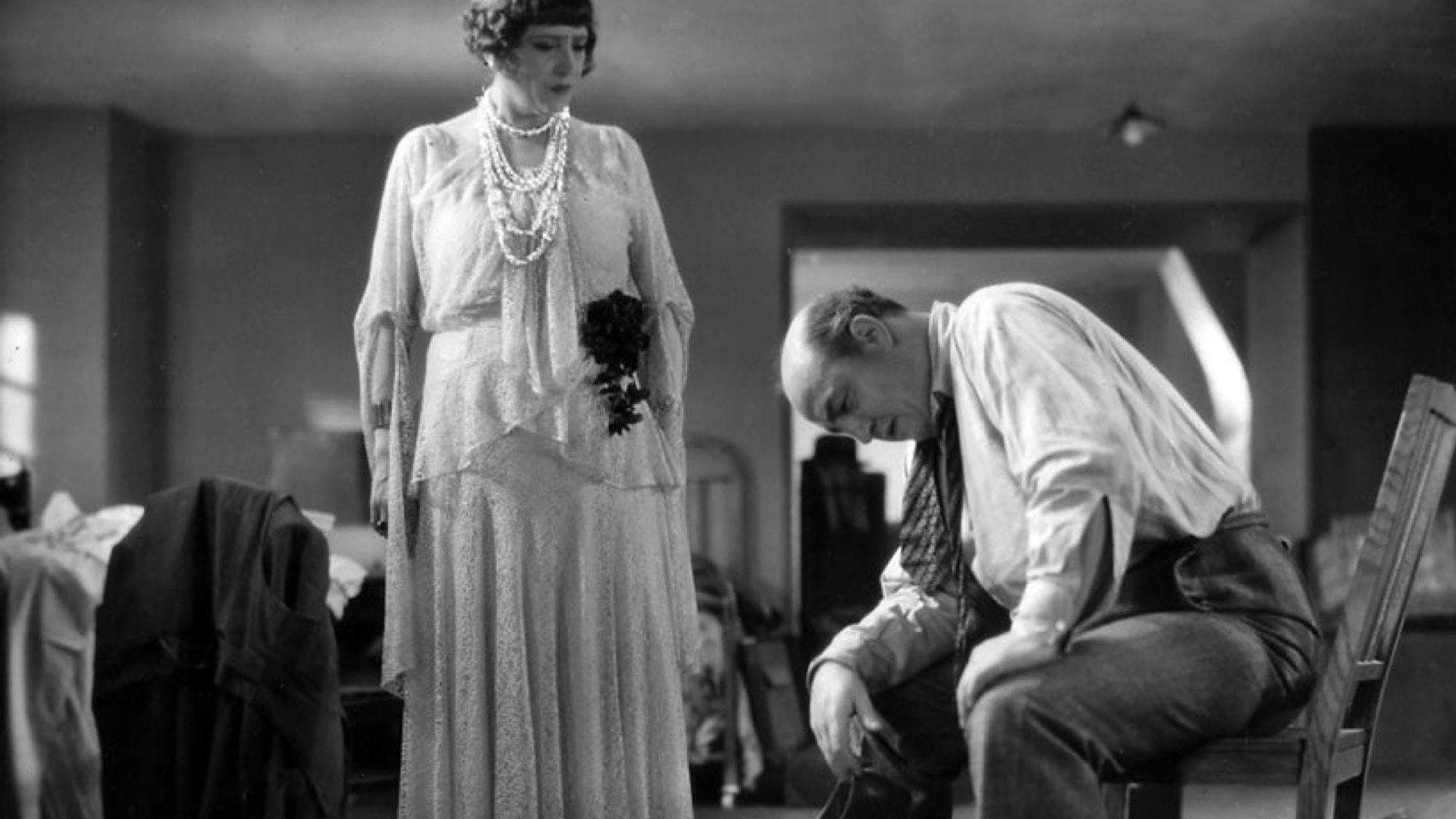
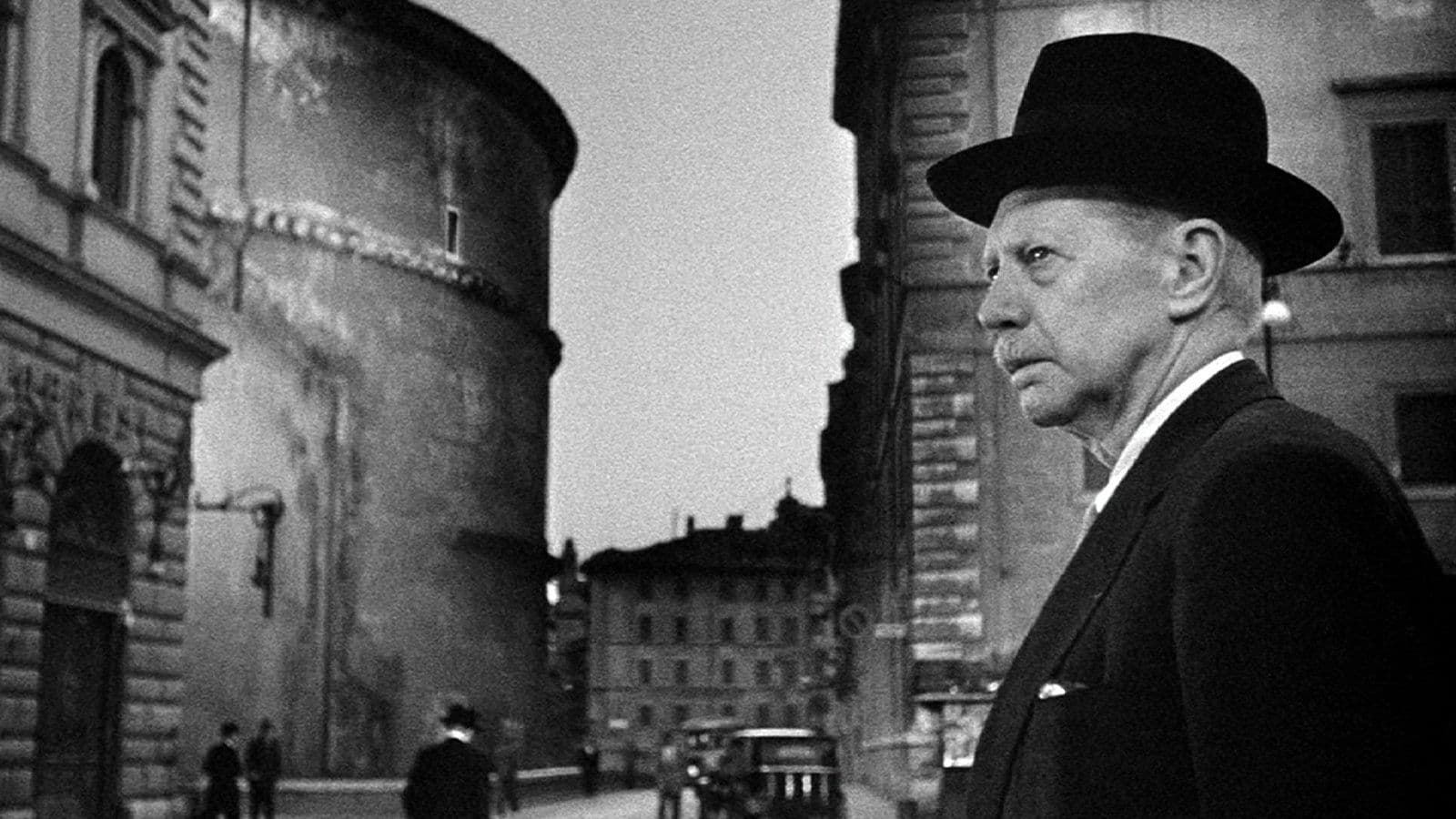
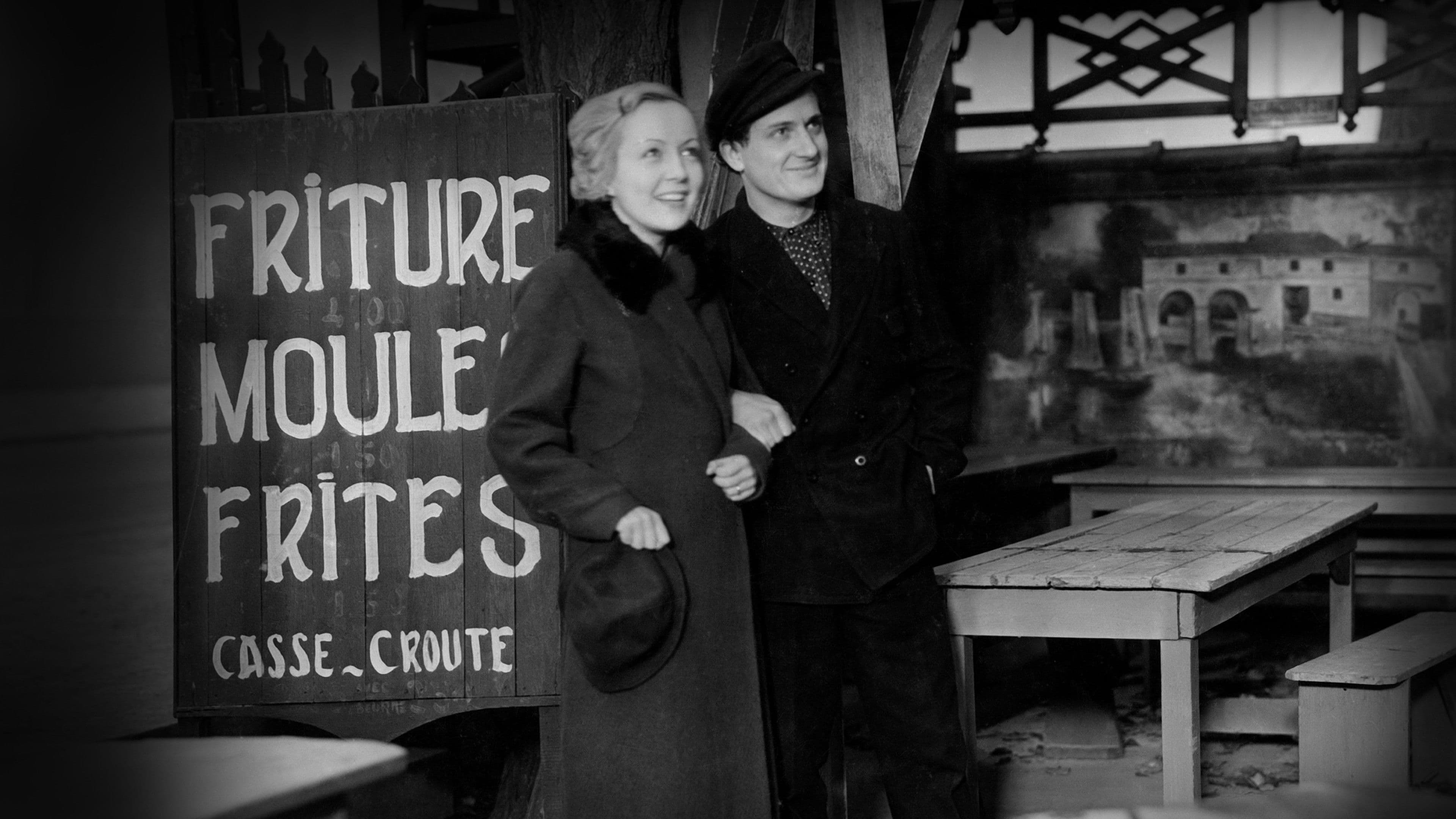
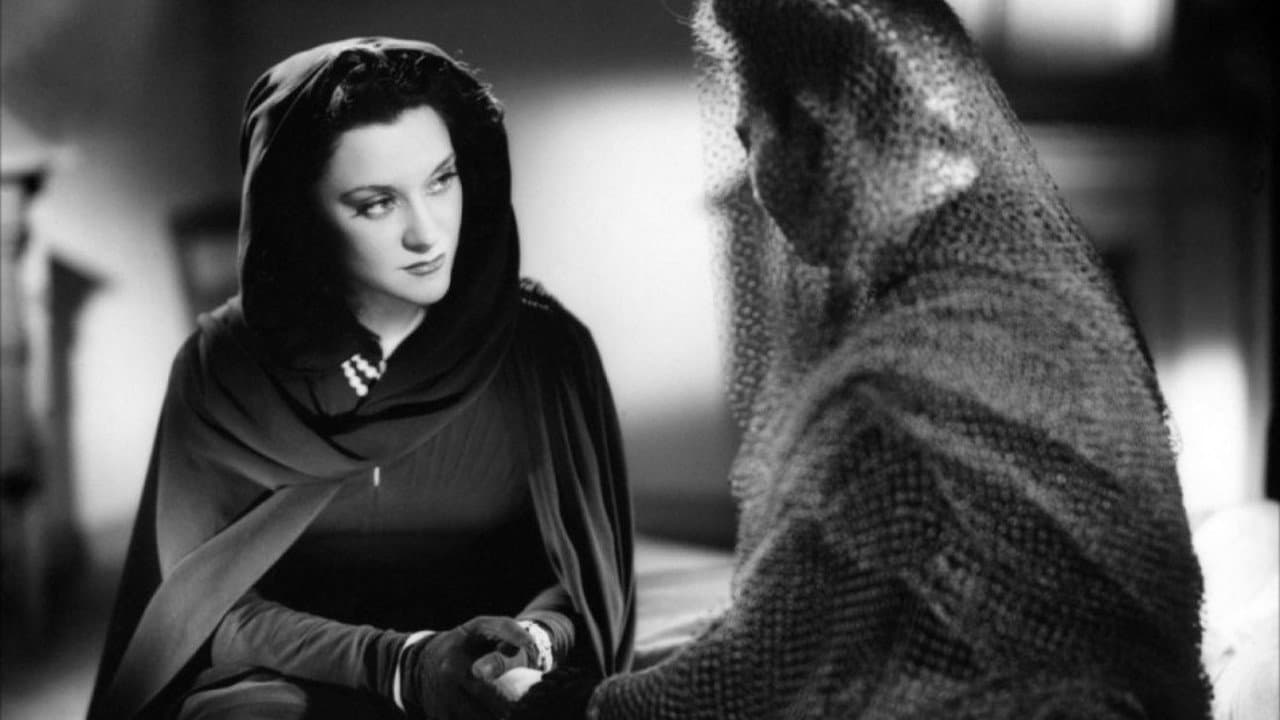
Julien Duvivier was among the definitive craftsmen of classical French cinema, bringing expressive camera work, atmospheric mise-en-scène, and a darkly lyrical sensibility to often-overlooked jewels across an extraordinary array of genres. His deeply shadowed, fatalistic early sound films David Golder and La tête d’un homme anticipate the poetic-realist style that would come to define 1930s Gallic cinema, and which would find one of its fullest expressions in the intoxicatingly doom-laden, Algiers-set underworld drama Pépé le Moko . From the elegant, wistful romance of Un carnet de bal to the startlingly bleak noir pessimism of Panique to the charmingly imaginative meta-comedy of La fête à Henriette , Duvivier maintained a master’s touch that won him the admiration of titans like Orson Welles and Jean Renoir, who declared, “If I were an architect and I had to build a monument to the cinema, I would place a statue of Julien Duvivier at the entrance.”
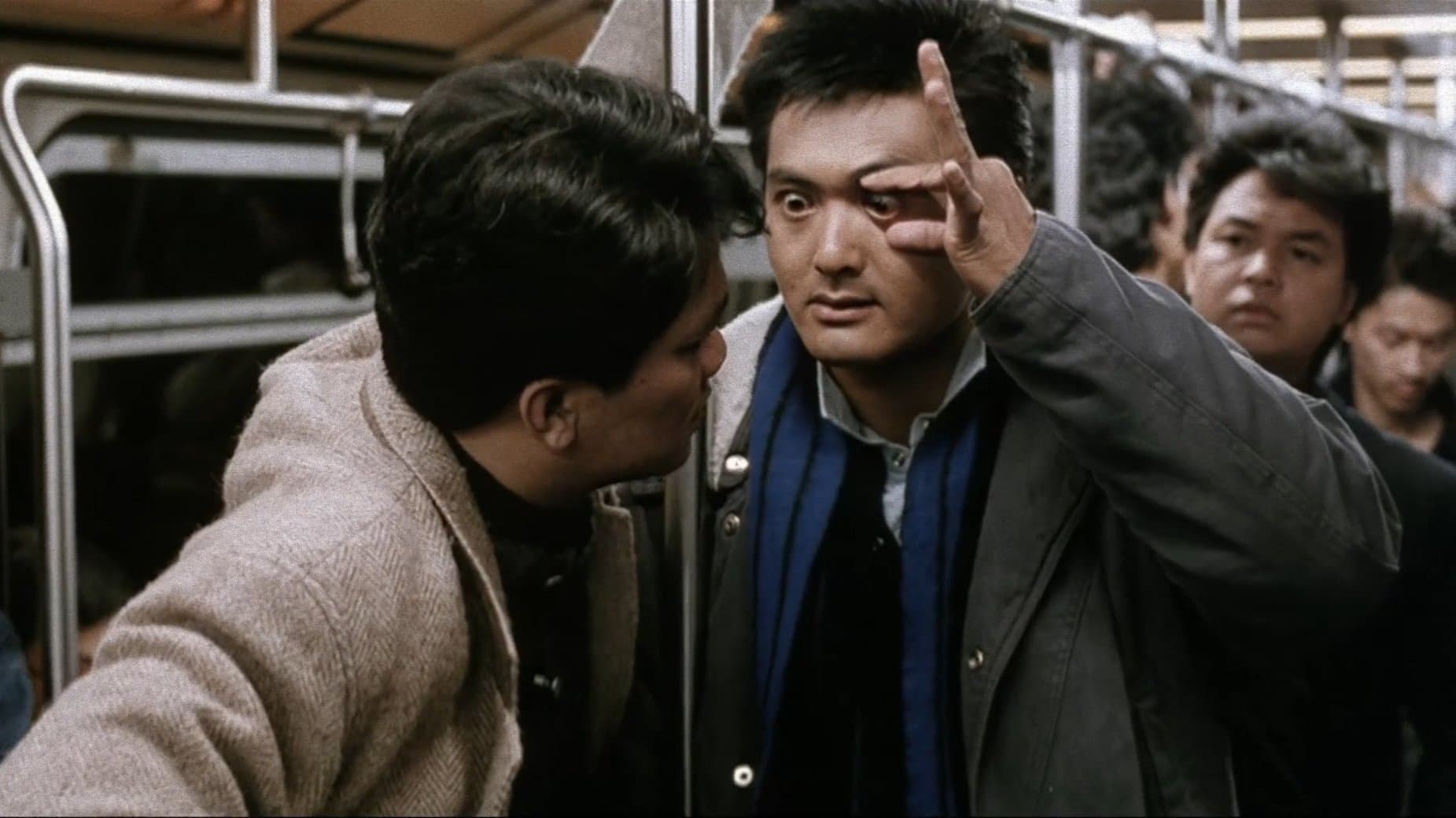
Featuring an introduction by Grady Hendrix, part of Criterion’s Spotlight series Raw, gritty, intensely angry visions of individuals pushed to the brink by a corrupt society, the films of Hong Kong action renegade Ringo Lam scorch the screen with an anarchic fury. His action classic City on Fire offered Chow Yun-fat one of his meatiest roles and inspired Quentin Tarantino’s Reservoir Dogs . With his further entries in the “On Fire” series and later triumphs like the propulsive handover-era thriller Full Alert , Lam doubled down on social criticism without stinting on the action, offering a searing portrait of systemic moral breakdown.
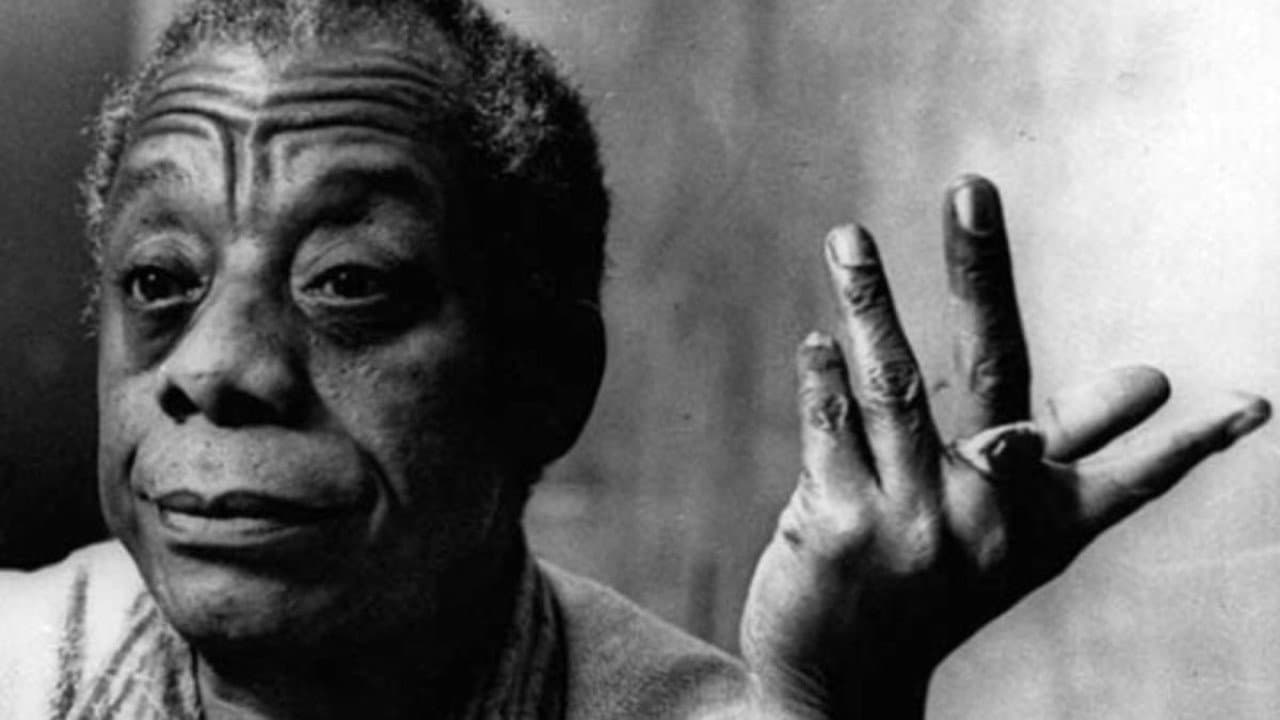
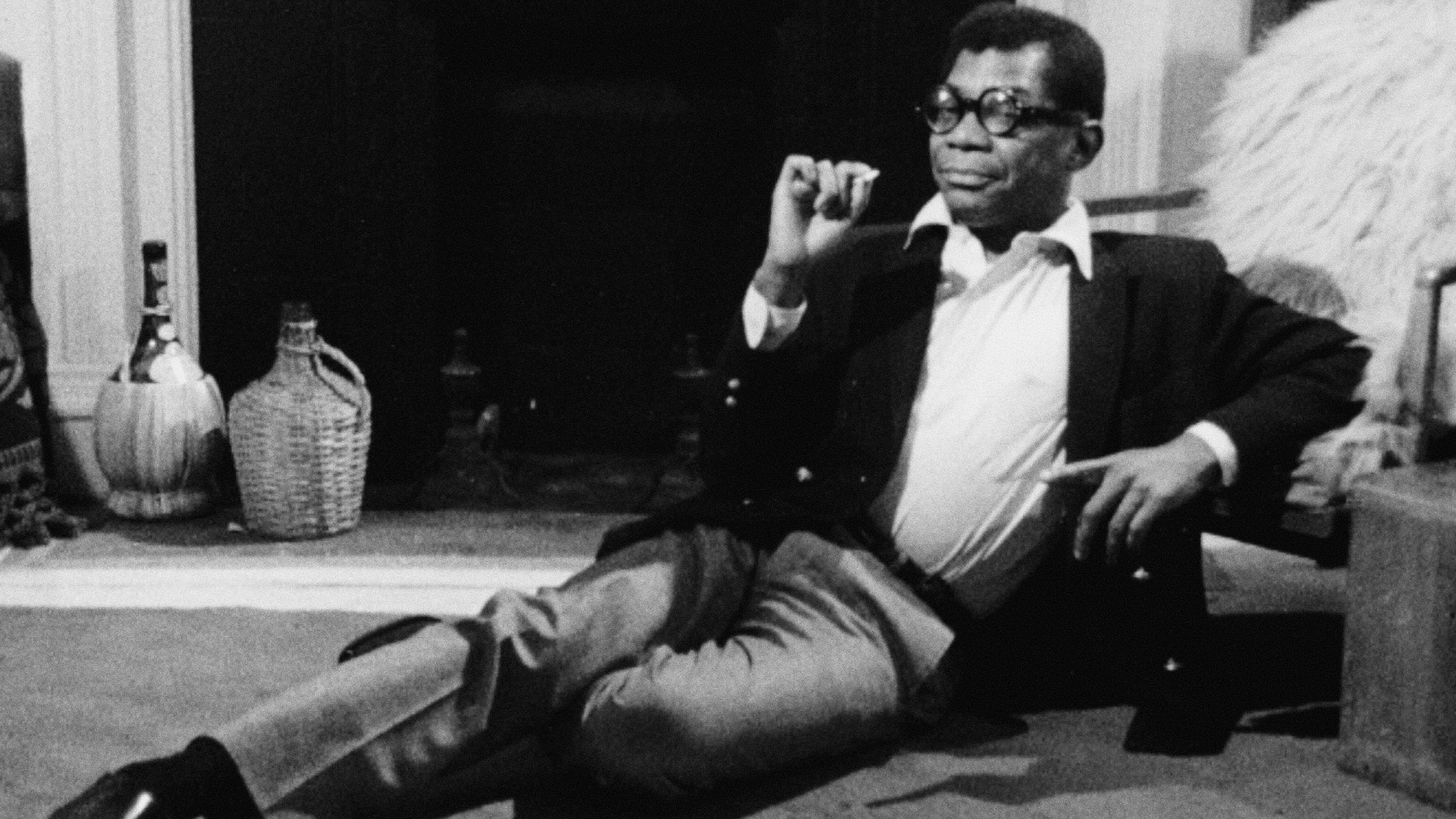
Towering literary lion, fierce social critic, and inimitable cultural icon James Baldwin opened up a new space for the frank discussion of race, sexuality, and identity in American society. He also left behind a dynamic cinematic legacy, as seen in these portraits that capture his electrifying presence and passionate eloquence. Across his screen appearances, Baldwin delivered a far-reaching commentary on everything from art to religion to love to liberation to his experiences as a queer Black man who lived much of his life abroad but who never stopped examining his own complex relationship to the United States.
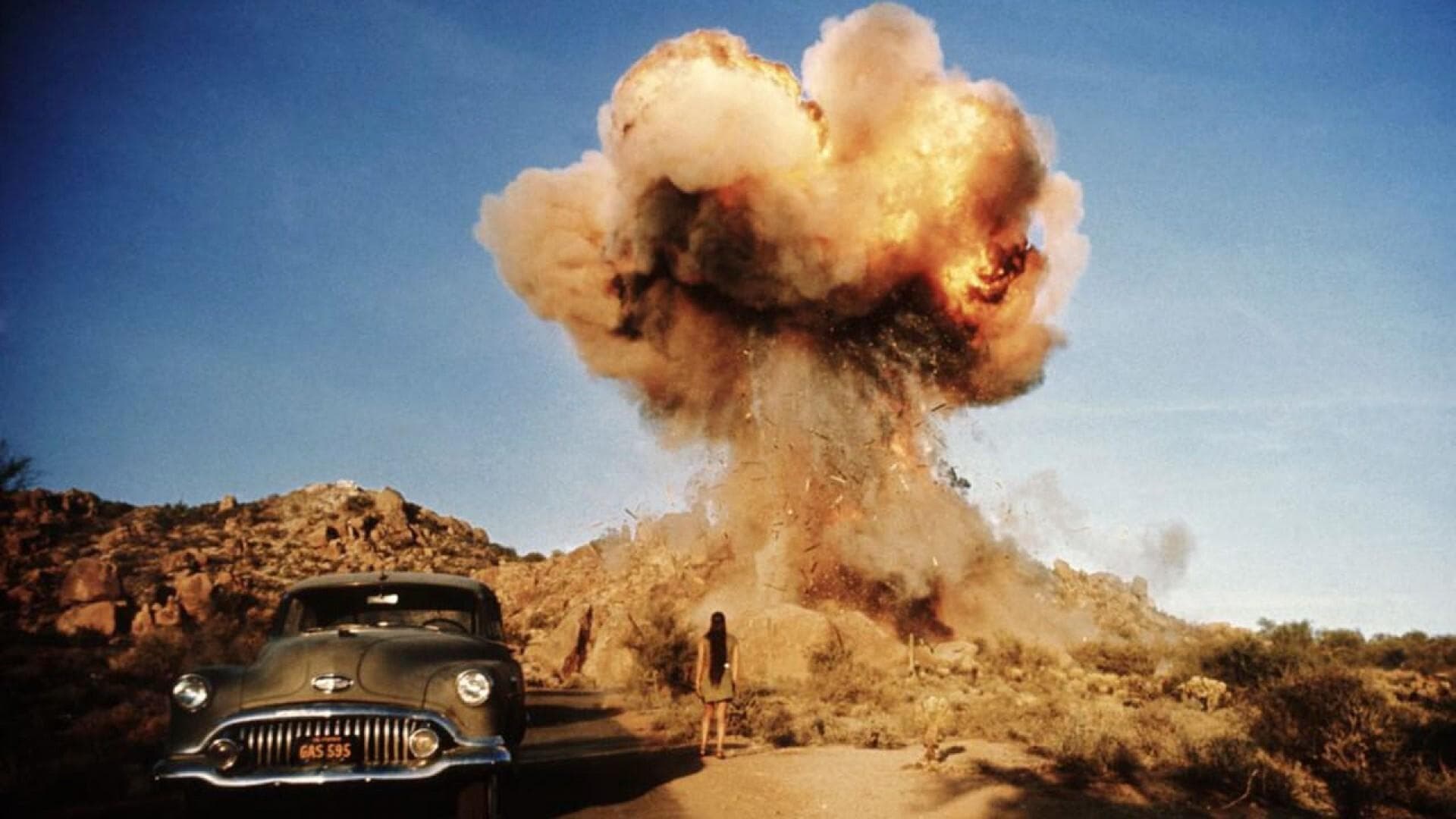
The vast, arid landscapes of the American Southwest become hallucinatory expanses of existential reckoning in these sun-blasted journeys into a harsh, unforgiving no-man’s land. From the counterculture disillusionment of Michelangelo Antonioni’s Zabriskie Point to the aching desolation of Wim Wenders’ Paris, Texas to the feverish romanticism of David Lynch’s Wild at Heart , these films turn scorched highways and otherworldly terrain into unforgettable projections of their characters’ inner worlds.
Set against the decaying grandeur of the American South, these sweltering sagas of family secrets, repressed desires, and twisted love are steeped in the region’s vibrant folklore and haunted history. Featuring adaptations of definitive southern writers like Tennessee Williams ( Baby Doll ) and Flannery O’Connor ( Wise Blood ), lurid chronicles of families in decline ( Written on the Wind , Eve’s Bayou ), terrifying thrillers built around crazed villains (Robert Mitchum in The Night of the Hunter and Cape Fear , as well as Robert De Niro in Martin Scorsese’s remake of the latter) and hothouse tales of simmering lust ( The Beguiled , The Paperboy ), this selection of southern-gothic greats abounds in the eccentric characters and eerie atmosphere that define the genre.
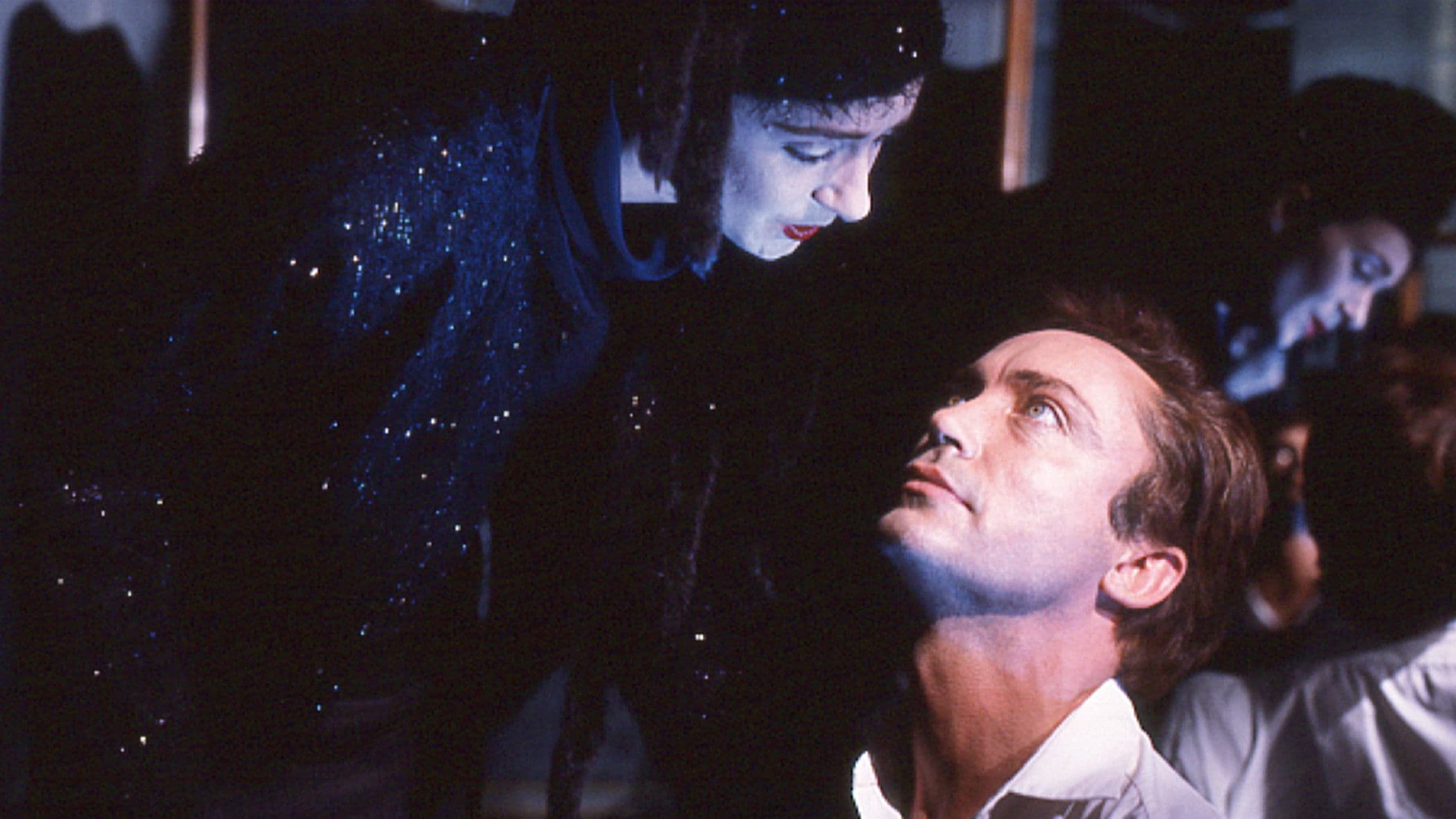
When rock stars get the Hollywood treatment, the result is often a lackluster re-creation of their career’s most famous highs and lows. But the best musical biopics do more than just cover their subjects’ greatest hits, adopting unconventional modes of storytelling that go deeper than mere mimicry. These films find visionary directors putting their imprints on the brilliant, often tumultuous lives of boundary-breaking musical icons: Ken Russell elevating one of the original celebrities of the classical world to the heights of glam-rock outrageousness in Lisztomania ; Susanna Nicchiarelli reckoning with the pain and regret that fame leaves in its wake in Nico, 1988; and Todd Haynes teasing out the enigmatic multiplicity of Bob Dylan by enlisting six different actors to portray…
The sultry, vivacious Cuban-born star Ninón Sevilla reigned as queen of the Mexican cine de rumberas , a genre that deliriously fused noir, melodrama, and musical spectacular. Sevilla lit up the screen playing fallen women caught between virtue and vice in films built around the kinetic, high-voltage dance numbers that she famously choreographed herself. This selection of some of her defining showcases—including hothouse masterpieces Aventurera and Victims of Sin —explodes with the fiery passion and intoxicating Afro-Cuban rhythms that made her an enduring icon of Mexican cinema’s golden age.
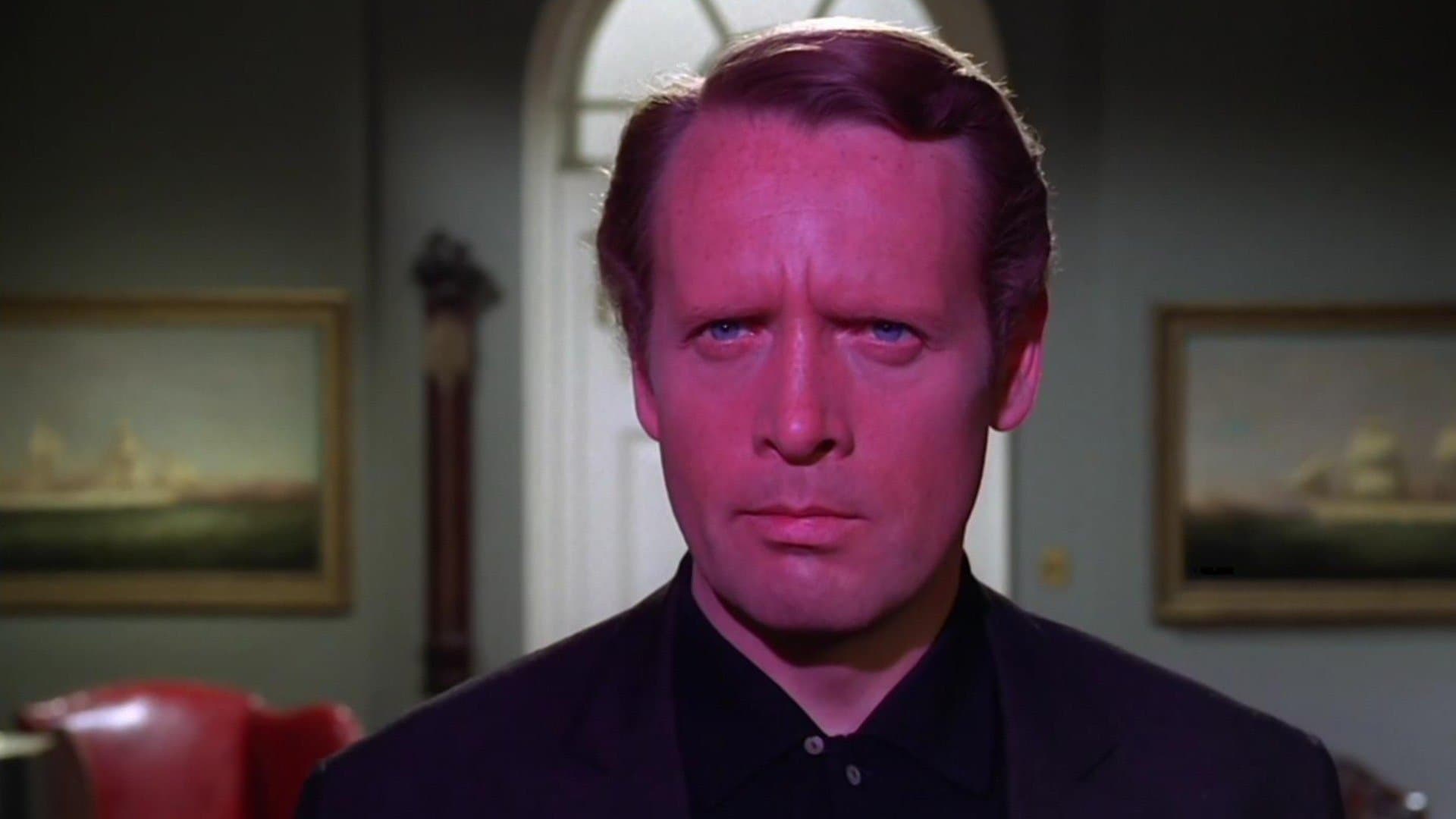
After resigning, a secret agent is abducted and taken to what looks like an idyllic village, but is really a bizarre Kafkaesque prison. His warders demand information. He gives them nothing, but only tries to escape.
Playful, absorbing, and deeply inquisitive, the films of Onyeka Igwe turn to the archives to challenge official narratives and excavate hidden histories. Whether tracing fragments of her own family history in the names have changed, including my own and truths have been altered , reimagining anticolonial activism in 1940s London in A Radical Duet , or conjuring the absent images of Britain’s colonial record in a so-called archive , Igwe’s work shifts inventively between documentary, narrative, and performance to bring the nearly forgotten past into dynamic dialogue with the present.
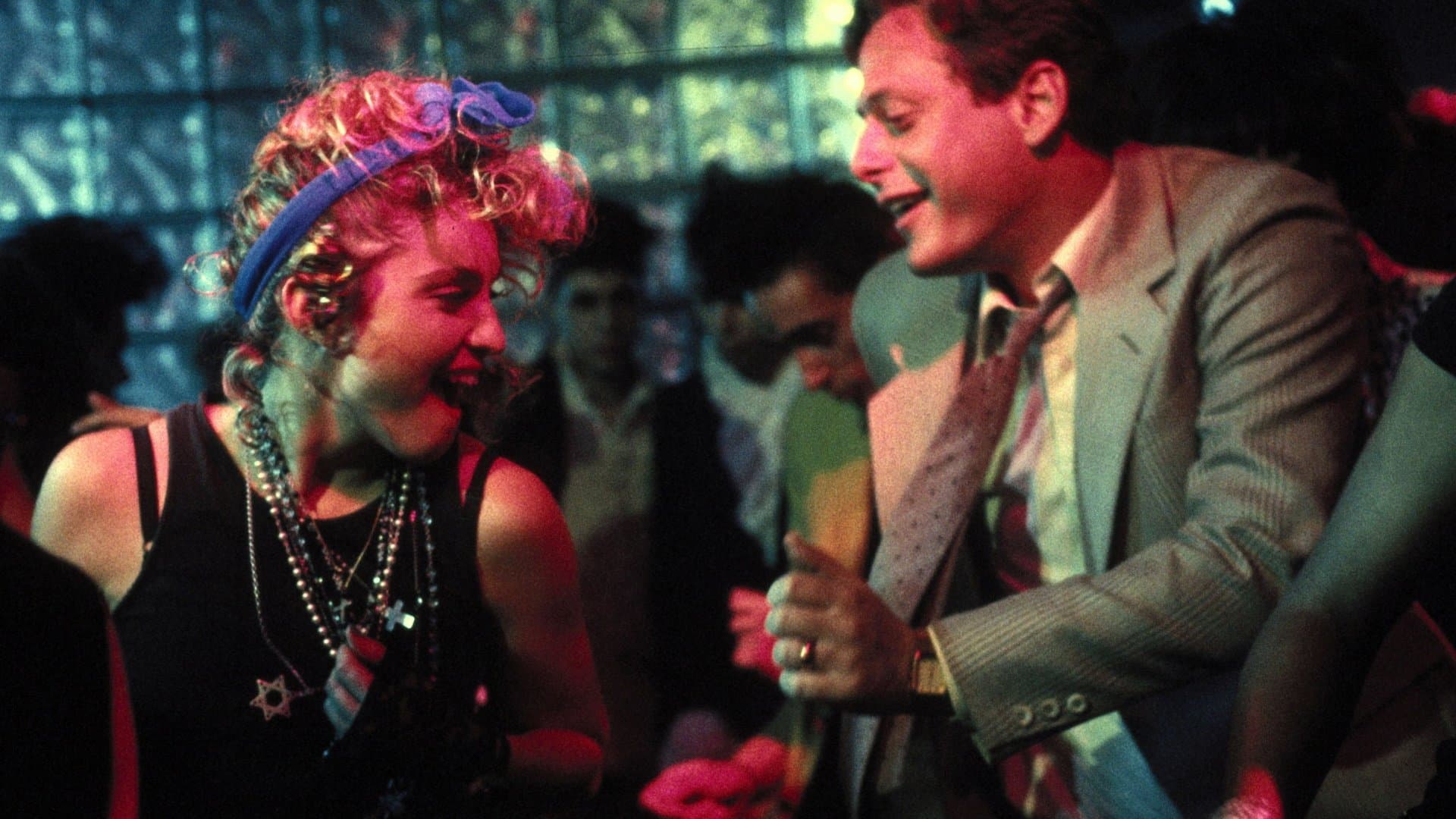
Jonathan Demme moved fluidly across genres while maintaining an unmistakably humanist sensibility, from the kinetic screwball anarchy of Something Wild and Married to the Mob to the restrained terror of The Silence of the Lambs to the overwhelming emotions of Rachel Getting Married . Animated by unforgettable characters in states of reinvention, his films overflow with warmth and affection for even the most damaged souls, as well as an easygoing grace that gave his extraordinary actors space to shine.
With his groundbreaking comics series Eightball and the acclaimed graphic novel Ghost World , Daniel Clowes brought the alternative-comics underground to mainstream recognition, channeling outsider alienation and an edgy humor steeped in the weirdo fringes of American pop culture. In this edition of Adventures in Moviegoing, he sits down with his friend Ari Aster to discuss the exploitation classics, counterculture oddities, and art-house touchstones that shaped his brilliantly cracked sensibility. The selections he has chosen to present include cult favorites like Peter Weir’s subversive thriller The Plumber and the jaw-dropping animated odyssey Journey to the Beginning of Time , films that have left a mark on his own work.
Now in its fifteenth year, the BlackStar Film Festival was established in 2012 to platform the voices of Black, Brown, and Indigenous artists who expand the possibilities of cinematic storytelling. Showcasing one film from each year of the festival’s history, this selection of highlights brings together dazzling, thematically rich features from major filmmakers like Andrew Dosunmu ( Restless City ), Blitz Bazawule ( The Burial of Kojo ), and Jessica Beshir ( Faya dayi ), as well as stunning shorts by acclaimed artists like Cauleen Smith ( The Changing Same ) and Ja’Tovia Gary ( An Ecstatic Experience ). From dreamlike journeys to urgent social thrillers, these films have helped shape a new generation of independent cinema.
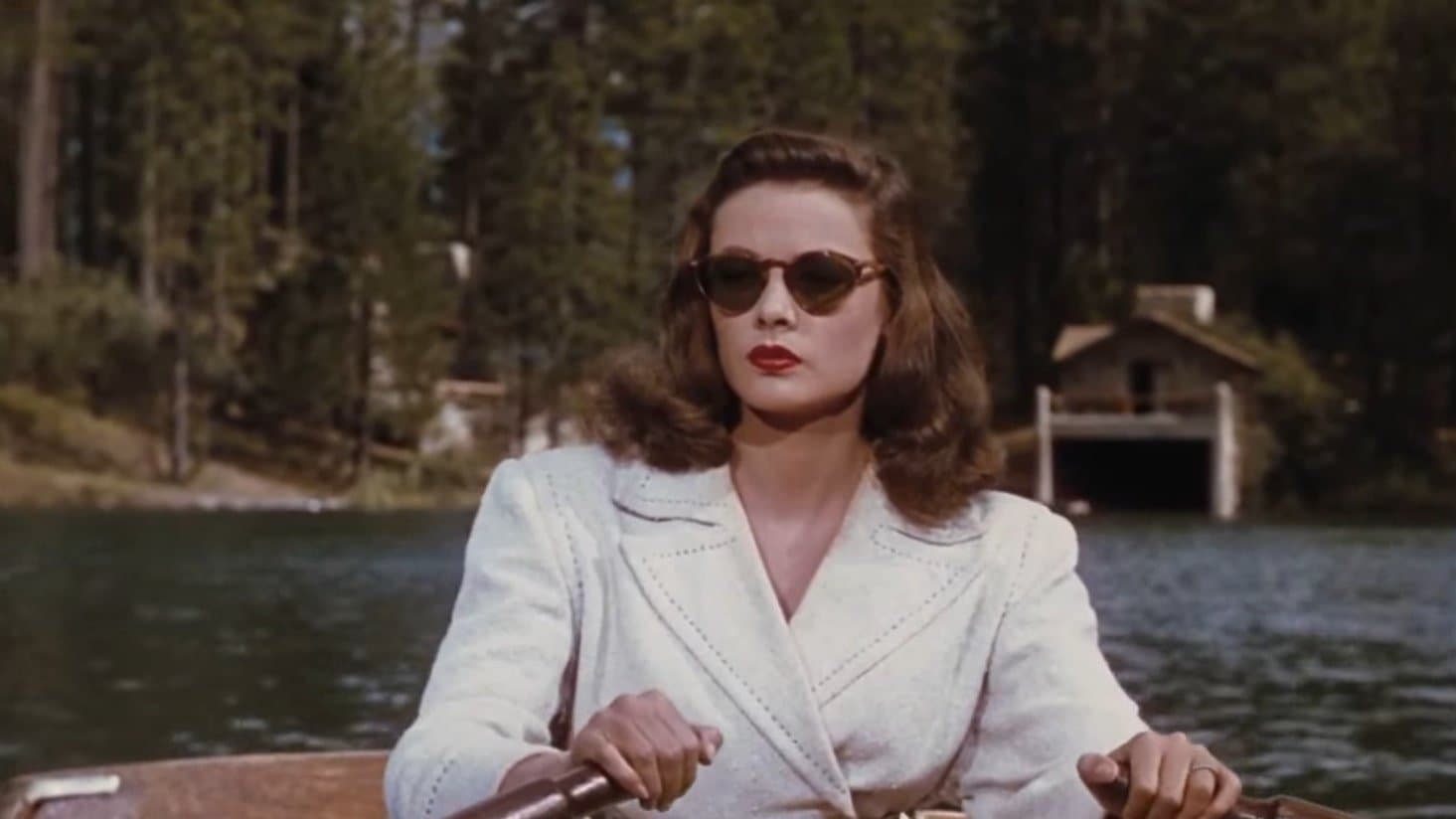
In its midcentury heyday, Hollywood melodrama wallowed in blazing Technicolor, operatic plot twists, gloriously bad behavior, and even foul play. These films’ surging emotions push their characters toward outright violence, infusing the women’s picture with noirish thrills. In the hands of masters such as Douglas Sirk (<em.Written on the Wind) and Vincente Minnelli ( Some Came Running ), melodrama became a vehicle for subversive critiques of American life, using stylization and excess to reveal the dark currents beneath a repressed, conformist society. Above all, the genre was a gift that kept giving to women stars like Joan Crawford, Marilyn Monroe, and Dorothy Malone, who sank their teeth into juicy parts that let them “do a little exploding,” as Mary Astor said of her role in the deliciously perverse <em.Desert Fury.
Featuring Harry Dean Stanton: Partly Fiction (2012), a documentary by Sophie Huber With his lean, hangdog face and sunken, soul-weary eyes, Harry Dean Stanton—born one hundred years ago this month—was one of the all-time great character actors. He inhabited the cinematic margins for more than six decades, imbuing his portrayals of drifters, down-and-outers, mystics, and all-American eccentrics with a singular gravity and offbeat charisma. From his indelible supporting turns in films like Cool Hand Luke , Straight Time , and Wise Blood to his breakthrough roles (in his late fifties) in Paris, Texas and Repo Man , Stanton remained a sui generis, unfailingly authentic presence whose merest glance or gesture hinted at profound existential depths.
Stories of self-discovery, self-acceptance, and the simple but radical, often dangerous act of just existing as a queer person are on display in these empathetic and innovative shorts, which reflect the wide spectrum of experiences that make up the LGBTQ+ rainbow.
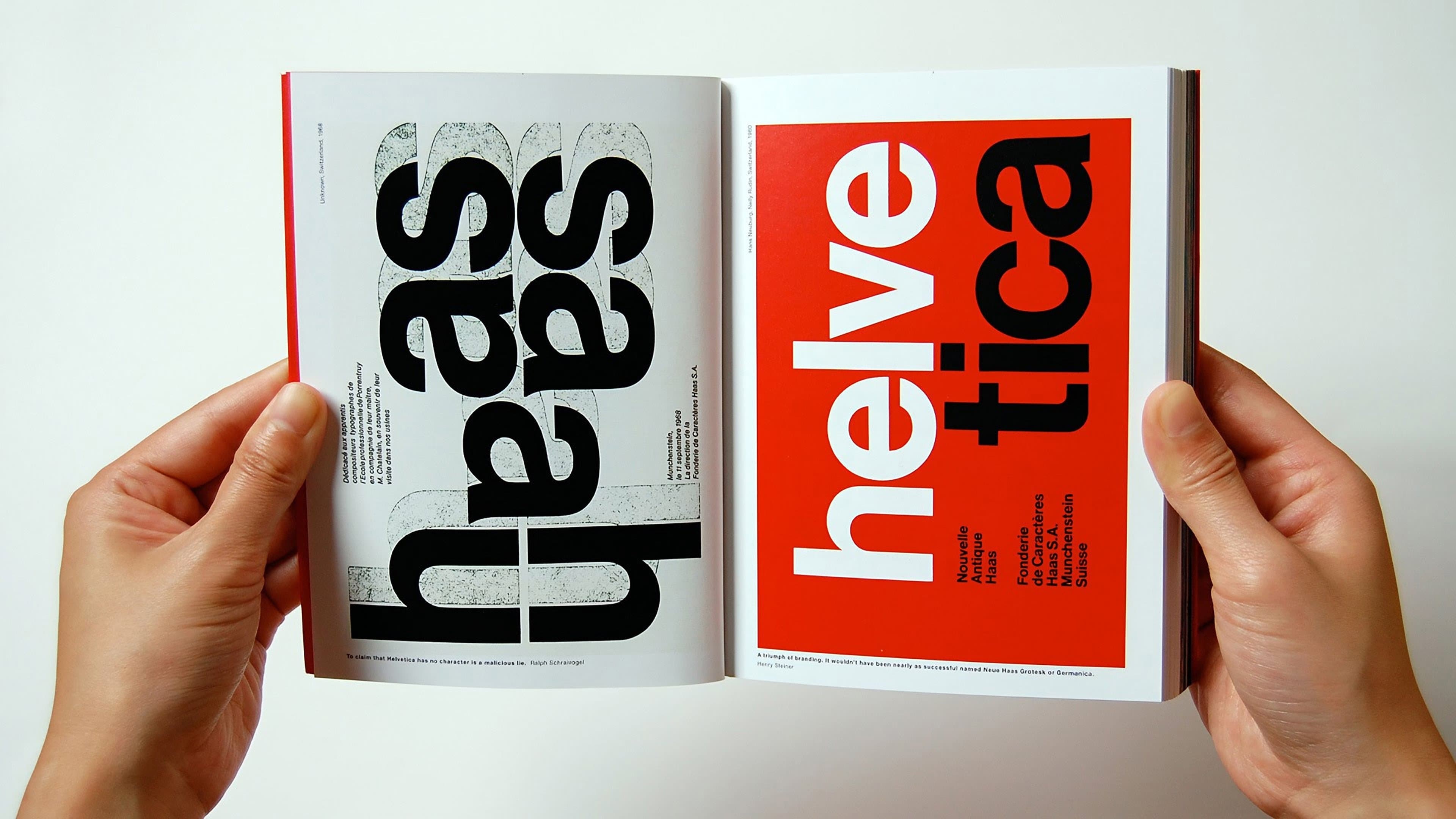
From the cities we live in to the products we use every day to the typefaces we communicate through, how do the subtle but impactful forces of design shape our lives? That’s the question at the heart of the illuminating documentaries of Gary Hustwit ( Eno ), who invites us to see the world around us with fresh eyes. Whether delving deep into the story behind one of the world’s most recognizable fonts ( Helvetica ) or breaking down the complex art of urban planning ( Urbanized ), Hustwit’s films reveal the often hidden connections between design, psychology, and human behavior.
Among the most singular, miraculous bodies of work in all of cinema, the films of French auteur Eric Rohmer constitute a genre unto themselves. Gently existential, hyperarticulate character studies set against vivid seasonal landscapes, these dialogue-driven yet gracefully cinematic films probe universal moral questions about love, desire, and the intricacies of connection with wry humor and an invitingly relaxed naturalism. From the wintry philosophical parable My Night at Maud’s to the sublime summertime melancholy of The Green Ray to the autumnal emotional maturity of Love in the Afternoon , his work is evergreen in its piercing insight into human contradiction and folly.
A patron saint of punk cinema and borderless storytelling, Alex Cox remains one of the greatest subversives to ever pick up a camera, a rebel auteur who blends gonzo surrealism, anarchic irreverence, and blistering anticapitalist and anti-imperialist critique. From the radioactive deadpan of the sci-fi comedy Repo Man to the hallucinatory fever dream of his audacious biopic Walker , his films burn with a restless outsider energy, while smuggling politics, poetry, and outré humor into every frame.
With Criterion Editions of Hairspray and Desperate Living coming to home video this month, there’s no better time to watch the Pope of Trash discuss his formative moviegoing memories and introduce a selection of favorites.
Proud, rebellious, colorful, intimate, and frank, these essential visions of LGBTQ+ life find boundary-pushing filmmakers turning the richness of the queer experience into indelible art. From taboo-shattering art-house classics to defining works of the 1990s New Queer Cinema explosion to contemporary showstoppers from emerging talents, these films represent just a sample of the wide world of queer cinema, but they offer a taste of its breadth, creativity, and defiance in the face of adversity.
With wedding season upon us, take a walk down the aisle of some of cinema’s most unforgettable nuptials. Focusing on the lead-up to and spectacle of the big day itself, these films dramatize the often-conflicting dreams, desires, and fears that bring two people together before the altar, with directors like Sofia Coppola ( Marie Antoinette ), Jonathan Demme ( Rachel Getting Married ), and Lars von Trier ( Melancholia ) examining the emotional ambivalence and intersecting familial expectations surrounding the main event. Replete with will-they-won’t-they romantic tension, simmering family drama, and extravagant mise-en-scène, these films look past the pageantry to reveal the fractures that underpin the promise of “happily ever after.”
A performer of rare volatility and range, Courtney Love brings a feral intelligence and bruised glamour to the screen, meriting a place in cinematic culture alongside her hallowed stature in music. In films, Love is not merely an icon crossing mediums; her work with auteurs like Alex Cox ( Straight to Hell ), Julian Schnabel ( Basquiat ), and Miloš Forman ( The People vs. Larry Flynt ) reveals a deeply intuitive actor with an instinct for showcasing contradictory impulses: tenderness edged with danger, charisma undercut by disarming rawness. Messy, magnetic, and defiantly alive, Love’s is a screen presence that resists containment.
The road of return is studded with adventure, discovery, and surprise in these tales of epic quests that draw on one of literature’s most enduring narrative archetypes: the journey back home. Whether traversing the hardscrabble highways of Depression-era America ( Sullivan’s Travels ; O Brother, Where Art Thou? ), the surreal labyrinth of New York City after dark ( After Hours ), or the elemental wilderness of the frontier ( The Searchers , Walkabout ), these by turns tragic, comic, mythic, and deeply personal tales of wanderers and seekers tap into the fundamental human yearning to find our way back to where we belong. Coprogrammed by Sean Fennessey
The visually mesmerizing and deeply reflective films of Kimi Takesue traverse genres—including documentary, fiction, and experimental forms—to explore the charged spaces between observer and observed. Often centered on the act of travel, Takesue’s work follows tourists and locals as they navigate shared yet unequal terrain. In evocative shorts and acclaimed features like Where Are You Taking Me? , 95 and 6 to Go , and Onlookers , she turns an unblinking lens on cross-cultural encounters, revealing the subtle tensions, curiosities, and power dynamics that shape how we see and are seen across differences. Through her immersive long takes, Takesue invites audiences into moments of intimacy and unease that continually challenge our assumptions.
Born from a period of intense political upheaval, these radical Caribbean films spotlight vital stories of workers’ movements, decolonial struggle, and liberation from economic exploitation and violent oppression. Including urgent, on-the-ground accounts of revolutionary movements ( Haiti: The Way to Freedom , Grenada: The Future Coming Towards Us ), dynamic portraits of women on the frontlines of resistance ( Women of Suriname , Sweet Sugar Rage ), and a one-of-a-kind diasporic musical revue ( West Indies: The Fugitive Slaves of Liberty ), they blend agitprop and grassroots pedagogy with living folk traditions to forge a collective counter-cinema built around the fight for freedom. Guest-curated by Jonathan Ali of Third Horizon Film Festival, who presented a version of this program entitled You Don’t Get Freedom, You Take Freedom: Caribbean Activist Cinema 1978–1985 at THFF in 2025.
As a writer-director, producer, and creator of The Sopranos , David Chase has left an indelible imprint on popular culture, revolutionizing the art of television by bringing a boldly cinematic sensibility to the small screen. In this edition of Adventures in Moviegoing, he sits down with crime-fiction author Megan Abbott to discuss his formative cinematic experiences—from his early memories of the classic gangster movies that would influence his work to the filmmaker he considers his “first director crush”—as well as the selection of favorites he has chosen to present, including a jazz-inflected crime thriller by Louis Malle ( Elevator to the Gallows ) and a freewheeling Italian road comedy ( Il sorpasso ).
Beginning in the 1930s, the ever-growing number of working women inspired a new type of romantic comedy, where meet-cutes come amid desks and typewriters, and the course of true love is entangled with office politics and professional rivalry. The genre was tailor-made for stars like Jean Arthur, Katharine Hepburn, and Rosalind Russell who could dazzle with brainy repartee and make competence sexy. Elements of these films may be quaintly transgressive (boozy office parties! bosses dating their secretaries!), but they also tackle still-timely topics—work-life balance ( His Girl Friday ), gender equality ( Woman of the Year ), and even fears of jobs being eliminated by computers ( Desk Set )—with crackling comic irreverence, finding laughter and romance in the nine-to-five.
As a new generation of movie-mad directors emerged in the 1980s, they drew direct inspiration from the films they grew up watching and obsessing over. The result was a striking run of idiosyncratic Reagan-era remakes in which filmmakers such as John Carpenter (turning the Cold War sci-fi classic The Thing from Another World into a glacial descent into existential terror), Paul Schrader (transforming the shadowy horror landmark Cat People into a hypnotic vision of erotic obsession), and Jim McBride (reimagining Jean-Luc Godard’s French New Wave bombshell Breathless as a neon-soaked rock ’n’ roll reverie) breathed new life into familiar stories. Viewed side by side, these films reveal a decade in provocative dialogue with the past, infusing timeless originals with the aesthetics, politics, and cultural permissiveness of a new era.
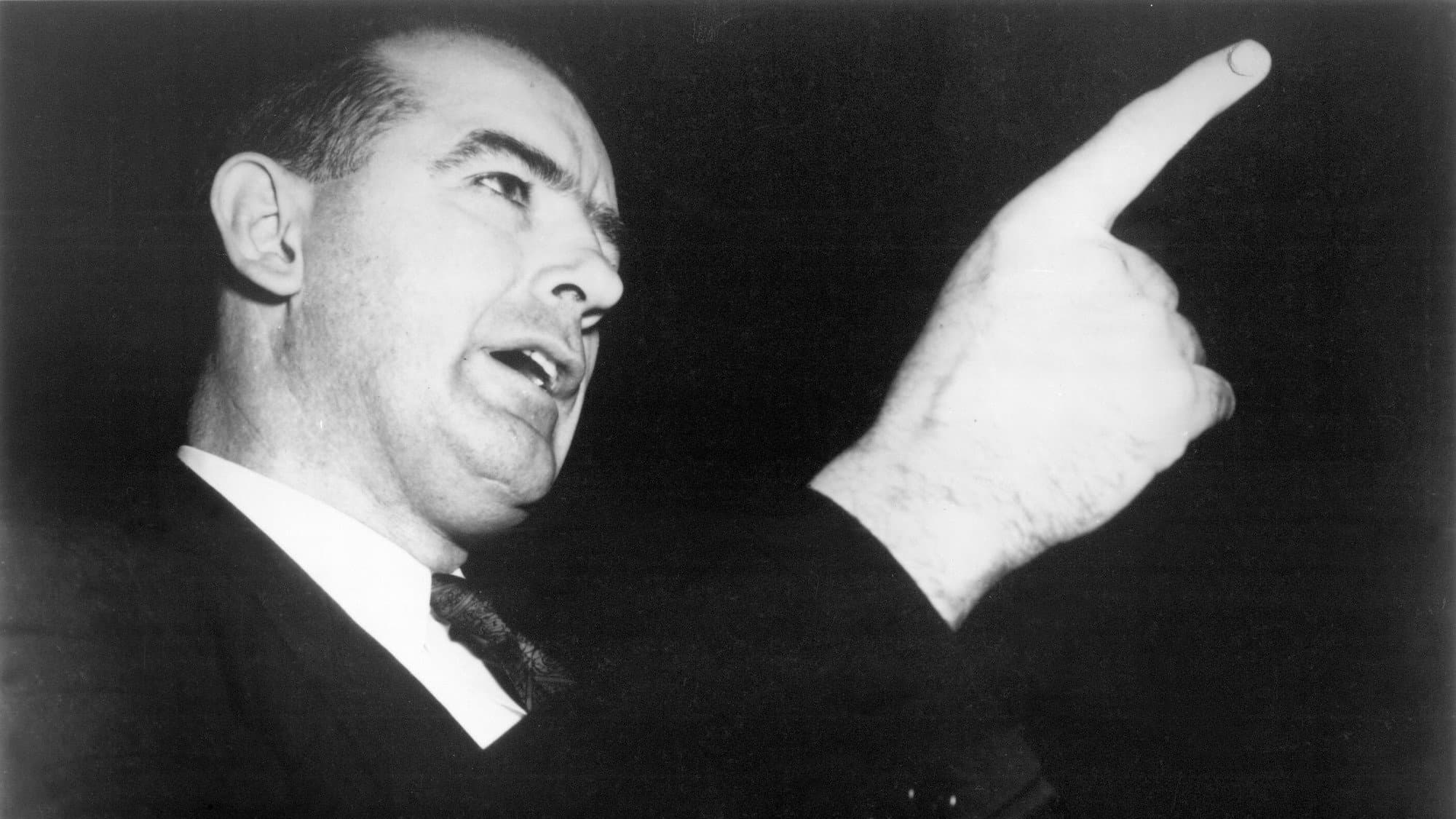
A self-described “Marxist among capitalists,” documentarian Emile de Antonio wielded the camera as a weapon in his fight against America’s corrupt power structures and the Cold War establishment elite. Unabashedly aligning himself with the leftist movements of the 1960s and ’70s in contrast to the “objective” style of the then-dominant cinema verité movement, he made his films with raw, blunt force, deploying impactfully edited archival footage to examine everything from the assassination of John F. Kennedy ( Rush to Judgment ) to the horror of America’s war in Vietnam ( In the Year of the Pig ) to the radical ideology of the Weather Underground ( Underground ). Stark, uncompromising, and timely, de Antonio’s films question everything, digging into official narratives to reveal the hidden agendas and systemic rot lurking below.
Formalized in 1989 to foster a new wave of Sudanese filmmaking free from censorship, the Sudanese Film Group sought to create a distinctly homegrown cinema that reflected the experiences of ordinary people and challenged entrenched systems of power in a country shaped by decades of colonialism, civil war, and political instability. Formally radical and thematically incisive, these short films by founding members Eltayeb Mahdi, Ibrahim Shaddad, and Suliman Mohamed Ibrahim Elnour employ a cinematic grammar all their own to confront issues of economic exploitation, imperialism, the abuse of power, and postcolonial disillusionment. Though the group’s ambitions were soon thwarted by the dictatorship of Omar al-Bashir, the films they left behind are a powerful assertion of creative independence and cinema as…
Through a mix of razor-sharp realism and pitch-black humor, the films of the Romanian New Wave turn everyday dilemmas into gripping moral dramas. Provocatively merging the personal and the political, leading directors like Cristi Puiu ( The Death of Mr. Lazarescu ), Corneliu Porumboiu ( 12:08 East of Bucharest ), and Cristian Mungiu ( 4 Months, 3 Weeks and 2 Days ) confront the legacy of Communism and the messy transition that followed Nicolae Ceaușescu’s authoritarian regime, revealing the lingering bureaucratic absurdities and indignities that continue to shape day-to-day life and its endless ethical choices. Made with modest means but unmistakable assuredness, these powerful, unsparing works are models of minimalist filmmaking at its most urgent and alive.
Boundary-breaking filmmakers reclaim their stories with these richly varied looks at the trans experience. Long misrepresented on-screen through disreputable and actively harmful images, trans characters have come into focus thanks to a pioneering generation of trans directors determined to capture their lives with nuance and hard-won insight. Curated by Caden Mark Gardner and Willow Catelyn Maclay, authors of the book Corpses, Fools, and Monsters: The History and Future of Transness in Cinema , these revealing counterhistories of cultural trailblazers ( Rupert Remembers , No Ordinary Man ), intersectional portraits of everyday survival ( Drunktown’s Finest , Lingua Franca ), and bold explorations of identity in the online age ( We’re All Going to the World’s Fair , Castration Movie Anthology i. Traps ) show that there is no single, common trans film image but rather a kaleidoscope of voices, forms, and lived realities.
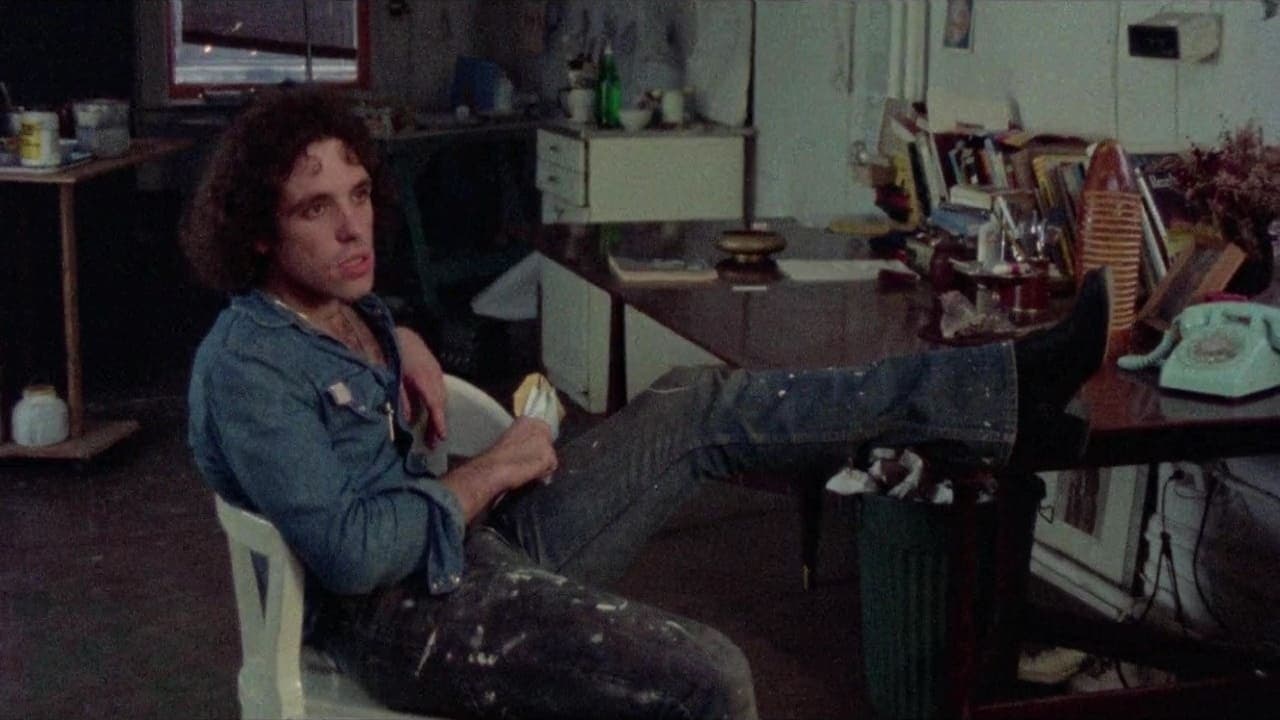
Following her blistering debut feature, Yeast (featuring a breakthrough performance by a young Greta Gerwig), Mary Bronstein directed Rose Byrne to an Academy Award nomination in her emotionally stunning maternal maelstrom If I Had Legs I’d Kick You . In this edition of Adventures in Moviegoing, Bronstein sits down with Aliza Ma, head of programming for the Criterion Channel, to talk about her love of movies, from her early infatuation with Hollywood legends like Natalie Wood and Marilyn Monroe, whose blend of star power and fragility fascinated her, to discovering the possibilities of indie filmmaking through directors such as Richard Linklater and Todd Solondz. The films she has chosen to present—including Shirley Clarke’s vérité landmark Portrait of Jason , George A. Romero’s horror bombshell Night of the Living Dead , and Susan Seidelman’s punk classic Smithereens —reflect the same uncompromising DIY ethos she has brought to her own work.
Though his piercing blue eyes and tousled hair made him a defining sex symbol of swinging-sixties Britain, Terence Stamp was more than just a pretty face—he was a transfixing screen presence who brought an unmatched elegance, restraint, and existential gravity to works by some of the defining directors of the twentieth century. His brooding intensity and enigmatic, sometimes sinister ambiguity are on display in this selection of career highlights, which include his celebrated performances for Italian auteurs Pier Paolo Pasolini ( Teorema ) and Federico Fellini ( Toby Dammit ) from his ’60s heyday as well as later triumphs in acclaimed crime dramas by Steven Soderbergh ( The Limey ) and Stephen Frears ( The Hit ).
The exquisitely textured, sensorially immersive films of Chinese Canadian artist and filmmaker Jess X. Snow are works of immense heart and healing, opening up a compassionate, imaginative dreamspace in which queer Asian American characters seek liberation from social and familial trauma through everything from the transformative power of drag to the supernatural experiences of teleportation and spiritual release. Suffused with gorgeous light, color, and stirring magical-realist images, Snow’s films honor the struggle and courage it takes to live authentically.
Growing up in New York City as the son of two writers, director Noah Baumbach had a unique exposure to a wide range of cinema—from classic swashbucklers to French New Wave masterpieces—from an early age. In this edition of Adventures in Moviegoing, the Jay Kelly director sits down with Criterion president Peter Becker to discuss those formative cinematic experiences. The films he has chosen to present include graceful comedies from Ernst Lubitsch ( To Be or Not to Be ) and Jacques Tati ( Monsieur Hulot’s Holiday ) as well as exquisitely subtle, humanistic marriage stories from Yasujiro Ozu ( The Flavor of Green Tea over Rice ) and Satyajit Ray ( Charulata ).
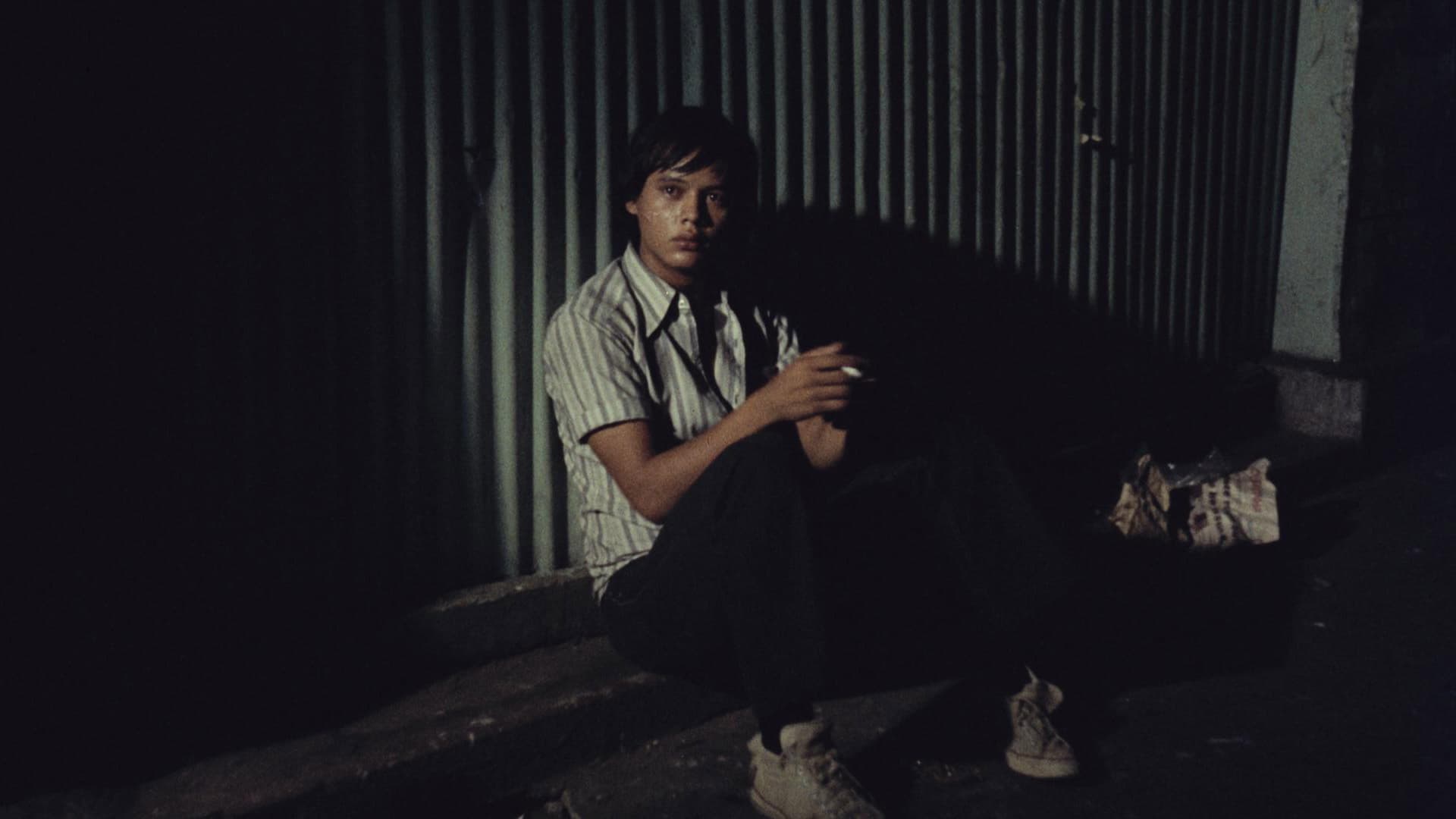
Featuring Babenco: Tell Me When I Die , a documentary by Bárbara Paz Outlaws and outcasts populate the films of Argentine Brazilian director Héctor Babenco, an artist of rare empathy born eighty years ago this month. First finding success (and notoriety) in Brazil with his incendiary thriller Lúcio Flávio —the true story of an infamous bandit that doubles as a potent critique of police corruption—he went on to achieve international acclaim with his neorealist bombshell Pixote , a harrowing descent into Brazil’s criminal underworld as seen through the eyes of a young street boy, and the subversive Manuel Puig adaptation Kiss of the Spider Woman , a taboo-shattering exploration of masculinity and sexuality starring Raul Julia and an Academy Award–winning William Hurt. Moving between gritty authenticity, operatic melodrama, and flourishes of feverish surrealism, Babenco’s films stand as works of indelible courage and compassion.
William Klein’s explosive New York street photography made him one of the most heralded artists of the sixties. As an American expatriate in Paris, Klein also made bold, challenging cinema in a filmmaking career that spanned more than forty years. In his three colorful, surreal fiction features— Who Are You, Polly Maggoo? , Mr. Freedom , and The Model Couple —he skewers the fashion industry, American empire, and governmental mind control with hilarious, cutting aplomb, while his essential documentaries Muhammad Ali, the Greatest and Eldridge Cleaver, Black Panther capture two of the most galvanizing personalities of his time with electrifying immediacy. Still largely overlooked in the United States, his films are audacious, iconoclastic antidotes to all forms of social oppression.
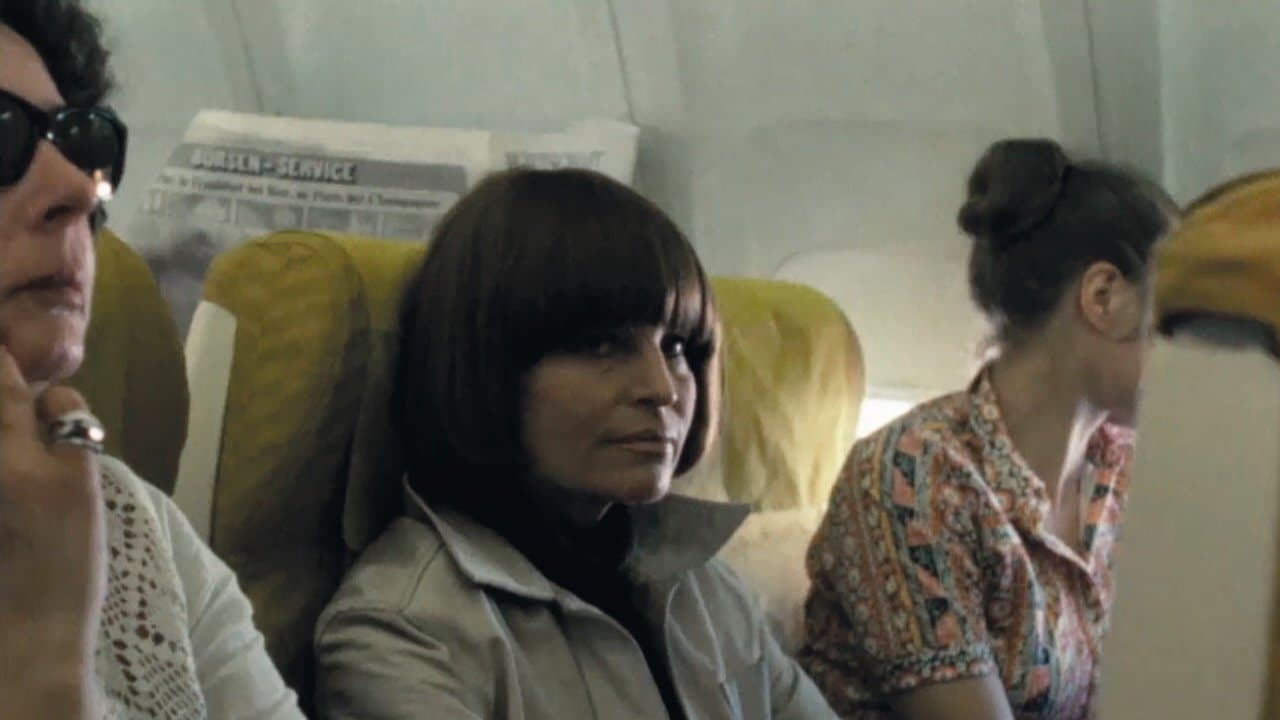
Uniquely unguarded glimpses of some of the twentieth century’s most captivating personalities, these probing portraits of legendary actresses unfold as intimate exchanges between director and subject, offering rare behind-the-scenes access to their inner worlds. Capturing vulnerable, unpredictable, and reflective moments with pop-culture supernovas like Eartha Kitt ( All by Myself: The Eartha Kitt Story ) and Romy Schneider ( Romy: Anatomy of a Face ) as well as underground legends like Factory scene icon Tally Brown ( Tally Brown, New York ), these candid documentaries look beyond industry-manufactured glamour to reveal deeper truths with genuine empathy and curiosity. Programmed by Melissa Anderson
A singular, iconoclastic artist, Robert Bresson left behind an astonishing body of work, defined by the search for what he called “not beautiful images, but necessary images.” In a long, visionary career that began in the 1940s and ended in the 1980s, he continually refined the strict precision of his famously ascetic style—abolishing psychology, professional actors, and ornate camera work, and instead concentrating on the exactingly choreographed movements of his “models” (as he called his performers) and the anguished solitude of his martyred characters. In indelible visions of suffering and salvation like Pickpocket , Au hasard Balthazar , Four Nights of a Dreamer , and The Devil, Probably , he stripped cinema to its essence to reveal nothing less than the very soul of his subjects.
The story of Black Americans is, in many ways, the story of America itself. Though the African American experience has long been relegated to the margins of the big screen, a vital cinematic legacy endures thanks to the work of pioneers like Oscar Micheaux ( Within Our Gates ), Charles Burnett ( Killer of Sheep ), Jessie Maple ( Will ), Madeline Anderson ( I Am Somebody ), and Kathleen Collins ( Losing Ground ), as well as bracing contemporary voices like Adepero Oduye ( To Be Free ). Their stories of revolution, resistance, creativity, community, and everyday endurance offer a multifaceted vision of Black American identity across generations.
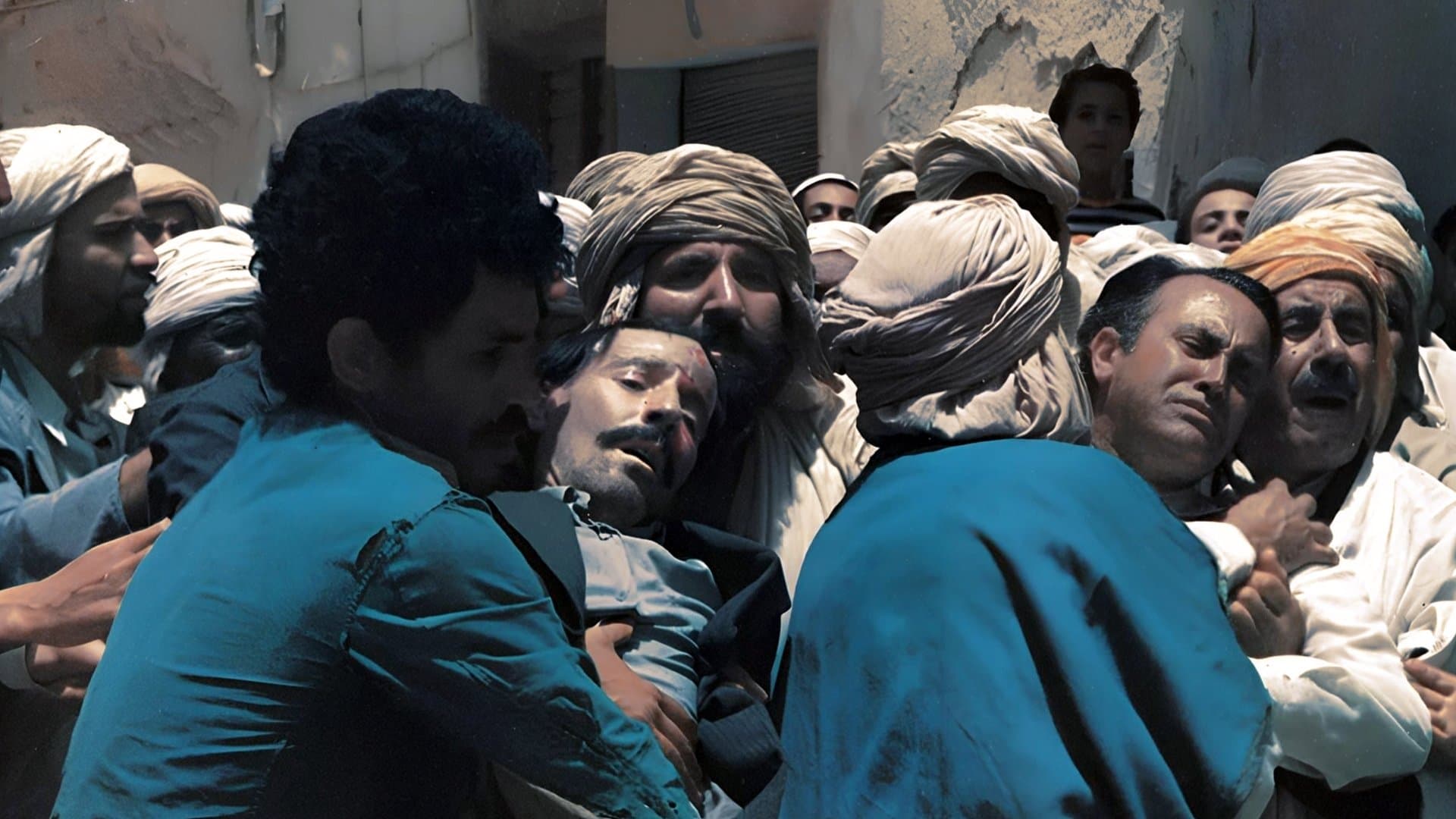
Featuring introductions to each of the films by Scorsese Restored by The Film Foundation’s World Cinema Project, these rediscovered classics from around the world include awe-inspiring epics from Algeria ( Chronicle of the Years of Fire ) and Kazakhstan ( The Fall of Otrar ), an enchanting Indian fable ( Kummatty ), and a profound family portrait from Burkina Faso ( Yam daabo ).
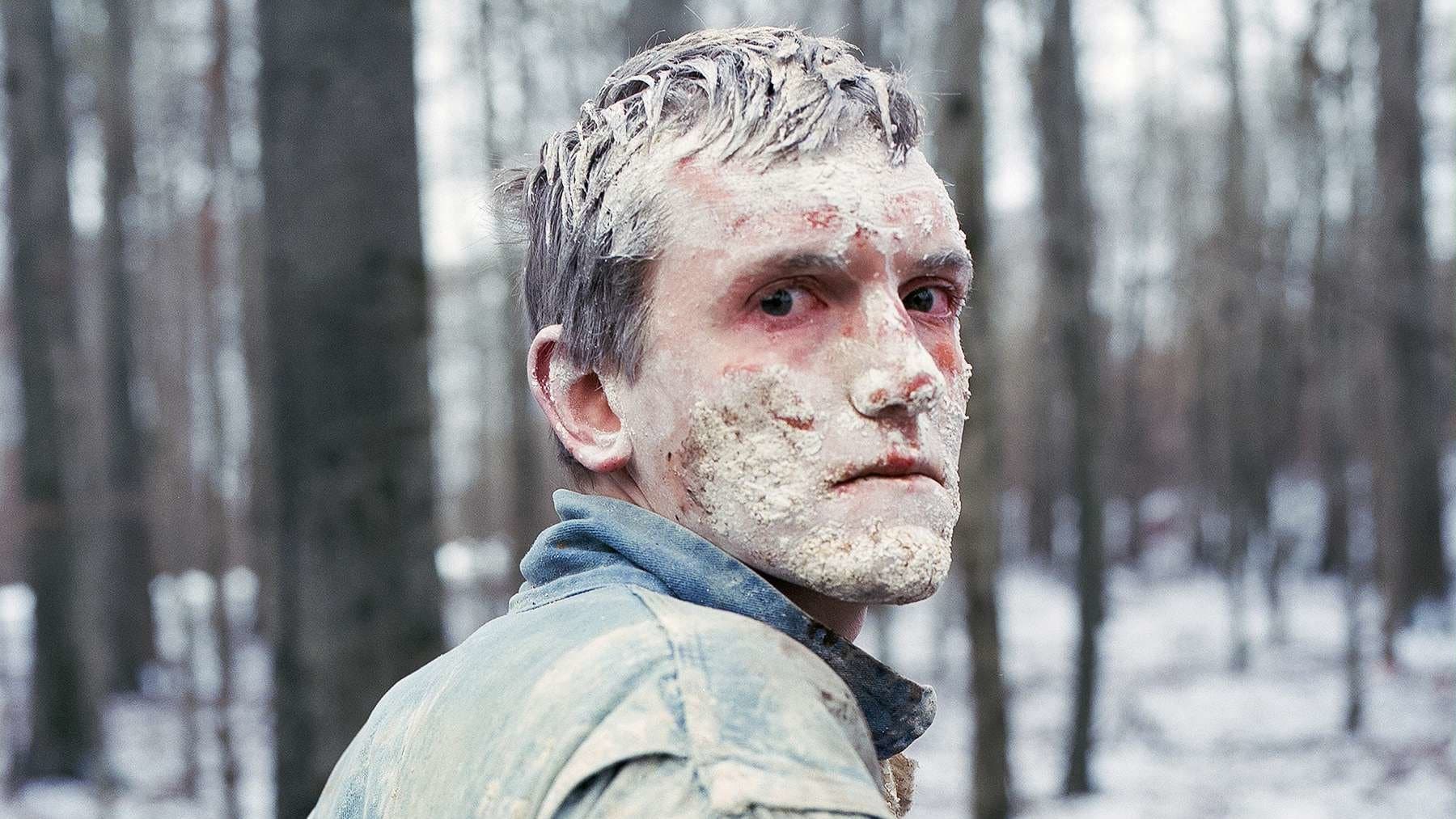
Featuring an interview with Pálmason, part of Criterion’s Meet the Filmmakers series The expansive, wintry landscapes of rural Iceland and Denmark provide the majestic physical and psychological backdrops to the breathtaking films of director Hlynur Pálmason, whose acclaimed latest, The Love That Remains , comes to theaters in January. Whether capturing the rift that forms between two brothers working in an isolated limestone quarry in his intense feature debut Winter Brothers or the arduous journey of a Danish priest across nineteenth-century Iceland in his painterly epic Godland , Pálmason’s films employ a sensorially rich visual lyricism to probe profound questions of faith, masculinity, time’s passage, and the human relationship to nature.
Ever since her daring debut feature, the fearlessly transgressive S&M exploration Seduction: The Cruel Woman , Monika Treut has been at the forefront of queer cinema, illuminating LGBTQ+ lives with subversive wit, uncompromising honesty, and compassionate insight. Fiercely controversial in her native Germany—where the newspaper Die Zeit once proclaimed that “films like Monika Treut’s are destroying cinema”—Treut found wider acceptance in the burgeoning queer film-festival and American independent-cinema scenes, leading to decades-long collaborations with queer trailblazers like trans poet Max Wolf Valerio ( Max ) and “post-porn modernist” Annie Sprinkle (Female Misbehavior). Spanning narrative ( Virgin Machine , My Father Is Coming ) and documentary ( Didn’t Do It for Love , Gendernauts: A Journey Through Shifting Identities ) modes, these films are taboo-shattering, playfully intelligent explorations of sex and gender that defy repressive cultural norms to shed light on the often-hidden arcs of queer twentieth-century history.
Featuring a new introduction by author Grady Hendrix, part of Criterion’s Spotlight series Raw, gritty, intensely angry visions of individuals pushed to the brink by a corrupt society, the films of Hong Kong action renegade Ringo Lam scorch the screen with an anarchic fury. His action classic City on Fire offered Chow Yun-fat one of his meatiest roles and inspired Quentin Tarantino’s Reservoir Dogs . With his further entries in the “On Fire” series, Lam doubled down on social criticism without stinting on the action, offering a searing portrait of systemic moral breakdown.
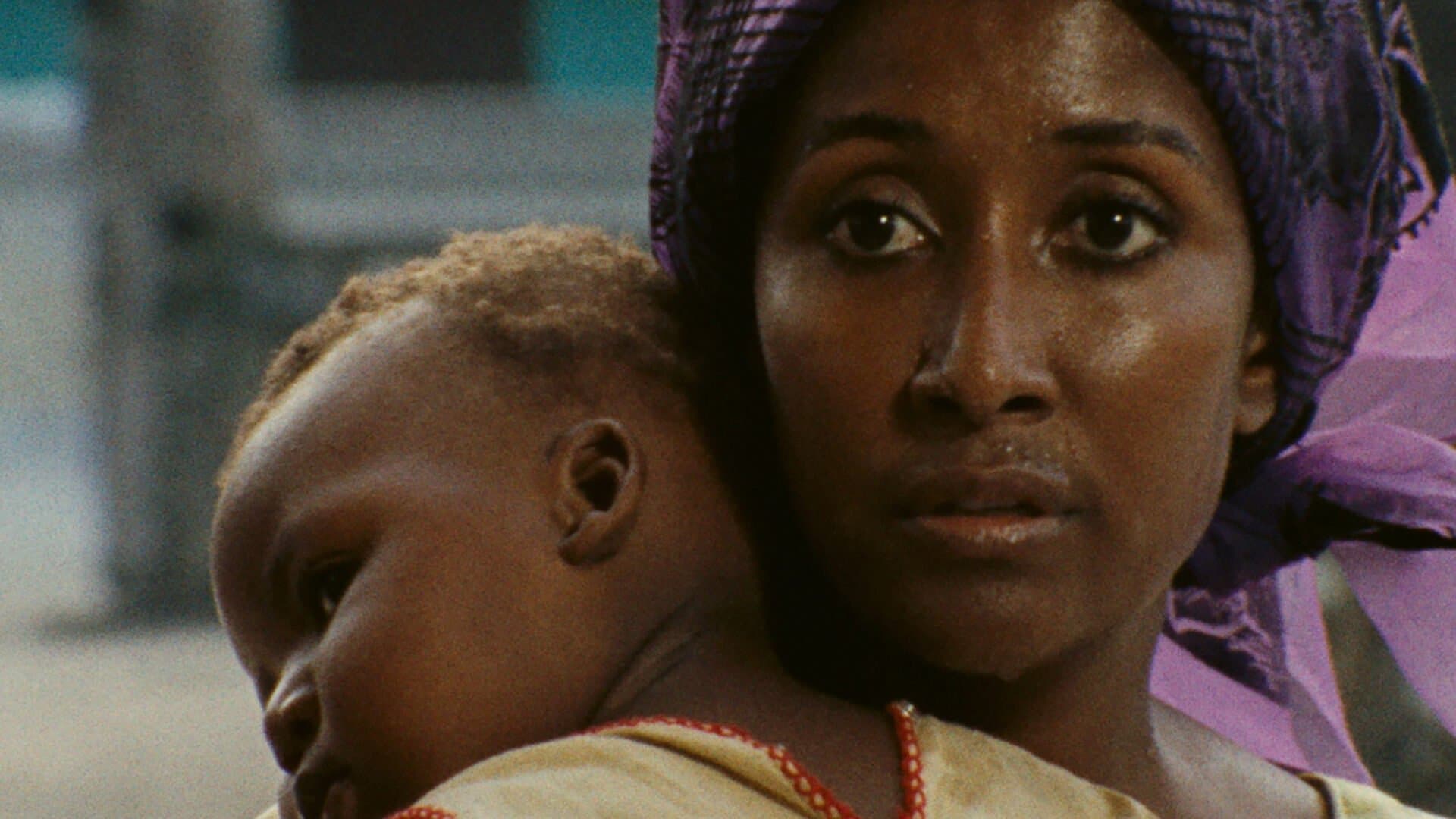
Though their voices have historically been marginalized, innovative Black women filmmakers have long broken barriers to tell urgent, powerful, and perceptive stories on-screen. This celebration of pioneering Black women who made an impact with their very first—and in some cases only—feature film reveals a rich lineage of artists whose works open up into fascinating dialogue with one another. Exploring themes of revolutionary and anticolonialist struggle (Sarah Maldoror’s Sambizanga , Sara Gómez’s One Way or Another ), the experience of coming of age as a young Black woman (Cauleen Smith’s Drylongso , Dee Rees’s Pariah ), and the meaning of heritage and history (Julie Dash’s Daughters of the Dust , Zeinabu irene Davis’s Compensation ), these uniquely insightful, formally imaginative works are each an act of courageous dedication and vision. Programmed by Rógan Graham, who presented a version of Black Debutantes at London’s BFI Southbank in May 2025.
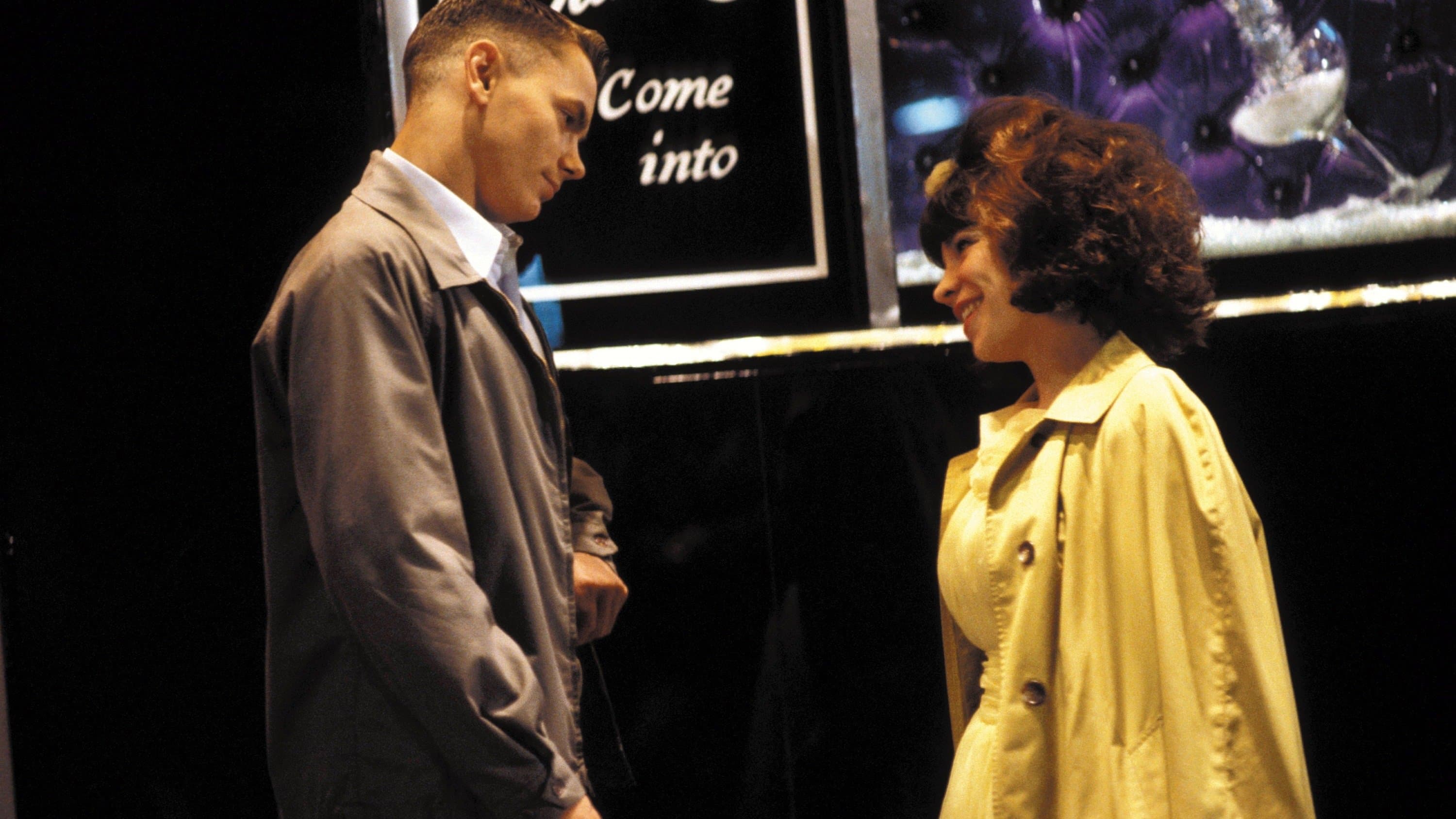
Featuring the documentary The Many Miracles of Household Saints </b? Graced with warmth, sensitivity, and indelible, richly realized characters, the films of Nancy Savoca eloquently evoke the inner worlds of women who challenge patriarchal norms in their quests to define themselves. Both built around luminous performances from Lili Taylor as young women on complex journeys of romantic and spiritual awakening, the period pieces Dogfight and Household Saints are understated gems of 1990s independent filmmaking that balance vividly drawn character portraits with broader insights into the generation-defining upheavals of midcentury America.
Among the most fascinating chapters of cinematic history is that of the so-called “race films” that flourished in the U.S. between the 1920s and the ’40s. Unlike the “black cast” films produced within the Hollywood studio system, these films not only starred African Americans but were funded, written, produced, edited, distributed, and often exhibited by people of color. Entrepreneurial filmmakers built an industry apart from the Hollywood establishment, cultivating visual and narrative styles that were uniquely their own. Among the trailblazing artists featured here are Oscar Micheaux, the first major African American feature filmmaker, whose body of work includes Body and Soul , starring Paul Robeson in his film debut, and Within Our Gates ; Spencer Williams, whose masterpiece The Blood of…
Since the birth of cinema, Indigenous people have been staple subjects of documentary—until a new generation of Native American filmmakers emerged in the 1980s who insisted on becoming its authors too. Forged in the social upheavals of the midtwentieth century and abetted by the emergence of accessible video technologies, these artists began to make films about and for their own communities, initiating a new kind of nonfiction that would be taken up by subsequent generations as one of the cornerstones of Native American cinema. From foundational works by filmmakers like Victor Masayesva Jr. ( Itam Hakim , Hopiit ) and Arlene Bowman ( Navajo Talking Picture ) who used the camera to preserve endangered cultural traditions and histories to younger artists like Sky Hopinka ( maɬni…
At its peak in the 1980s and early ’90s, the Hong Kong film industry was unmatched when it came to action spectacle, offering up dazzlingly choreographed, operatically stylized thrill rides that electrified genre fans around the world. From the bullet-riddled underworld odysseys of John Woo ( A Better Tomorrow , The Killer ) and Ringo Lam ( City on Fire , Full Contact ) to the eye-popping martial-arts comedies of Jackie Chan ( Police Story , Miracles ) and Sammo Hung ( Pedicab Driver , The Magnificent Butcher ) to the sweeping wuxia epics of Tsui Hark ( Once Upon a Time in China , Swordsman ), these films explode with some of the most inventive and furiously entertaining action mayhem ever captured on film.
When the feverishly over-the-top imagination of Hong Kong genre cinema meets the supernatural, anything can happen. Featuring hopping vampires ( Encounters of the Spooky Kind , Mr. Vampire ), demonic felines ( Evil Cat ), seductive ghosts ( A Chinese Ghost Story ), and all manner of otherworldly mischief-makers, these outrageous fantasies blend horror, comedy, action, melodrama, and awesomely old-school special effects with the gleeful abandon that only the Hong Kong film industry in its prime would have dared to attempt.
Featuring an introduction by critic Dennis Lim, part of Criterion’s Spotlight series Edward Yang made films on a monumental scale, bringing novelistic depth to sprawling stories of human connection, alienation, and self-discovery set in a rapidly changing Taiwan. Capturing intricate webs of criss-crossing social relationships with his masterful long takes, Yang’s films—including his crowning achievements, the epics A Brighter Summer Day and Yi Yi —reflect on both the universalities of the human condition and the specific social and cultural upheavals that transformed his country across the twentieth century.
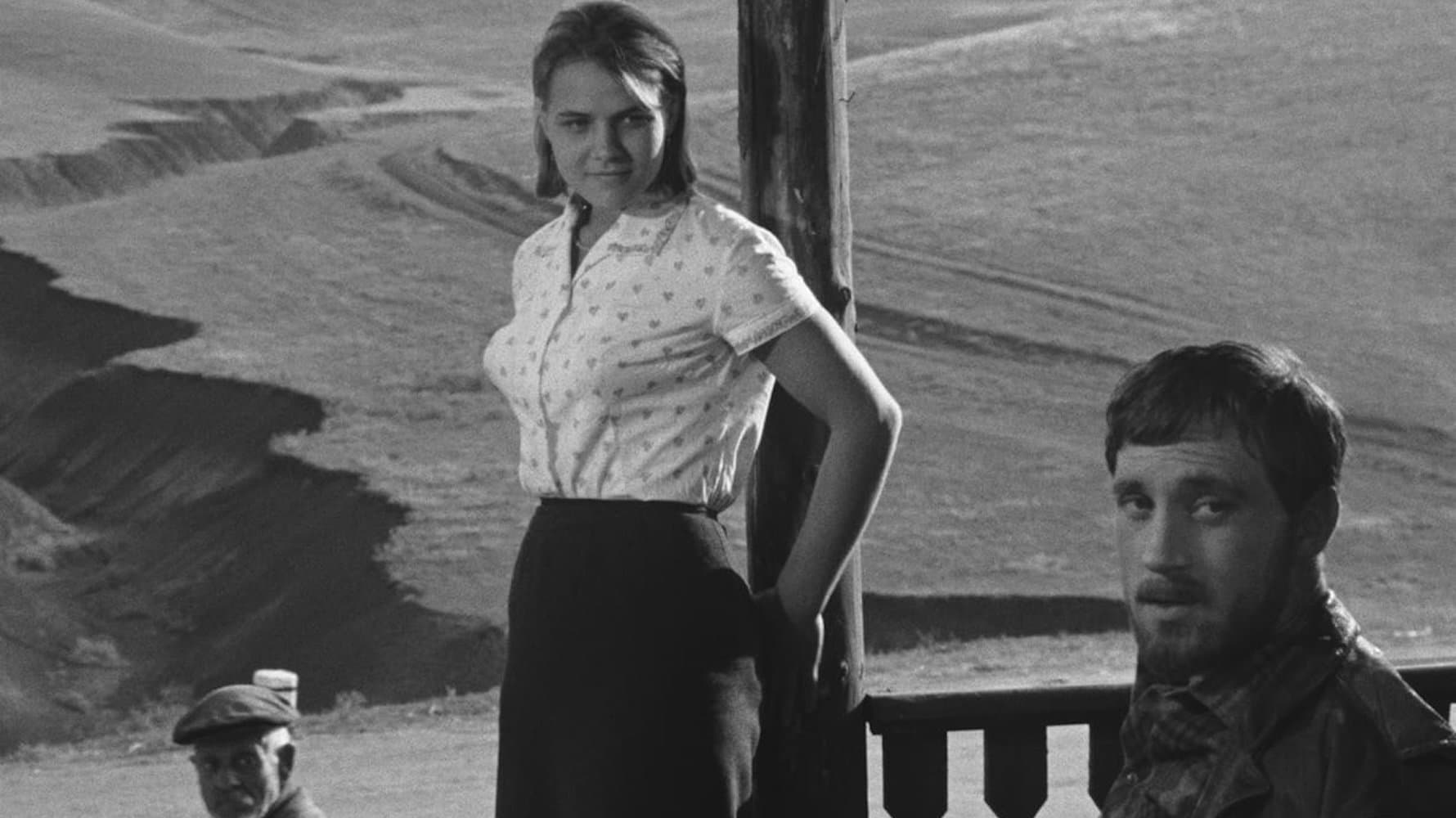
Few filmmakers have forged a voice as singular and uncategorizable as that of Ukrainian iconoclast Kira Muratova. Working on the margins of Soviet and post-Soviet cinema, she withstood decades of censorship to realize her uncompromising vision in fascinatingly fragmented, expressionistically heightened works that employ melodrama, satire, and absurdism to explore the psychic toll of life under oppressive political, social, and domestic systems. Her films—including the impressionistic family portrait The Long Farewell , her radical glasnost-era masterpiece The Asthenic Syndrome , and the dark con-artist comedy The Tuner —delight in disorder and contradiction as they deconstruct the very language of cinema itself.
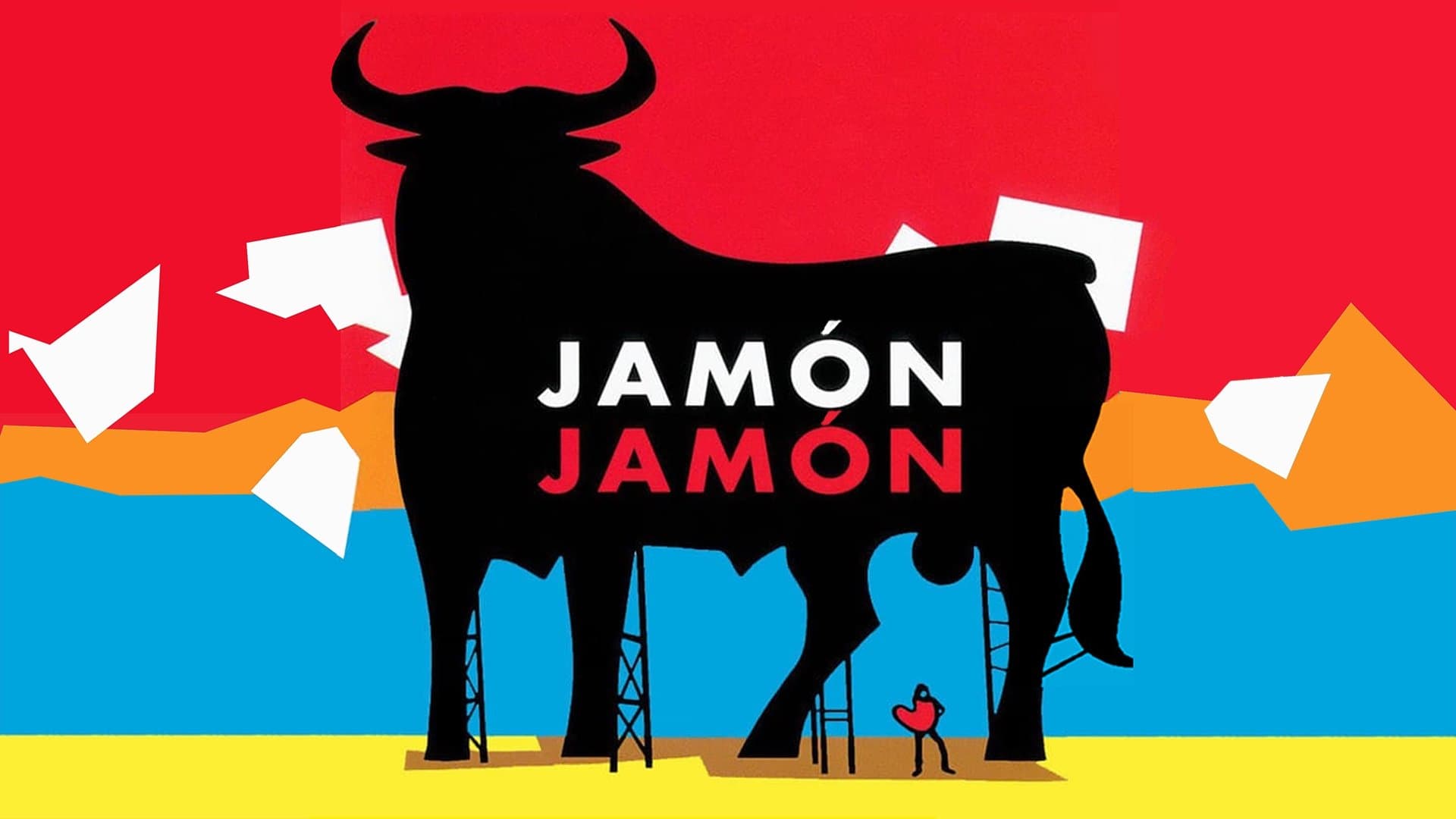
Few filmmakers navigate the libidinal and the lyrical quite like Spanish sensualist Bigas Luna, a provocateur with a painter’s eye, whose films are lush with eroticism, surrealist flourishes, delirium, and grotesquery. His films—including the Iberian Trilogy comprising the international sensation Jamón jamón (which launched the careers of superstars Penélope Cruz and Javier Bardem), Golden Balls , and The Tit and the Moon —are celebrations of the carnal pleasures of both sex and food, laced with trenchant critiques of Spanish identity, culture, and machismo.
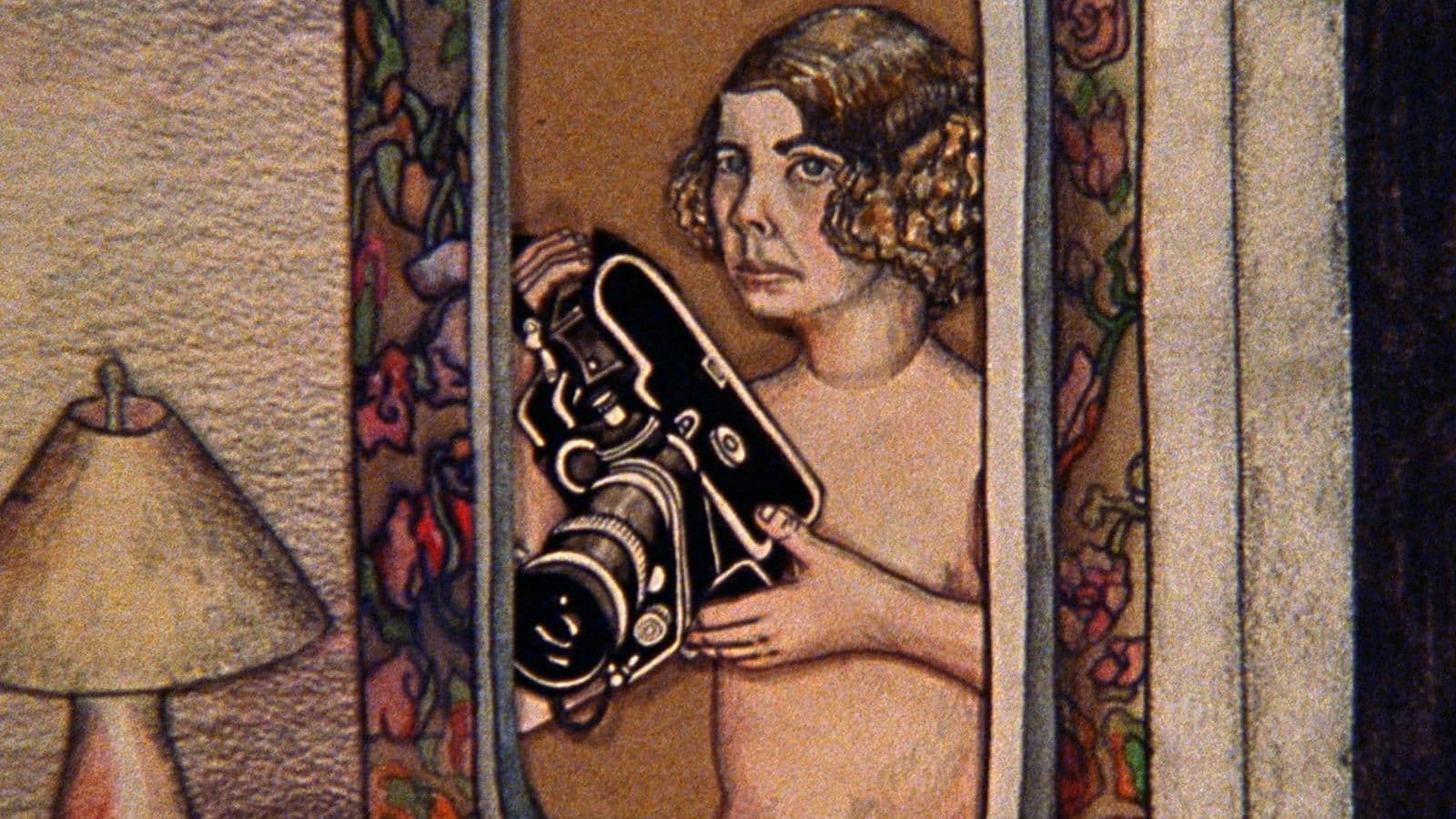
Featuring Suzan Pitt: Persistence of Vision , a 2006 documentary by Blue and Laura Kraning Enter the wild and wondrous world of the late Suzan Pitt, an independent animation visionary whose oneiric psychosexual odysseys are direct channels to her dreams, nightmares, fantasies, and inner desires. Straining a diverse array of influences—from Leonora Carrington to Betty Boop to magical realism—through her subconscious, Pitt became an underground-animation legend with her DIY landmark Asparagus , a kaleidoscopic vegetal fantasia that blew minds when it toured the midnight-movie circuit on a double bill with David Lynch’s Eraserhead . Embedding deeply personal explorations of issues like depression ( Joy Street ) and mortality ( El doctor ) within whorls of biomorphic, Jungian imagery, Pitt’s films are triumphs of surrealist imagination from an artist who brought her unconscious to florid, flickering life.
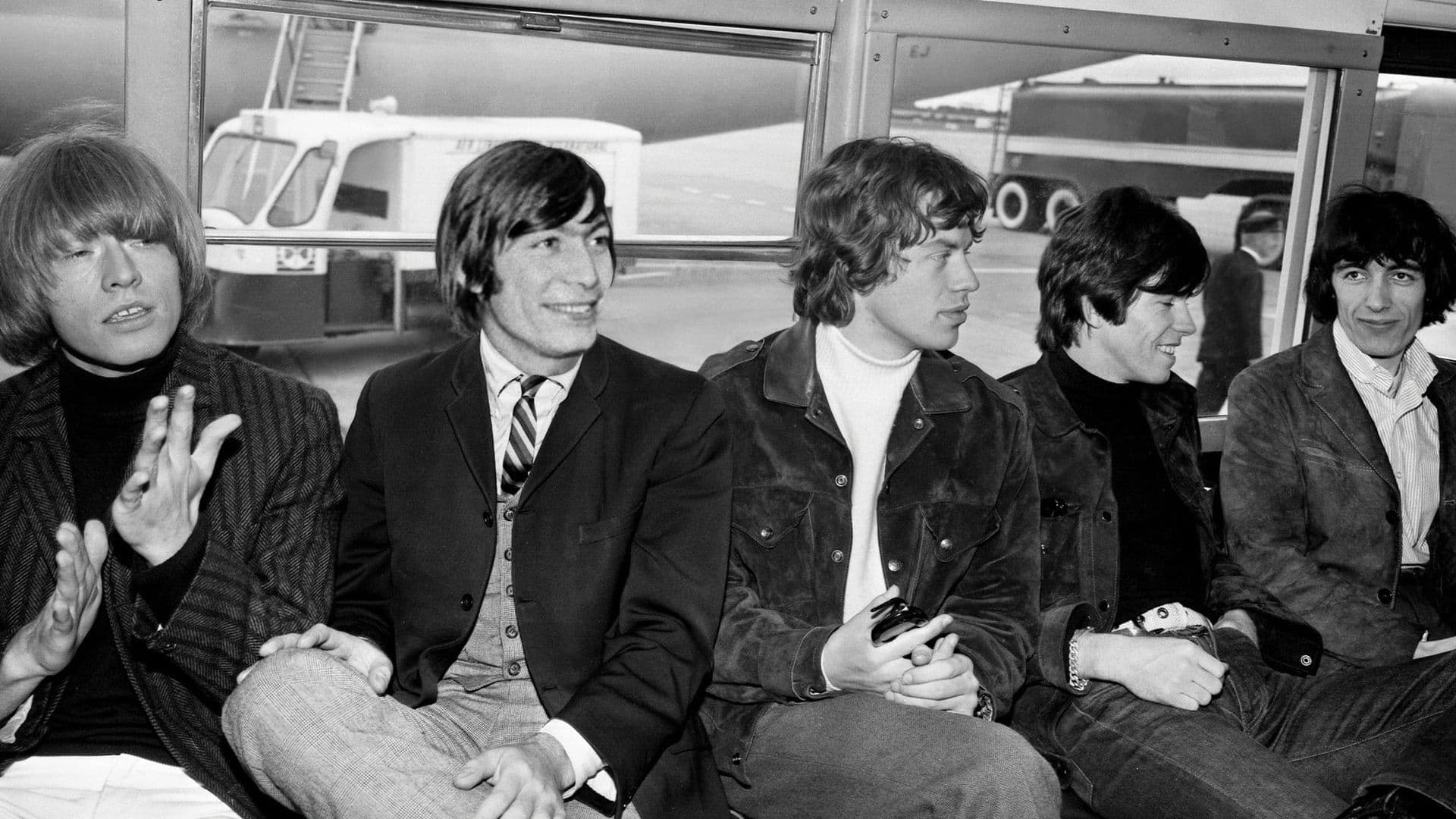
From the beginning of their ’60s heyday, the Rolling Stones oozed rebel cool and a sense of danger that made them irresistible cinematic subjects. While their first foray into film, the tour documentary Charlie Is My Darling , presents the band as young up-and-comers in the process of finding their voice, Jean-Luc Godard’s radically experimental Sympathy for the Devil , which documents the recording of the iconic title song, and the infamous concert-film landmark Gimme Shelter —the dark flip side to the peace-and-love era—capture the Stones at their electrifying, counterculture-defining peak.
Chilling, unblinking confrontations with the void of modern existence, the films of Michael Haneke dare viewers to reckon with the links between media, violence, capitalism, and inequality in an increasingly sterile, alienated world. With his first three theatrical features— The Seventh Continent , Benny’s Video , and 71 Fragments of a Chronology of Chance —Haneke offered a disturbing vision of an Austrian society so emotionally numb it could only be roused by the shock of sudden violence. His harrowing dissections of contemporary malaise reached new heights of controversy and acclaim with much-debated international sensations like the dread-inducing home-invasion thriller Funny Games and the startling psycho-erotic drama The Piano Teacher , which firmly established him as one of contemporary cinema’s most daring and provocative artists.
Intense, searing visions of life, death, sex, and struggle on the mean streets of Manila, the films of preeminent Filipino auteur Lino Brocka fuse feverish melodrama with hard-hitting social and political commentary. His films—including defining works of Filipino cinema like the gritty urban nightmare Manila in the Claws of Light , the shattering revenge drama Insiang , and the blistering action thriller Cain and Abel —scorch the screen with raw emotion and righteous anger at class inequality, sexual violence, and the pervasive corruption of the Marcos era.
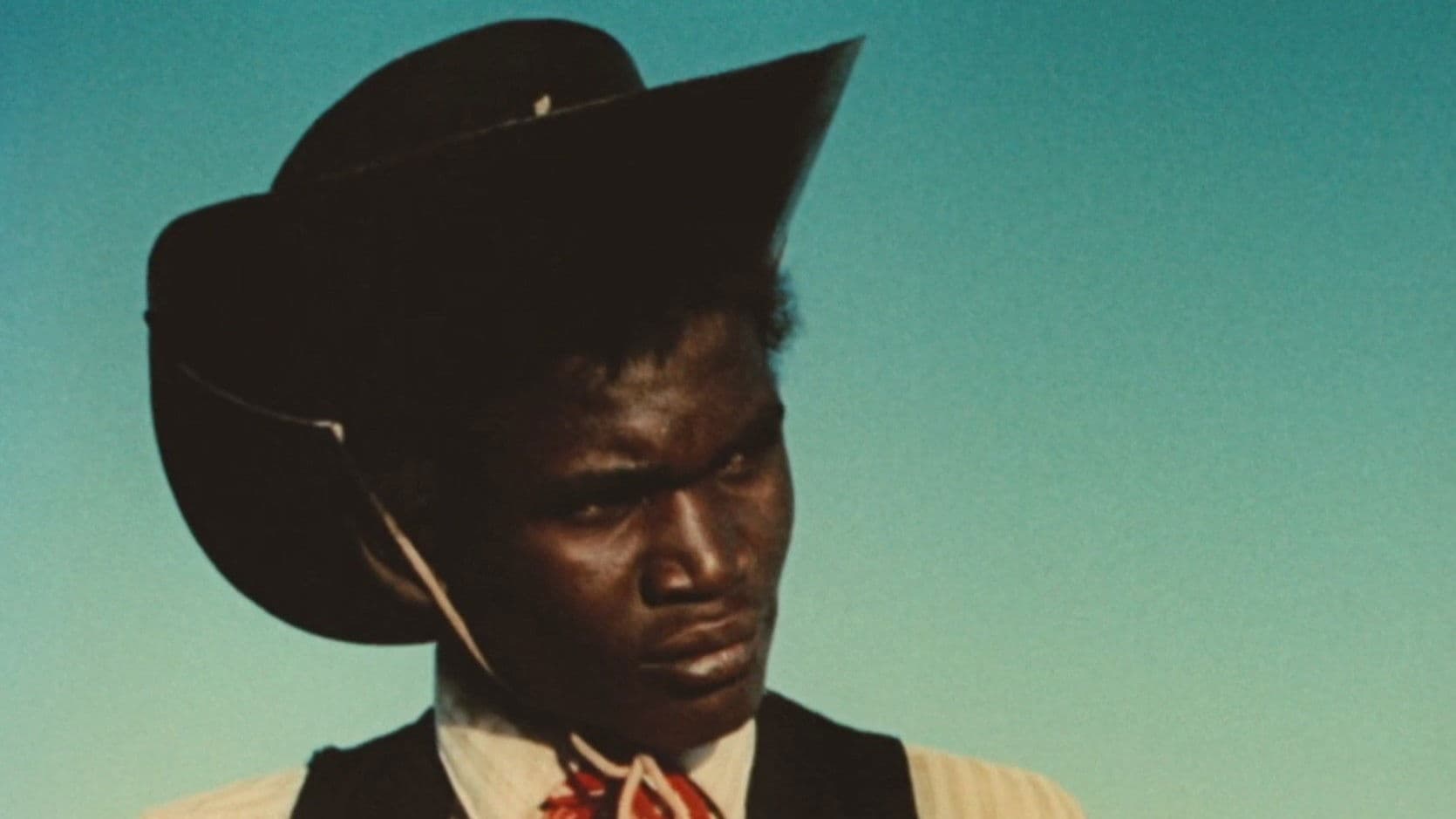
A playfully subversive trailblazer of African cinema, Niger-born Moustapha Alassane created a charmingly lo-fi, irreverently imaginative world all his own. Featuring cartoon frogs, Wild West–style African cowboys, stop-motion puppets, and folkloric heroes, his often witty, iconoclastic fables take satiric aim at postcolonial politics and government corruption—calling out abuse of power wherever he saw it. Working across animation, narrative, experimental, and ethnographic filmmaking, he collaborated with renowned figures like animator Norman McLaren and documentarian Jean Rouch, but his style was all his own, unbeholden to Eurocentric conventions and steeped in Nigerien tradition and lore.
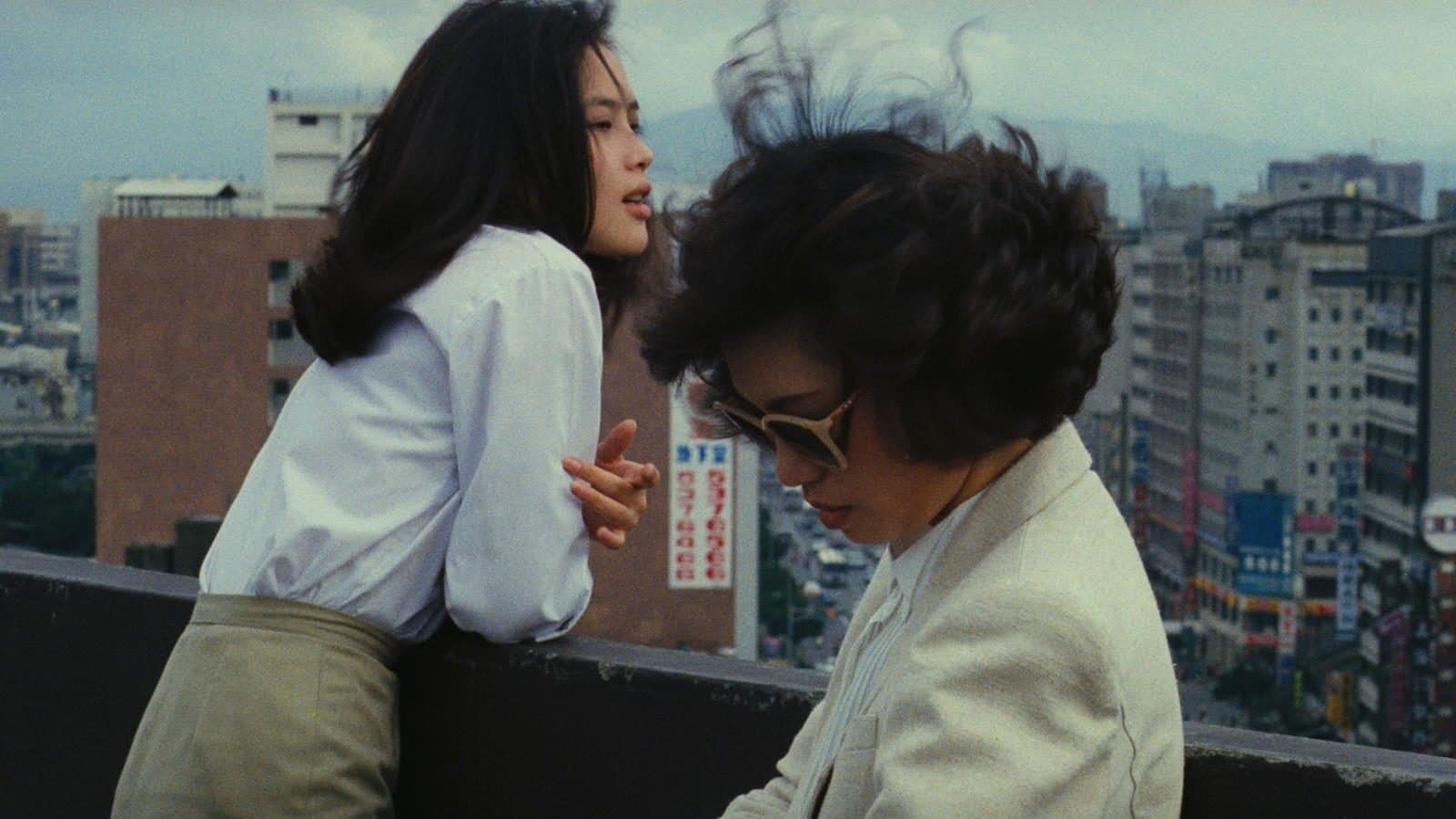
With their hypnotic long takes and elliptical narrative structures, the dreamily enveloping films of Taiwanese cinema titan Hou Hsiao-hsien seem to reshape the rules of time, drifting languorously through the ever-changing sociopolitical realities of Taiwan past and present. Beginning his career with the charming, commercial romantic comedies Cute Girl and The Green, Green Grass of Home , he came into his own with his fourth feature, the poignant, more naturalistic coming-of-age drama The Boys from Fengkuei . With later triumphs like Flowers of Shanghai and Millennium Mambo —sublimely sensorial reflections on the passage of history at the end of the nineteenth and dawn of the twenty-first centuries, respectively—Hou firmly established himself as one of world cinema’s foremost masters, capable of rendering profound emotional states with the subtlest of strokes.
One of the essential but long-neglected voices of the French New Wave, Jacques Rozier was a comedic master whose small yet rich body of work remains ripe for rediscovery. Starting with his feature debut, Adieu Philippine , Rozier was determined to explode conventional story forms, combine seemingly incompatible genres and tones, and gleefully stretch his characters’ possibilities to their breaking points. Overlooked upon its initial release, Adieu Philippine has since been hailed as a high point of the nouvelle vague’s youthful energy and experimentation, though Rozier’s four other, lesser-known features— Near Orouët , The Castaways of Turtle Island , Maine-Océan Express , and Fifi Martingale —are just as startling for their emotional complexity, satirical insight, narrative mischief, and humorous, self-reflective examinations of the nature of creativity. Long overshadowed by the films of his peers, Rozier’s core work reveals a brilliant and distinctive cinematic vision.
This July 15th marks the 100th birthday of documentary filmmaker D. A. Pennebaker, who forever changed the way we see the world. He helped pioneer the sync-sound camera rig, allowing his camera to move freely, bringing audiences into the heart of the moments that shaped a century. One of the trailblazers of cinema verité, Pennebaker believed that truth didn’t need a narrator, it just needed to be witnessed. Working alongside collaborators like Robert Drew, Richard Leacock, and his creative and life partner Chris Hegedus, he captured history in motion: a young presidential hopeful on the campaign trail in Primary , Bob Dylan wrestling with fame in Dont Look Back , the raw energy of Monterey Pop , and the creative chaos of Original…
Proud, rebellious, colorful, intimate, and frank, these visions of LGBTQ+ life include beloved modern classics as well as hidden gems. From staples of the art-house canon ( Je tu il elle , Querelle ) to highlights of the New Queer Cinema explosion ( Poison , Nowhere ) and landmark documentaries ( Paris Is Burning , The Times of Harvey Milk ), these films represent just a sample of the wide world of queer cinema, but they offer a taste of its breadth, creativity, and defiance in the face of adversity.
Farce and fantasy, satire and surrealism mingle in the exuberantly imaginative, elegantly witty films of pioneering French director René Clair, one of the most brilliant innovators of cinema’s foundational decades. Clair’s early silent films, like the Dadaist short Entr’acte and the inventive science-fiction comedy Paris qui dort , were rooted in the spirit of the Parisian avant-garde, bursting with a formal playfulness that he would carry into the early sound era in international triumphs like the enchanting musical romance Under the Roofs of Paris and the irresistible comic delight À nous la liberté , which made brilliantly innovative use of the new sound technology. Outside of France, Clair brought his Gallic sophistication to both England and Hollywood, where he produced charming comic fantasias like The Ghost Goes West , I Married a Witch , and It Happened Tomorrow that sparkle with the whimsy and irrepressible creativity that defined his work.
Featuring a new interview with Cohen, part of Criterion’s Meet the Filmmakers series A true hero of DIY cinema, Jem Cohen has been pursuing his own brand of defiantly independent artistry for more than four decades across films of many shapes and sizes, including city symphonies, collaborations with musicians, artist portraits, and semiscripted features. A poetic chronicler of urban landscapes and artists who share his outsider spirit, Cohen captures people and places with the dreamy textures of Super 8, 16 mm, and lo-fi video. Whether training his uniquely off-kilter gaze on legendary underground musicians ( Benjamin Smoke , Instrument , Lucky Three ) or the modern cityscapes that shape our lives ( Chain , Museum Hours ), Cohen opens our eyes to new ways of experiencing the world around us. *NOT ON LETTERBOXED* Vox Populi (2018) TREE SONG, Xylouris White (2019) Opened Ending (2020) Aerie (2024)
Always bold, subversive, and razor-sharp, auteur and cultural icon Spike Lee sees the complexities of life in America with a clarity like no other. In this edition of Adventures in Moviegoing, he sits down with Sheril Antonio, his colleague at New York University Tisch School of the Arts, to discuss his formative cinematic experiences—from growing up watching James Bond movies with his mother to the impressions that pioneering Black performers like Sidney Poitier, Jim Brown, and Melvin Van Peebles made on him. The films he has chosen to present, like Rome Open City , The Battle of Algiers , and Sweet Sweetback’s Baadasssss Song , crackle with the defiantly independent spirit that runs through his own work.
One of the most exciting and adventurous film festivals to emerge in recent years, Prismatic Ground brings together aesthetically innovative, politically radical work at the intersection of experimental and documentary cinema. This selection of shorts from the festival’s first four editions offers an eclectic cross section of vital works by filmmakers whose approach to image-making eschews traditional narrative in favor of abstraction and sensation, showing how avant-garde techniques can be deployed to illuminate profound personal experiences as well as violent histories of colonialism, oppression, and dispossession. The latest additions from the festival’s 2024 edition confront topics as varied as community, resistance, family, landscape, history, myth, and memory with rigorous attention to form and galvanizing emotional power. The fifth edition of Prismatic Ground runs from April 30–May 4, 2025.
One of the most innovative and enigmatic directors of the French New Wave, Jacques Rivette approached filmmaking as a kind of choose-your-own-adventure of the imagination, crafting sprawling, immersive works that unfold as labyrinths, games, and puzzles to be deciphered. Blurring the boundaries between narrative and improvisation, fiction and reality, his films invite audiences to witness not just a story, but the very process of storytelling itself. Whether turning the streets of Paris into a playground in open-air fantasias like Céline and Julie Go Boating and Le Pont du Nord or exploring mysterious interior states in mesmerizing dramas like L’amour fou and La belle noiseuse , Rivette evokes a world both grounded and dreamlike, where every visual choice seems to unlock a door to deeper layers of meaning.
Featuring a new introduction by critic Imogen Sara Smith Moody, shadow-latticed cinematography; exquisitely wrought dialogue; an intoxicating sense of world-weary fatalism: welcome to the world of French cinema in the 1930s and ’40s, when the style known as poetic realism—rooted in working-class social reality yet heightened by a distinctly Gallic lyricism—flourished. In the hands of masters like Jean Renoir ( La bête humaine , The Rules of the Game ), Marcel Carné ( Port of Shadows , Children of Paradise ), Julien Duvivier ( Pépé le moko , Un carnet de bal ), and Jean Grémillon ( Remorques , Lumière d’été ), the struggle and grit of everyday life was transformed into transcendent art and marginalized antiheroes (often played by the era’s defining leading man, Jean Gabin) took on a romantic air. A key influence on the development of film noir, these masterpieces of atmosphere unfold in a unique world unto themselves—melancholic, dreamy, and beautifully doomed.
A true cinematic revolutionary who used the camera as her tool in the fight against oppression in all forms, the Afro-Cuban filmmaker Sara Gómez brought the stories of ordinary Cubans to the screen with a bracing immediacy and insight. Drawing on her background in ethnography, Gómez became her country’s first woman director, exploring issues of class, race, labor, women’s health, and Afro-Cuban culture in a string of intimate, illuminating shorts that revealed the complex realities of life in a postrevolutionary society rocked by seismic change. Though she directed only one feature—the formally innovative landmark of radical feminist cinema One Way or Another —before her death from an asthma attack at age thirty-one, Gómez left behind a vital legacy as a pioneer whose work continues to offer lessons in what a truly engaged, decolonial counter-cinema can be.
As a chameleon who continually reinvented his musical persona, David Bowie was a natural actor who lent his singular yet slippery presence to a number of carefully chosen, always surprising film projects. While his first major screen role in Nicolas Roeg’s hallucinatory science-fiction epic The Man Who Fell to Earth capitalized on his inherently alien androgyny, Bowie continued to prove a versatile, charismatic performer in films as diverse as Nagisa Oshima’s homoerotic war drama Merry Christmas Mr. Lawrence and the delightfully daft indie screwball The Linguini Incident .
Featuring an introduction by programmer and critic Irena Kovarova, directors Miloš Forman and Jan Němec, and film professor Peter Hames Of all the cinematic New Waves that broke over the world in the 1960s, the one in Czechoslovakia was among the most fruitful, fascinating, and radical. With a wicked sense of humor and a healthy streak of surrealism, a group of fearless filmmakers risked censorship and began to use film to speak out about the hypocrisy and absurdity of the Communist state. Ranging in style from the dazzlingly experimental to the arrestingly realistic, these new additions to our comprehensive Czechoslovak New Wave collection include four rediscovered gems by the great František Vláčil ( Marketa Lazarová ), the one-of-a-kind musical The Hop-Pickers , and…
A sui generis icon of counterculture cinema and style, John Waters upends traditional notions of “good taste” and heteronormative social conventions with a gleefully transgressive mix of camp humor, outrageous provocation, and daring empathy. In this edition of Adventures in Moviegoing, he sits down with film critic Michael Koresky to discuss his formative moviegoing memories in both his beloved hometown of Baltimore, where the shock cinema of B-movie meister William Castle made a lasting impression, and in New York City, where he was influenced by the uncompromising underground scene championed by critic and filmmaker Jonas Mekas. The films Waters has chosen to present—including Samuel Fuller’s The Naked Kiss and Barbara Loden’s Wanda —are connected by their focus on complicated women who defy moral and social norms, as portrayed by iconoclastic filmmakers who also challenge and subvert the status quo.
Following in the footsteps of his revered documentarian father, Les Blank, Harrod Blank makes films that immerse viewers in the offbeat subcultures and proudly unconventional fringes of American society. A leading figure in the art-car community explored in Wild Wheels and Automorphosis —both about like-minded individuals who make outrageously creative modifications to their automobiles in the name of personal expression—Blank celebrates the oddballs, dreamers, and outsiders who resist conformity to forge their own paths. *MISSING from Letterboxd:* Dugout Dick (2022)
Shattering taboos with her unflinching, often shocking explorations of female sexuality and pleasure, Catherine Breillat plunges fearlessly into the corporeal realms of eroticism and violence. The two are inextricably linked in her daring body of work, which encompasses controversial coming-of-age portraits like A Real Young Girl and Fat Girl , the overtly autobiographical Sex Is Comedy , and her acclaimed latest, the daring exploration of forbidden desire Last Summer . In all, Breillat explores the intricacies of passion, power, and sexual politics, forcing viewers to confront that which makes them most uncomfortable and radically redefining the depiction of the female body on-screen.
With his very first film, On the Bowery , Lionel Rogosin forever changed the art of nonfiction filmmaking in America, bridging narrative and documentary practices to portray life on NewYork’s skid row with an unvarnished authenticity and immediacy steeped in the spirit of neorealism. Born one hundred years ago, Rogosin was committed to fighting racism and fascism wherever they took hold. His convictions led him to South Africa, where he used his camera as a weapon to expose the injustices of apartheid in the docufiction landmark Come Back, Africa . Tackling everything from the horrors of war ( Good Times, Wonderful Times ) to the suffering and resistance that finds expression in African American music ( Black Roots ), Rogosin forged a singular body of work as radical in ideas as in form.
With her latest novel, Creation Lake , hitting shelves this September, acclaimed writer Rachel Kushner—whose The Flamethrowers was recently named one of the best 100 books of the twenty-first century by the New York Times—sits down with Criterion Channel curator Aliza Ma to discuss her long-standing fascination with film and the ways in which cinema has influenced her own art. Reflecting on her favorite movies made in her onetime home of San Francisco, why Michelangelo Antonioni is always with her, and why she considers Barbara Loden’s Wanda to be the greatest film ever made about the United States, Kushner offers astute cultural insight into the filmgoing experience and the alchemical relationship between the cinematic image and the printed word.
Born one hundred years ago this September, Marcello Mastroianni made being a movie star look effortless, wearing his suave good looks and worldly sophistication with a sly, self-deprecating lightness that was perhaps only matched by his American counterpart, Cary Grant. Though he will forever be remembered for his immortal collaborations with Federico Fellini—who cast the actor as his alter ego in his masterpiece 8½ —Mastroianni left behind a staggering body of indelible performances for major directors like Luchino Visconti ( Le notti bianche ), Michelangelo Antonioni ( La notte ), and Mario Monicelli ( The Organizer ). An actor of virtuosic versatility who was equally at home in the zesty farce of Divorce Italian Style , in the humane drama of A Special Day , and parodying his own image in We All Loved Each Other So Much , Mastroianni embodies, perhaps more than any other performer, the soul of Italian cinema.
The rhythms, rituals, and richness of life in rural Mexico come into revelatory focus in the meditative, exquisitely observed films of Juan Pablo González. Turning his ever-patient camera on the people and landscapes of his hometown in the state of Jalisco, González works across documentary and narrative—often in collaboration with his subjects—to tell intimate stories of family, grief, and resilience that touch on wider issues of globalization, politics, and the tension between tradition and modernity. From an evocative immersion into a village haunted by suicide ( Caballerango ) to a poignant portrait of a woman struggling to keep her tequila factory afloat ( Dos Estaciones ), González’s films counter prevailing stereotypes to show a rarely seen slice of Mexico in all its complexity.
In this new program, critic Imogen Sara Smith introduces one of Japanese cinema’s classical masters—a virtuoso of melodrama who specialized in portraying the personal and social struggles of women with supreme sensitivity. In a career that spanned four decades, he directed nearly ninety films, including silent dramas like Apart from You , Every-Night Dreams , and Street Without End , in which he poignantly etched the experiences of working women carrying on in the face of everyday disappointments and compromises in an often cruelly sexist society. Continuing to explore these themes throughout his career, Naruse’s artistry reached its zenith in the 1950s, when, working with renowned leads like Hideko Takamine, Kinuyo Tanaka, and Setsuko Hara, he directed a string of devastating melodramas—including Late Chrysanthemums, Floating Clouds, Flowing, and When a Woman Ascends the Stairs—that elevated the genre to heartrending new heights, abetted by a feeling for delicate, rhythmic editing that could build with subtle but shattering emotional force. Premiering 15 August 2024
Featuring a new introduction by film scholar Richard Peña For more than half a century, Youssef Chahine drew from the multicultural, cosmopolitan spirit of his home city of Alexandria to forge a passionate, extravagant, iconoclastic oeuvre that merged a quintessentially Egyptian sensibility with international influences ranging from Hollywood musicals and melodramas to European neorealism. With films like his international breakthrough, the florid psychosexual noir Cairo Station , and the searing portrait of rural class struggle The Land , Chahine displayed his willingness to court controversy through daring social and political critique, while in works like Alexandria . . . Why? (the first in a quartet of autobiographical films centered around the city) he turned inwards to examine his own life, sexuality, and…
Following a nine-year absence from the screen, the King of the Monsters roared back with a vengeance in 1984 with The Return of Godzilla , inaugurating a new era in the romping reptile’s mythology. The ferociously entertaining kaiju spectaculars of the 1980s and ’90s—which brought back familiar favorites like Mothra and King Ghidorah and introduced a new adversary in the genetically engineered mutant Biollante—reestablished Godzilla as a fearsome force (after previous Showa-era films that had recast himself as a benevolent protector), while taking the series’s political commentary and vaunted special effects in bold new directions.
The thrillingly innovative films of Nicolas Roeg are dazzling, chronology-scrambling puzzles that explode the rules of cinema and leave the viewer to piece together the shards. Distinguishing himself first as a cinematographer for directors such as François Truffaut and Roger Corman, Roeg made the leap to directing with a remarkable run of films that frequently courted controversy but have gone on to become cult classics, including the dreamlike Australian odyssey Walkabout , the mesmerizing horror masterpiece Don’t Look Now , and the shockingly transgressive Bad Timing . Among the most radical and uncompromising British films of the era, these visceral, provocative works opened narrative cinema up to a brave new world of stylistic and psychological complexity.
Transcending the rigidity and oppressions of the current moment, this program, produced by Multitude Films and inspired by queer theorist José Esteban Muñoz, taps into joy and dares to imagine radical, emancipated visions of queer life. Four short films explore fat beauty and liberation, gender-affirming healthcare, nonbinary siblinghood in ballroom culture, and the anonymous connections of a decades-old LGBTQ hotline. Just as queer lives subvert normative expectations of behavior, identity, and expression, these films expand the boundaries of nonfiction forms to present new ways of seeing the queer experience.
As if conjured from a distant dream or a faded memory, the films of Haitian-Canadian director Miryam Charles are hushed, ghostly meditations on family, memory, trauma, colonization, and migration. Employing richly evocative sound design and tactile 16 mm texture, her impressionistic shorts and her stunning feature documentary Cette maison approach the diasporic experience from oblique, deeply personal angles, with each frame haunted by the landscapes and sounds of an ancestral Haiti that is at once far away and ever present.
One of the most revelatory voices to emerge from the postwar explosion of international art-house cinema, Swedish auteur Ingmar Bergman was a master storyteller who startled the world with his stark intensity and naked pursuit of the most profound metaphysical and spiritual questions. The struggles of faith and morality, the nature of dreams, and the agonies and ecstasies of human relationships—Bergman explored these subjects in films ranging from comedies whose lightness and complexity belie their brooding hearts to groundbreaking formal experiments and excruciatingly intimate explorations of family life.
A legendary screenwriter, director, critic, and cinephile whose work searches for spiritual salvation in the modern world, Paul Schrader did not in fact see a movie until he was a teenager—a result of his being raised in a strict Calvinist household that forbade filmgoing. In this edition of Adventures in Moviegoing, he sits down with Criterion Channel programmer Aliza Ma to discuss how he came to worship at the altar of cinema—a journey that began with the discovery of the films of Ingmar Bergman and his life-changing association with the critic Pauline Kael. As he explains, each movie he has selected proved a revelation in his understanding of the medium, including masterpieces by Carl Theodor Dreyer ( Ordet ) and Yasujiro Ozu ( An Autumn Afternoon ) that reflect his interest in what he famously dubbed “transcendental” film style.
These stylistically radical, bracingly contemporary films offer new ways of seeing Philippine myths, pasts, presents, and futures. Making innovative use of digital technologies, extreme color grading, and unexpected aspect ratios, a new generation of young Philippine filmmakers explodes genre conventions to imagine stories of absurd, alienating worlds and lonely characters longing for something or someone outside the limited reach of the frame. Taken together, these alternate cinematic dimensions form an exciting body of work that nods to the past while feeling startlingly, ecstatically new. Programmed by Aaron Hunt
Everyday reality slips into surrealist reverie in the uncanny visions of Sara Driver, whose films possess the hallucinatory textures and hypnotic rhythms of a waking dream. A central but often overlooked linchpin of the 1980s downtown New York arts scene, Driver made her directorial debut with You Are Not I , a mesmerizingly eerie adaptation of a Paul Bowles story that was thought lost for decades until it reemerged to take its place as one of the key independent films of the era. In subsequent features Sleepwalk and When Pigs Fly , Driver delved further into the fantastical, crafting modern-day fairy tales whose trancelike spells linger long after the last reel.
Working across narrative, documentary, animation, experimental, and interactive cinema, Ayoka Chenzira brings the inner worlds of Black women—their hopes, dreams, anxieties, and struggles—to life with heart, humor, and insight. An all-around creative force, she made her mark as an animator with acclaimed shorts like Hair Piece: A Film for Nappy Headed People , a sly commentary on Eurocentric beauty standards, and the inventive dance film Zajota and the Boogie Spirit , before directing the feature Alma’s Rainbow , an exuberant coming-of-age tale that has taken its place as a touchstone of 1990s Black independent cinema. Continuing to push boundaries with the interactive science-fiction fantasy HERadventure , Chenzira remains an innovator whose work has blazed a trail for Black women to tell their own stories on-screen.
Storied auteurs are seen through the lens of fellow filmmaking greats in these revealing director-on-director portraits that stand as distinctive works of art in their own right. Whether it’s Agnès Varda filming a walk with Pier Paolo Pasolini through 1960s Time Square, Ken Jacobs turning fellow avant-garde hero Jonas Mekas into the star of a stroboscopic still life, or Elem Klimov paying moving tribute to his late wife Larisa Shepitko, these by turns candid and carefully crafted miniatures reflect both the creative work of their subject and the unique eye of the filmmaker behind the camera.
Whether traveling the open roads of his native Germany, the American West, or—as in his acclaimed latest, Perfect Days —the streets of Tokyo, Wim Wenders maps both the inner worlds of wanderers and dreamers and the outer spaces they inhabit. In this edition of Adventures in Moviegoing, Wenders sits down with fellow filmmaker Michael Almereyda to discuss his own meandering path toward directing, one that began in earnest with his cinematic self-education while studying art in Paris. The films he has chosen to present include favorites by Yasujiro Ozu, Agnès Varda, and Laurie Anderson, artists who speak through a cinematic grammar all their own.
In celebration of Earth Day, be awed by the astounding strangeness and diversity of nature in all its bizarre and beautiful glory. From atomic-age science-fiction disaster films about irradiated ants ( Them! , Phase IV ) to the sublime stranger-than-fiction scientific studies of biologist Jean Painlevé and an extraordinary up-close encounter with the insect universe ( Microcosmos ), these eye-opening alternate perspectives on our very own planet remind us of the tantalizing mysteries of the natural world.
One of the most revered yet enigmatic figures to emerge in the wake of the French New Wave, Jean Eustache left behind a handful of unsentimental yet compassionate films that continue to be rediscovered and embraced by new generations of cinephiles. With a string of early shorts, he developed the rigorous visual style and themes—the bewildering complexities of romance and the obliviousness of awkward young men chasing it—that led to his magnum opus The Mother and the Whore , an epic, cuttingly intimate record of post–May ’68 disillusionment as glimpsed via a rocky ménage à trois. Though he completed only one other feature—the similarly personal, Bressonian coming-of-age gem My Little Loves —and another fascinating cycle of shorts exploring the relationships between language, image, performance, and meaning, Eustache’s small but influential body of work constitutes a vital trove of self-inquiry, structural exploration, and humanistic yearning.
Founded by a group of young artists in London in 1983, the Sankofa Film and Video Collective sought to give expression to the complexities of Black British identity in an era of turbulent social and racial strife. Encompassing documentary, narrative, and avant-garde practices, the aesthetically innovative, politically engaged cinema that Sankofa produced—including several acclaimed shorts as well as Maureen Blackwood and Isaac Julien’s landmark feature The Passion of Remembrance —offered an urgent new perspective on race, gender, sexuality, and British culture and history that radically subverted the white, Eurocentric gaze.
Kinuyo Tanaka was already one of Japan’s greatest actors—celebrated for her collaborations with auteurs like Kenji Mizoguchi, Yasujiro Ozu, and Mikio Naruse—when she took an unprecedented risk by embarking on a directing career in a studio system that actively discouraged female filmmakers. The six features she made over the course of a decade center on women characters who refuse to conform to restrictive social roles as they seek independence and individual agency. With compassion and insight, Tanaka critiques the social conditions and forces that shape her heroines’ struggles: sex work and social shaming ( Love Letter ), the reduction of a woman to passive romantic partner ( The Moon Has Risen ), taboos surrounding mortality and the female body ( Forever a Woman ), colonial politics ( The Wandering Princess ), the rehabilitation of “fallen women” ( Girls of the Night ), and religious persecution and forbidden love ( Love Under the Crucifix ).
Featuring a new introduction by Isabella Rossellini, part of Criterion’s Meet the Filmmaker series Ever wondered about the sadomasochistic sex lives of snails? Or about the cannibalistic maternal instincts of hamsters? Wonder no more, for the one and only Isabella Rossellini explains it all in these singularly strange and delightful short films that combine science, performance art, and DIY puppetry to illuminate the intimate, unexpected oddities of the natural world. Across a trio of acclaimed series— Green Porno , Seduce Me , and Mammas —Rossellini enacts the animal kingdom’s most surprising habits and rituals for a surreal biology course unlike any other. They’re presented alongside her other recent work as a filmmaker, which further grapples with the animal kingdom by exploring Darwin’s theory of evolution.
Hong Kong is home to one of the world’s most exciting pop-filmmaking traditions—and there’s no bigger event in its box-office calendar than Lunar New Year, typically reserved for the industry’s most crowd-pleasing releases. These genre-blending touchstones bring audiences together for an escape into romance, comedy, fantasy, and action, making them Asia’s answer to the summer blockbuster. Celebrate this year’s holiday with these favorites from some of Hong Kong’s biggest stars, including Jackie Chan ( Police Story ), Sammo Hung ( My Lucky Stars ), and Michelle Yeoh ( The Heroic Trio ).
Experimental icon Shirley Clarke synthesized jazz, modern dance, and abstract expressionism into a dynamic vérité style that put her at the forefront of the emergent American independent film scene of the fifties and sixties. Beginning her artistic career as a dancer, she brought a choreographer’s feeling for rhythm and movement to early dance films like Dance in the Sun and Bullfight and to kinetic city symphonies like Bridges-Go-Round and the Academy Award–nominated documentary Skyscraper . Though she directed only a handful of features—including the controversial beatnik bombshell The Connection and the nonfiction queer-cinema classic Portrait of Jason —they stand as taboo-busting landmarks of the American underground that pointed the way toward a radical counter-cinema.
From indie darling to helmer of 2023’s biggest (and pinkest) blockbuster, Greta Gerwig has blazed a unique trail by remaining true to her idiosyncratic voice—forged by a lifelong passion for literature, theater, and dance—at every step of her evolution. In this edition of Adventures in Moviegoing, the Barbie director sits down with Criterion president Peter Becker to discuss her formative love of classic MGM musicals, the first director’s filmography she ever binge-watched, and the rare movie she considers “perfect.” The films she has chosen to present reflect her interests in acting and innovative performers like Toshiro Mifune ( Yojimbo ) and David Thewlis ( Naked ) and in auteurs like Max Ophuls ( The Earrings of Madame de . . . ) and Claire Denis ( Beau travail ) for whom camerawork is a kind of choreography.
The films of Bertrand Tavernier are suffused with his love for cinema. In addition to being one of France’s foremost auteurs, Tavernier was also a film critic and historian who drew from his deep knowledge of classic French and American cinema to create his own uniquely absorbing, finely wrought works. Though his films span a wide variety of genres—the politically charged crime thriller The Clockmaker of St. Paul , the sci-fi cult classic Death Watch , the darkly comic neonoir Coup de torchon , and the bittersweet family portrait Daddy Nostalgia to name just a few—each displays the exceptional craftsmanship, rigorous intelligence, and profound humanist and moral themes that made him one of the leading lights of Gallic cinema for over four decades.
Featuring an introduction by Sundance festival director emeritus John Cooper and John Nein, senior programmer and director of strategic initiatives For four decades, the Sundance Film Festival has been at the heart of American independent cinema, providing a vital launching pad for up-and-coming filmmakers wholly committed to their singular artistic vision. From acclaimed features by maverick directors like the Coen brothers ( Blood Simple ), Wendell B. Harris Jr. ( Chameleon Street ), Gregg Araki ( The Doom Generation ), and Kelly Reichardt ( Old Joy ) to crossover hits like The Blair Witch Project and touchstone documentaries such as Streetwise , Paris Is Burning , and Hoop Dreams , this selection of highlights from across the festival’s history celebrates its ongoing dedication to bold, personal storytelling from outside the mainstream.
Featuring An Accidental Studio , a 2019 feature documentary on HandMade Films Cofounded by former Beatle George Harrison in 1978, the storied production studio and distribution company HandMade Films gave new life to British cinema in the 1980s, taking chances on risky projects and first-time directors to bring audiences future classics like The Long Good Friday , Withnail and I , and Terry Gilliam’s Time Bandits . Guided by the idiosyncratic visions of artists like Neil Jordan ( Mona Lisa ), Nicolas Roeg ( Track 29 ), and Bob Hoskins ( The Raggedy Rawney ), the projects that HandMade championed were not always financially successful, but, in an era increasingly dominated by blockbusters and franchises, they struck a blow for fiercely original storytelling and creative independence.
As an ever-expanding online archive, This Long Century has published hundreds of unmediated personal reflections from artists, filmmakers, and writers over the past fifteen years. This eclectic selection of films by a small group of past This Long Century contributors—including Kelly Reichardt, Albert Serra, Deborah Stratman, and Tuan Andrew Nguyen—foregrounds the long tradition of artists depicting other artists in their work. Through portraits, tributes, and personal responses, these short works by some of today’s most fascinating filmmakers—some of which have never before been shown outside of a gallery or museum setting—create richly inspired feedback loops, offering unique insight into both their creators and subjects.
Mark Lewis makes nature films like you’ve never seen before. In their strangeness, all the sublimity, absurdity, and incomprehensibility of the animal world—especially where it intersects with human society—comes into fascinating and wryly humorous focus. It’s little wonder that Werner Herzog is a big fan. Whether chronicling the ecological folly that unleashed a plague of biblical proportions upon Australia ( Cane Toads: An Unnatural History ) or the frequently strange relationships between people and fowl ( The Natural History of the Chicken ), these films reveal as much about the mysteries of the animal kingdom as they do about the endless oddities of human nature.
Featuring the documentary Sembène: The Making of African Cinema “If Africans do not tell their own stories, Africa will soon disappear,” declared Ousmane Sembène, the Senegalese cinematic revolutionary whose career-long project to illuminate the lives of the marginalized made him the continent’s most influential and widely acclaimed director. A manual laborer turned union activist turned acclaimed writer turned filmmaker, Sembène saw cinema as the ultimate vehicle for his searing social critiques, delivering caustic indictments of colonialism, ruling-class corruption, religion, and the patriarchy in landmark works like Black Girl (recently named one of the greatest films of all time in Sight and Sound magazine’s poll), Mandabi , and Xala . Blending elements of social realism, expressionism, satire, folklore, and the West African griot tradition, his radical, empathetic films created a new cinematic language of resistance.
Featuring In Search of Ozu , an original documentary about Ozu’s late work by Daniel Raim Yasujiro Ozu was Japanese cinema’s great poet of everyday life, and, 120 years after his birth, he remains one of the most significant film artists who ever lived. From the late 1920s to the early ’60s, Ozu explored the rhythms and tensions of a country trying to reconcile modern and traditional values, especially as played out in relations between the generations. Though he is best known for his 1953 masterpiece Tokyo Story , Ozu began his career in the silent era in a looser mode, with comedies like I Was Born, But . . . and gangster movies like Dragnet Girl . He then gradually mastered the…
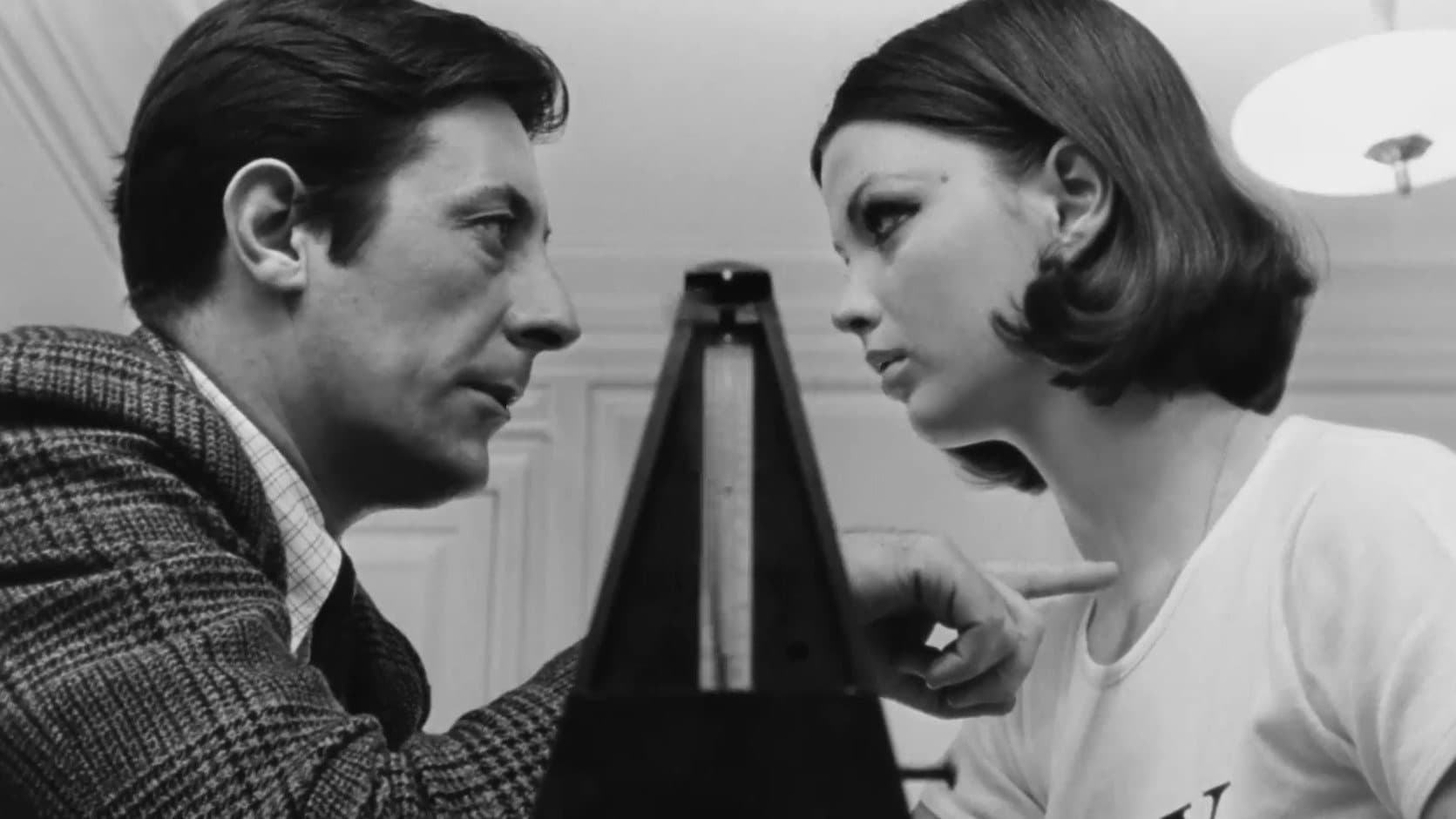
Wormholes to more wormholes, the continually surprising audiovisual essays of Morgan Quaintance draw incisive connections between the most seemingly disparate of subjects—see how his quietly radical Missing Time moves, almost imperceptibly, from a consideration of New Hampshire alien abductions and postwar hypnotherapy to the violent traumas of British colonialism. Complemented by equally intricate sound design, his deft remixing of archival, found, and personal footage results in juxtapositions sometimes witty, sometimes devastating, and always thought-provoking in their insights into race, power structures, history, and memory.
Featuring a new introduction by the director, part of Criterion’s Meet the Filmmakers series The search for identity is at the core of Colombian-Canadian director Lina Rodriguez’s intimate, richly impressionistic films. Informed by her own immigrant experience, her narrative features like So Much Tenderness and This Time Tomorrow and her acclaimed documentary My Two Voices capture women in the process of discovering themselves as they wrestle with feelings of cultural displacement, fraught family ties, past traumas, and the social expectations that shape their lives. Her formally adventurous framing, editing, and sound design give sensorially textured expression to the complex psychic landscapes she maps.
In the latest edition of Adventures in Moviegoing, Queens-born filmmaker and famously delightful raconteur James Gray ( Two Lovers , Armageddon Time ) discusses his filmic education courtesy of New York’s vibrant repertory cinemas and the formative discoveries that shaped his uniquely intelligent approach to moviemaking. The films he has selected—including exemplars of elegant, emotionally layered storytelling like Alexander Korda’s That Hamilton Woman , Luchino Visconti’s Rocco and His Brothers , and Lina Wertmüller’s Seven Beauties —reflect the commitment to careful craftsmanship and complex moral inquiry that have helped make Gray one of the most thoughtful and sincere American directors working today.
Images of unforgettable terror and strange beauty exist side by side in these darkly imaginative works that fuse genre chills with formal innovation. Tapping into horror’s potential to manifest our subconscious fears, visionary directors like David Lynch ( Eraserhead ), Dario Argento ( Suspiria ), and Georges Franju ( Eyes Without a Face ) embrace the genre’s surreal side, inviting us on hallucinatory journeys into dreamlike dread. From cult classics ( Carnival of Souls ) and influential landmarks ( Night of the Living Dead ) to international shockers ( Cure ) and one-of-a-kind hybrids ( The Lure ), these films push the genre to its most out-there limits.
Featuring a new introduction by the filmmaker, part of Criterion’s Meet the Filmmakers series Though his filmography to date consists of only three features and a dozen or so acclaimed, eclectic short films, Dustin Guy Defa has carved out a unique niche as one of American independent cinema’s most intriguing and defiantly unorthodox auteurs. Interested, above all, in people and their relationships, his by turns wryly humorous and melancholic films are populated by unforgettable characters and feel something like a throwback to the smart, literate, observant human dramas of the 1970s. Defa’s unique touch is on perfect display in his award-winning short Person to Person , which shares a title with his wonderfully low-key, shaggy-dog 2017 feature.
Criterion Collection Edition #1189 Merging social-realist themes with a refined, often breathtakingly beautiful visual sensibility, the politically committed yet poetic works of Bo Widerberg broke with the inward-looking psychodrama of Ingmar Bergman to give dynamic expression to the everyday experiences of working-class Swedes. SUPPLEMENTAL FEATURES: An introduction by filmmaker Ruben Östlund, interviews with actor Tommy Berggren and cinematographer Jörgen Persson, behind-the-scenes footage, and more.
Take a European vacation full of danger, suspense, and surprise with some of the most stylish, nerve-twisting films ever to make their way across the pond. There’s murder on the Mediterranean ( Purple Noon ), mystery in the Land of the Midnight Sun ( Insomnia ), paranoia among the shadows of Prague ( The Ear ), surreal dread on the English moors ( The Shout ), erotically charged menace on the French Riviera ( La piscine ), and high-tech corporate intrigue across the dark web ( Demonlover ) in a selection of continental thrill rides to make your pulse quicken.
Featuring an introduction by the filmmaker Whether working in animation, live action, or a no-holds-barred blend of the two, underground creative force Leah Shore makes raunchy, hilarious, neon-blasted cinematic transgressions that explode with a feverish, mad-scientist visual energy. Expect shape-shifting surrealism, Day-Glo delirium, and filthy-fun kink calibrated to keep your eyeballs spinning.
The exquisitely stylized, richly emotional films of Hong Kong New Wave auteur Stanley Kwan employ the conventions of melodrama with a rare sensitivity and sincerity. Empathetically attuned to the longings and struggles of women, his masterpieces—the sumptuous ghost story Rouge and the kaleidoscopic meta-biography Center Stage —offer tour-de-force showcases for Hong Kong cinema greats Anita Mui and Maggie Cheung, while his own identity as a gay man is given aching expression in the landmark queer romance Lan Yu . Awash in gorgeous mise-en-scène, these films entwine majestic melancholy with complex reflections on history, society, and politics.
A founder of Italian neorealism, Roberto Rossellini brought to filmmaking a documentary-like authenticity and philosophical stringency that changed the course of film history. Rossellini broke out with Rome Open City , a shattering and vivid chronicle of the Nazi occupation of Italy’s capital, followed by Paisan and Germany Year Zero , which round out his celebrated War Trilogy. His adulterous affair with Ingrid Bergman led to the biggest controversy of his career (they were both condemned by the United States Senate) but also to another extraordinary trilogy— Stromboli , Europe ’51 , and Journey to Italy , all starring Bergman. From then on, Rossellini experimented with different forms, including an ascetic religious film ( The Flowers of St. Francis ), a documentary about India ( India: Matri Bhumi ), and…
A series of eight densely layered experimental video essays by Vietnamese American artist Tran T. Kim-Trang, The Blindness Series encompasses a dizzying array of themes and aesthetic strategies as it explores the many metaphorical resonances surrounding blindness and vision. Ranging in style from highly processed collage that mimics the aesthetics of MTV to more straightforward documentary, these thought-provoking, politically engaged works explore questions surrounding cosmetic surgery of (Asian American) eyelids, vision and sexuality, video surveillance, and hysterical blindness as they open up entirely new ways of seeing.
Delve deeper into the labyrinthine psyche of surrealist nightmare-weaver David Lynch with these unsettling, hallucinatory shorts that reflect the origins and evolution of his singular style. Spanning the early experimental and painterly works that laid the foundation for his cult sensation Eraserhead through his darkly absurdist web animation series DumbLand , these films are replete with the sinister, uncanny imagery that could have emerged only from an artist so deeply in tune with his subconscious.
The first woman from Burkina Faso to direct a narrative film, Fanta Régina Nacro addresses complex social issues with a gently subversive, lightly comic touch. Tackling everything from AIDS and sexual health to gender roles and relations to the evolving place of tradition within the modern world, her engaging, playfully eye-opening films both reflect and critique the realities of a patriarchal society in which bold women gradually push change forward.
The seasons may change, but the folly of the human heart is constant in this ineffably lovely quartet by one of cinema’s most perceptive chroniclers of the pangs and perils of romance, Eric Rohmer. By turns comic and melancholic, breezy and richly philosophical, these bittersweet tales of love, longing, and the inevitable misunderstandings that shape human relationships probe the most complex of emotions with the utmost grace. Never before available on streaming or home video, this cycle of newly restored wonders marks a major rediscovery.
Featuring the documentary Harold Lloyd: The Third Genius One hundred years ago, Harold Lloyd gave the movies one of their most meme-able moments—the anxious, thrilling, clock-hanging climax of Safety Last! , a film that still stands as a high-water mark of slapstick invention. Though often overlooked in favor of his more famous silent-clown contemporaries Charlie Chaplin and Buster Keaton, the bespectacled everyman was easily the equal of those legends in both hilarity and hair-raising derring-do. From the football-field antics of The Freshman to the freewheeling New York odyssey of Speedy , Lloyd’s innovative and endearing classics are packed wall-to-wall with some of the funniest and most unforgettable sight gags ever realized on film.
A director of such distinctive, overpowering vision that he has inspired his own adjective, David Lynch makes films that seem telegraphed straight from his unconscious to the screen. Now streaming for the first time, Lynch’s newly restored masterpieces Lost Highway and Inland Empire , as well as a one-month-only limited engagement of his sui generis sci-fi epic Dune , join this retrospective of his mind-altering work. From the unsettling surrealist imagery of his midnight-movie classic Eraserhead to the harrowing suburban nightmare Twin Peaks: Fire Walk with Me to the Hollywood Dream Factory odyssey Mulholland Dr. , Lynch’s labyrinthine puzzle boxes turn the American psyche inside out to reveal its deepest, darkest dimensions.
One of the key, unsung visionaries of the Czechoslovak New Wave of the 1960s and early ’70s, Ester Krumbachová left an indelible imprint on some of the movement’s defining films—including A Report on the Party and Guests , Daisies , and Valerie and Her Week of Wonders —through her inimitable work as a costume designer, art director, and screenwriter, forging a boldly anarchic, surreal, often defiantly feminine aesthetic to match the freewheeling spirit of the times. Her sole directorial effort, the satanic feminist farce The Murder of Mr. Devil , is as wickedly subversive as anything the New Wave produced, so it’s little wonder that she was one of many artists effectively banned from filmmaking by the Communist authorities. Her legacy lives on, however, in the iconoclastic words and images that gave shape to one of the most radical creative eruptions in the history of cinema.
A pioneering American writer, director, and producer whose films are among the boldest of the silent and early sound eras, independent auteur Oscar Micheaux gave Black audiences a reflection of their own experiences crafted with a complexity and seriousness that stood in stark contrast to the racist stereotypes propagated by his contemporary D. W. Griffith and the nascent Hollywood studio system. Tackling issues of race relations, systemic injustice, and the struggles of Black Americans striving for better lives with both stirring power and a showman’s sense of spectacle, these films—including the bold exposé of racist violence Within Our Gates ; Body and Soul , a potent critique of religious hypocrisy starring the great Paul Robeson; and the subversive detective mystery Murder in Harlem , presented here in a major new restoration—offer a vital counter-history of American cinema, one with the Black experience at its fore.
Sometimes all it takes to restore your faith in humanity is a simple, good-old-fashioned love story. Refreshingly free of cynicism, these unabashedly starry-eyed tales of all-consuming passion and sweep-you-off-your-feet romance are sexy, sweet, and maybe even a little sappy—just the way a good love affair should be. From romantic-comedy charmers ( City Lights , The Lady Eve ) to rapturous art-house reveries ( Boy Meets Girl , Wings of Desire ) to swooning expressions of queer desire ( Desert Hearts , Happy Together ), these are the intoxicating all-timers that make us fall in love with love.
Alongside its legendary once-a-decade critics’ poll, Sight and Sound magazine conducts a parallel survey of filmmakers to produce a collective list of the 100 greatest films of all time. 2022’s edition polled 480 directors, producing a selection that includes many surprises not present on the critics’ list, such as Come and See , Eraserhead , and La Ciénaga .
Once every decade, Sight and Sound magazine has polled film critics from around the world and issued a list of the 100 greatest films of all time. Ever since the first poll in 1952, the Sight and Sound list has played a central role in film culture, sending movie lovers on obsessive viewing quests to watch them all, as well as catalyzing debates around the assumptions and biases that shape the canon. With over 1,600 critics contributing ballots, 2022’s edition is the most expansive yet, resulting in a list that includes old favorites like Tokyo Story , The Rules of the Game , and Seven Samurai and new entries such as Wanda and Chungking Express —as well as a new champion in the…
Featuring a new introduction by critic Godfrey Cheshire, author of In the Time of Kiarostami Long before he became one of the most renowned artists in world cinema, the great Iranian filmmaker Abbas Kiarostami began his cinematic career at the Institute for Intellectual Development of Children and Young Adults (a.k.a. Kanoon) in Tehran, where he honed his distinctive style and themes and initiated a three-decade-long string of films made about or for children. From his very first short, The Bread and Alley (which the director called the “mother of all my films”), to underseen early revelations like Experience and The Traveler to his beloved international breakthrough Where Is the Friend’s House? , these graceful, playful, and deceptively simple works use the small, relatable struggles of children to point to major universal truths about society, ethics, morality, and the human condition.
Featuring a new introduction by the filmmaker In the seventeen years between his first two theatrical features (1971’s Bleak Moments and 1988’s High Hopes ), Mike Leigh, the great humanist of British cinema, sharpened his distinctive voice and famously improvisatory process at the BBC, where he directed a string of striking, bittersweet slice-of-life dramas built around sharply etched characters. Infused with Leigh’s trademark humor, empathy, and incisive class and social critiques, these oft-neglected early works are blueprints to Leigh’s illustrious later career and brilliant showcases for many of the legendary actors who would become his most important collaborators, including Alison Steadman, Lesley Manville, Brenda Blethyn, and Timothy Spall.
In the 1960s, filmmakers on both sides of the Atlantic spilled into the streets in search of cinematic truth, armed with lightweight cameras that allowed for an unprecedented level of intimacy and liberated documentary from the conventions of voice-over narration and talking-head interviews. Today the term cinema verité (“cinema of truth”) is used as a catchall for both the philosophical and ethnographic inquiries of Jean Rouch and Edgar Morin—who coined the term—and the Direct Cinema movement in the U.S., which revolutionized and popularized the documentary form by attempting to capture, with startling immediacy, the truth of everyday life, often finding it in the era’s churning counterculture. This program features defining works by Rouch and Morin ( Chronicle of a Summer ), D. A. Pennebaker ( Dont Look Back ), the Maysles brothers ( Salesman ), and Barbara Kopple ( Harlan County USA ) that display the myriad contrasting methods these filmmakers employed to capture truth on film.
Anchoring both high-profile blockbusters like the Creed and Thor franchises and acclaimed, adventurous indies like Sorry to Bother You and Passing , actor and producer Tessa Thompson has emerged as one of the most intriguing and versatile performers of her generation. In this edition of Adventures in Moviegoing, Thompson sits down with Criterion curatorial director Ashley Clark to discuss acting legends like Angela Bassett and Al Pacino, as well as the films that have had a lasting impact on her understanding of the art. Encompassing the ravishing bossa nova beauty of Marcel Camus’s Black Orpheus , the wildly unrestrained sensuality of Jean-Jacques Beineix’s Betty Blue , and the jagged surrealist comedy of Janicza Bravo’s Lemon , her selections offer a menu of bold, transportive, and immersive moviegoing experiences.
Featuring an appreciation by filmmaker Alex Cox The man who gave the world Godzilla, Rodan, Mothra, and more, Ishiro Honda was the wizard behind the Japanese monster-movie ( kaiju eiga ) craze that thrilled legions of international fans in the 1950s and ’60s. Turning the trauma of nuclear attack into larger-than-life pop spectacle, Honda created ferociously entertaining special-effects extravaganzas that doubled as resonant metaphors for the devastation of World War II. This tribute to Honda’s ever-imaginative artistry features the creature features for which he is best remembered as well as lesser-known cult favorites like the psychedelic horror freakout Matango .
Featuring the exclusive streaming premiere of the documentary Searching for Mr. Rugoff How did era-defining art films like Z , Gimme Shelter , and Scenes from a Marriage find an audience in the U.S.? It was thanks in large part to a groundbreaking movie-theater chain and distribution company called Cinema 5, the brainchild of an inspired, often difficult impresario named Donald Rugoff. Selected to accompany the exclusive streaming premiere of Ira Deutchman’s documentary Searching for Mr. Rugoff , this survey of some of the films that Cinema 5 helped make classics includes underground landmarks ( Putney Swope ), international provocations ( WR: Mysteries of the Organism ), documentary triumphs ( Harlan County USA ), cult favorites ( The Man Who Fell to Earth ), and even the movie that made Arnold Schwarzenegger a household name ( Pumping Iron ).
Reality and fantasy, dreams and memories flow freely into one another in the haunting, layered works of iconoclastic auteur Carlos Saura, arguably the most important Spanish filmmaker to emerge between Luis Buñuel and Pedro Almodóvar. Achieving international renown during the repressive years of Francisco Franco’s rule, Saura became a model for how to make dissident political cinema under an authoritarian regime, using potent metaphors and symbolism to dodge censors and examine his nation’s troubled twentieth-century history. In complex and often controversial works like Peppermint Frappé , Cousin Angelica , and Cría cuervos . . . —frequently starring his longtime partner Geraldine Chaplin—Saura explored the legacy of fascism and its devastating effects on a generation of Spanish citizens, while in often-overlooked post-Franco films such as Deprisa, deprisa he captured the turbulence of a society experiencing the first shockwaves of liberalization.
No actress represents the golden age of Japanese cinema more fully than Setsuko Hara, whose radiant, compassionate presence made her nothing less than the living symbol of the changing role of women in Japanese society. Beginning her career at age fifteen, she appeared in more than one hundred films, including works by Akira Kurosawa ( No Regrets for Our Youth , The Idiot ) and Mikio Naruse ( Repast , Sound of the Mountain ). But it is her six collaborations with Yasujiro Ozu—including the masterpieces Late Spring and Tokyo Story —for which she will always be best remembered. Portraying selfless women navigating the tensions between family, tradition, and generational sea change, she illuminated the screen with performances of unparalleled subtlety and grace.
No budget? No problem! Short on cash but flush with inspiration, these resourceful filmmakers prove that passion and creative vision can turn scarcity into opportunity. From the ultimate in B-noir sleaze ( Detour ) to counterculture sensations from the indie underground ( Sweet Sweetback’s Baadasssss Song , Eraserhead ) to early masterpieces from celebrated international auteurs like Chantal Akerman (<em.Je tu il elle), David Lynch ( Eraserhead ), Jim Jarmusch ( Stranger Than Paradise ), Richard Linklater ( Slacker</em.), and Jia Zhangke ( Xiao Wu ), the films in this collection—all made for $150,000 or less—make a little go a long way, refusing to let their shoestring budgets hamper their artistic invention.
Featuring introductions to all shorts by the filmmaker Hailed for her vibrant explorations of culture clash and connection in films like Monsoon Wedding and Mississippi Masala , Indian American auteur Mira Nair has pursued an equally distinguished career as a director of short films that further explore the ways in which deep-rooted cultural traditions and prejudices shape everyday life. Bringing together early documentary works—including the revealing study of Indian moral hypocrisy India Cabaret , about the experiences of women working in a Mumbai strip club—alongside narrative shorts like the searing portrait of post–9/11 anti-Muslim racism 11’09”01—September 11 , this collection reflects Nair’s deep and abiding concern for society’s most marginalized members.
Exuding a gruff, jaded cynicism, Jean Gabin became the defining face of pre–New Wave French cinema, embodying its downtrodden, working-class heroes with a mix of smoldering charisma and sardonic ennui. His renowned collaborations with leading directors like Jean Renoir ( Grand Illusion , La bête humaine ) and Julien Duvivier ( Pépé le moko ) placed him at the center of the burgeoning poetic-realist movement and, inevitably, attracted the attention of Hollywood—which sought to sell his Gallic earthiness to American audiences in the fascinating, if ill-fated, noir Moontide . Returning to France, Gabin took his rightful place as a living, almost mythic symbol of his country’s national cinema, reuniting with Renoir for the spectacular period musical French Cancan and teaming up with his next-generation successor, Jean-Paul Belmondo, in the alcohol-soaked seriocomedy A Monkey in Winter .
Featuring an episode of the Criterion Originals series Creative Marriages on Itami’s collaboration with Nobuko Miyamoto Maverick director Juzo Itami didn’t direct his first feature—the alternately bawdy and bittersweet satire The Funeral —until the age of fifty, but it announced the arrival of a fully formed sensibility unafraid of skewering the most sensitive aspects of Japanese society. Though his follow-up, the rapturous “ramen western” Tampopo , would become his biggest international hit, it is only one jewel in a remarkably rich filmography that abounds in funny, sensual, and surreal pleasures. Frequently built around strong women—almost always embodied by his regular leading lady and real-life wife, the indomitable Nobuko Miyamoto—Itami’s films take bold, iconoclastic aim at everything from corporate corruption ( A Taxing Woman )…
Toronto-based filmmaker Sophy Romvari’s intimate, essayistic shorts muse on family, grief, femininity, and humans’ relationships with animals, often with exquisitely touching vulnerability. Deeply personal—she frequently appears in her own films and incorporates her own family’s history and photographs (as in the profoundly cathartic Still Processing )—Romvari’s practice follows in the self-reflexive footsteps of filmmakers like Agnès Varda and Chantal Akerman while reflecting a contemporary sensibility all her own.
Shocking, confrontational, and made with white-hot fury, these radical documentaries—directed by Kazuo Hara and produced by his wife and longtime creative partner, Sachiko Kobayashi—give voice to the outsiders and iconoclasts who wage war with the conformism of modern Japanese society. From a woman willing to risk everything on her journey toward personal and sexual liberation ( Extreme Private Eros: Love Song 1974 ) to a man whose quest to expose Japanese wartime atrocities borders on madness ( The Emperor’s Naked Army Marches On ), the unforgettable subjects of these films are invited to be collaborators in Hara and Kobayashi’s process, resulting in works of unmatched power and immediacy.
Featuring hours of supplemental features from Criterion’s Blu-ray box set, as well as a new introduction to Watermelon Man by film scholar Racquel J. Gates Director, writer, composer, actor, and one-man creative revolutionary Melvin Van Peebles jolted American independent cinema to new life with his explosive stylistic energy and unfiltered expression of Black consciousness. Though he undeniably altered the course of film history with the anarchic Sweet Sweetback’s Baadasssss Song , that pop-culture bombshell is just one piece of a remarkably varied career that also encompassed forays into European art cinema ( The Story of a Three Day Pass ), mainstream Hollywood comedy ( Watermelon Man ), and Broadway musicals ( Don’t Play Us Cheap ). Each facet of Van Peebles’s renegade genius is on display in this tribute to a transformative artist whose caustic social observation, radical formal innovation, and uncompromising vision established a new cinematic model for Black creative independence.
Featuring hours of archival interviews with Jean-Luc Godard, François Truffaut, Claude Chabrol, Agnès Varda, and more There was cinema before the French New Wave, and there was cinema after. The explosion of creative innovation that emanated from France in the late 1950s and early ’60s forever altered the course of film history by opening up new avenues of stylistic experimentation and trumpeting the concept of the “auteur” director, whose aesthetic vision and thematic obsessions took center stage. Led by a coterie of passionate film critics and cinephiles who took up cameras—including the radical Jean-Luc Godard ( Breathless , Pierrot le fou ), the romantic François Truffaut ( The 400 Blows , Jules and Jim ), the restless Agnès Varda ( Cléo from 5 to 7 , Le bonheur ),…
Featuring a new introduction by film scholar David Forgacs From the rubble of a devastated postwar Italy, an extraordinary artistic flowering sprang forth that soon took the world by storm. Led by figures such as Roberto Rossellini, Vittorio De Sica, and Luchino Visconti, a generation of filmmakers gave stirring expression to the concerns, struggles, and humanity of ordinary, working-class people with a blend of earthy naturalism and bittersweet lyricism. From early postwar landmarks like Rome Open City and Bicycle Thieves through later films like Rocco and His Brothers and Il posto that built upon neorealism’s concerns while opening up new thematic and aesthetic territory, this overview showcases multiple masterpieces that forever changed the course of film history by revealing the drama and poetry inherent in everyday life.
Featuring a new introduction by Athina Rachel Tsangari, in conversation with Richard Linklater Startling, subversive, and explosively controversial, the films of Ethiopian-born Greek iconoclast Nikos Papatakis have long been frustratingly hard to see, but they constitute one of the most radical and neglected bodies of work in all of European cinema. A man of the world who rubbed shoulders with Jean Genet and John Cassavetes (he produced the former’s Un chant d’amour and the latter’s Shadows ), Papatakis began his directing career with the incendiary call to class warfare Les abysses , which nearly provoked a riot when it premiered at Cannes in 1963. The scandal was merely a warm-up for a career that courted controversy at every turn and which includes…
While other budding directors were honing their craft in film school, Richard Linklater was getting a crash course in the art and history of cinema his own way: by watching anything and everything he could at the local repertory theaters in Houston and Austin, where he discovered the world-cinema masterworks and avant-garde rarities that would inspire him to create independent touchstones like Slacker , Dazed and Confused , and Before Sunrise . In this edition of Adventures in Moviegoing, Linklater sits down to discuss his path from working on an oil rig to directing, why he considers the eighties to be an underrated cinematic decade, and how his Austin Film Society grew from a DIY labor of love into a cultural powerhouse. A…
Described by Alain Resnais as “the prototype of the twenty-first-century man,” French cine-essayist and multimedia visionary Chris Marker always seemed prophetically ahead of his time—so much so that even now, one hundred years after his birth, his playful, philosophical, and deeply personal ruminations on time, memory, and the rapid advancement of life on this planet still feel bracingly modern, full of secrets and surprises remaining to be discovered and deciphered. This centenary celebration brings together two formative early works, the typically idiosyncratic travelogues Sunday in Peking and Letter from Siberia , alongside his twin masterpieces: La Jetée , a radical tale of time travel told through still images, and Sans Soleil , a mind-bending free-form travelogue that journeys from Africa to Japan.
With his lush and sensual visuals, pitch-perfect soundtracks, and soulful romanticism, Wong Kar Wai has established himself as one of the defining auteurs of contemporary cinema. Joined by such key collaborators as cinematographer Christopher Doyle; editor and production and costume designer William Chang Suk Ping; and actors Tony Leung Chiu Wai and Maggie Cheung Man Yuk, Wong (or WKW, as he is often known) has written and directed films that have enraptured audiences and critics worldwide and inspired countless other filmmakers with their poetic moods and music, narrative and stylistic daring, and potent themes of alienation and memory. Whether tragically romantic, soaked in blood, or quirkily comedic, the seven films collected here are an invitation into the unique and wistful world of a deeply influential artist.
In the wake of the Spanish Civil War, Luis García Berlanga revitalized his country’s film industry by puncturing the sanctimony of Franco-era culture. Though less well-known internationally than his iconoclastic compatriot Luis Buñuel or his filmmaking disciple Pedro Almodóvar, Berlanga—who would have turned one hundred this month—was renowned in his home country for his sardonic, censor-skirting attacks on political repression, economic neglect, and false piety, spiked with ebullient screwball rhythms that delighted mainstream audiences. Overflowing with vivid characters and brilliantly orchestrated moments of absurdist humor, these films and their daring provocations—including Welcome Mr. Marshall! ’s sly antinationalist satire, Plácido ’s masterful takedown of upper-class hypocrisy, and The Executioner ’s caustic attack on capital punishment—led Franco himself to declare, “Berlanga is not a Communist; he is worse than a Communist, he is a bad Spaniard.” A ringing endorsement if there ever was one!
For decades, the queer experience on-screen was defined by invisibility and marginalization. The trailblazing works of Rob Epstein and Jeffrey Friedman have been instrumental in changing that. Since the 1970s, when he contributed to the Mariposa Collective’s Word Is Out—a landmark documentary that shattered the public silence around LGBTQ lives in America—Epstein has been telling powerful stories that center the gay experience, including the Oscar-winning The Times of Harvey Milk . In the late eighties, he teamed up with Friedman to form the production company Telling Pictures, and the pair’s subsequent triumphs include an Academy Award–winning AIDS documentary ( Common Threads: Stories from the Quilt ), a groundbreaking revisionist history of Hollywood ( The Celluloid Closet ), and a narrative retelling of Allen Ginsberg’s 1957 obscenity trial ( Howl ). Urgent, stirring, and deeply humane, these films represent a major turning point in the cultural conversation surrounding LGBTQ issues and acceptance.
Featuring Shyam Benegal’s 1984 feature documentary Satyajit Ray “Not to have seen the cinema of Satyajit Ray means existing in the world without seeing the sun or the moon,” observed Akira Kurosawa with regards to the Indian master who would have turned one hundred this May. Influenced by the poetic humanism of Jean Renoir and the Italian neorealist movement, Ray self-financed his landmark debut Pather Panchali —the first installment of his internationally celebrated Apu Trilogy, a cycle of richly humane masterworks that traces its title character’s journey from boyhood to maturity. Over the course of a long, remarkably varied career that encompassed forays into a wide array of genres—including period pieces, comedies, detective mysteries, and documentaries—Ray applied his compassionate, lyrical vision…
A century after his birth, Federico Fellini still stands apart as a giant of the cinema. The Italian maestro is defined by his dualities: the sacred and the profane, the masculine and the feminine, the provincial and the urbane. He began his career working in the slice-of-life poetry of neorealism, and though he soon spun off on his own freewheeling creative axis, he never lost that grounding, evoking his dreams, memories, and obsessions in increasingly grand productions teeming with carnivalesque imagery and flights of phantasmagoric surrealism while maintaining an earthy, embodied connection to humanity. Featuring a selection of beautifully restored classics, this tribute celebrates a titan who conjured a cinematic universe all his own: a vision of the world as a three-ring circus in which his innermost infatuations, fears, and fantasies take center stage. Added on Thursday, 25 March 2021
A former writer and correspondent for The Daily Show , the star of Barry Jenkins’s first feature Medicine for Melancholy , and the producer and host of the HBO series Wyatt Cenac’s Problem Areas , comedian and actor Wyatt Cenac is also a passionate cinephile who, unsurprisingly, has strong insights into what makes for good screen comedy. In this edition of Adventures in Moviegoing, Cenac sits down with film scholar Michael B. Gillespie to discuss his selection of favorites, which include button-pushing racial satires from Spike Lee and Robert Downey Sr., graceful cinematic charades by Jacques Tati, and trailblazing works by Ousmane Sembène and Horace Ové. Added on Sunday, 21 February 2021
Heralded by Martin Scorsese as “an anthropologist who speaks with the voice of a poet,” Italian director Vittorio De Seta produced a string of extraordinary short documentaries in the 1950s that distill their subjects to pure cinema. Shooting in vivid color in the rural villages of Sicily, Sardinia, and Calabria, De Seta captured the rhythms and rituals of everyday life among the fishermen, miners, shepherds, and farmers who continued to live and work according to the preindustrial traditions of their ancestors. Presented without voiceover so that the rhapsodic visuals speak for themselves, these miniature marvels stand as essential, ennobling records of a vanished world. Added on Thursday, 28 January 2021
Featuring a new introduction by Imogen Sara Smith Just as postwar disillusionment infiltrated American pop culture and found its way to Hollywood in the form of film noir, so it did in Japan, where a wave of edgy, existential crime dramas spread like a shadow across the Land of the Rising Sun. With Stray Dog, Akira Kurosawa applied the chiaroscuro visual style and hard-boiled sensibility of American noir to a corrosive portrait of Japanese society—anticipating a profusion of fatalistic thrillers and policiers that would prove wildly popular throughout the 1950s and ’60s. The so-called “mukokuseki akushun” (“borderless action”) film was a particular specialty of Nikkatsu, the boundary-pushing studio where renegade directors like Seijun Suzuki ( Youth of the Beast ), Shohei Imamura…
Featuring extensive supplemental features from Criterion’s The Complete Films of Agnès Varda box set A founder of the French New Wave who became an international art-house icon, Agnès Varda was a fiercely independent, restlessly curious visionary whose work was at once personal and passionately committed to the world around her. In an abundant career in which she never stopped expanding the notion of what a movie can be, Varda forged a unique cinematic vocabulary that frequently blurs the boundaries between narrative and documentary, and entwines loving portraits of her friends, her family, and her own inner world with a social consciousness that was closely attuned to the 1960s counterculture, the women’s liberation movement, the plight of the poor and socially…
You’ve read—or at least meant to read—the book. Now see the movie. Just in time for the start of school, we’ve collected some of the all-time great page-to-screen adaptations, encompassing English 101 classics like Great Expectations and Lord of the Flies , world-literature masterpieces like War and Peace and Pather Panchali , modern best sellers like The Virgin Suicides and The Hours , and more. While faithful transpositions abound, there are plenty of surprising spins on canonical titles, such as Akira Kurosawa’s Japan-set retelling of Fyodor Dostoyevsky’s The Idiot , John Huston’s hallucinatory take on Malcolm Lowry’s “unfilmable” Under the Volcano , and Chantal Akerman’s fascinating postcolonialist reimagining of Joseph Conrad’s Almayer’s Folly . Each is a distinguished work of art in its own right, as worthy of appreciation as its celebrated source. Added on Sunday, 27 September 2020
Environmental-art superstar Christo, who passed away in May this year, and his longtime collaborator, Jeanne-Claude, transformed the world’s landscapes into epic canvases for their awe-inspiring site-specific installations. Though their staggering achievements—including an enormous curtain hung between two Colorado mountains and a floating fabric walkway built on an Italian lake—were designed to be ephemeral, they frequently inspired filmmakers, particularly documentary masters Albert and David Maysles, to preserve their creations on celluloid. Films like Running Fence , which depicts the artists’ struggle to build a twenty-four-mile fence out of white nylon fabric, and The Gates , about their decades-in-the-making dream to construct a “golden river” of portals in New York’s Central Park, capture the monumental vision, superhuman determination, and unique relationship that drove an extraordinary artistic partnership. Added on Thursday, 10 September 2020
From garlic to gap-toothed women, no subject was too esoteric to capture the imagination of Les Blank, an uncompromisingly independent spirit who, for nearly fifty years, disappeared with his camera into subcultures rarely seen on-screen. Seemingly off-the-cuff yet poetically constructed, Blank’s films are humane, sometimes wry, always engaging tributes to music, food, and all sorts of regionally specific delights. Whether documenting the art of a legendary Texas bluesman ( The Blues Accordin’ to Lightnin’ Hopkins ), the richness of Cajun culture ( Spend It All ), or the quixotic exploits of his friend Werner Herzog ( Burden of Dreams ), Blank had a boundless zest for life and people that shines through every frame of his affectionate, joy-filled work. Added on Monday, 17 August 2020
Turning seventy-five this August, Wim Wenders is cinema’s preeminent poet of the open road, soulfully tracing the journeys of wanderers and drifters searching for themselves. Over the course of his incredible five-decade career, Wenders has traversed the landscapes of his native Germany ( Alice in the Cities , Kings of the Road ), the highways of the American Southwest ( Paris, Texas ), and the dream worlds of angels ( Wings of Desire ), working with master cinematographers like Robby Müller and Henri Alekan to create some of the most indelible images in all of modern cinema. Moving restlessly between exquisite narrative works and innovative documentaries like Tokyo-ga and Pina , Wenders remains a vital and prolific creative force, following his inspiration across the world wherever it may lead. Added on Sunday, 16 August 2020
Originally scheduled to begin this month, the Tokyo Olympic Games have been postponed, but you can still celebrate a century of Olympic glory with this monumental collection. Spanning fifty-three movies and forty-one editions of the Olympic Games, 100 Years of Olympic Films: 1912–2012 is the culmination of a massive, award-winning archival project encompassing dozens of restorations by the International Olympic Committee. The documentaries collected here cast a cinematic eye on some of the most iconic moments in the history of modern sports, spotlighting athletes who embody the Olympic motto of “Faster, Higher, Stronger”: Jesse Owens shattering world records on the track in 1936 Berlin, Jean-Claude Killy dominating the Grenoble slopes in 1968, Joan Benoit breaking away to win the Games’…
Featuring the 2019 documentary Miranda July: Where It Began The fearless, brilliantly idiosyncratic films of writer-director-actor and all-around polymath Miranda July combine arrestingly oddball whimsy with astute, emotionally penetrating observations on intimacy, sexuality, loneliness, and human connection. Beginning her career as a performance artist immersed in the riot grrrl scene of 1990s Portland, Oregon, July found her way to film with her pioneering Joanie 4 Jackie project, in which she curated and distributed feminist video “chain letters” of underground movies made by women across the country. With her acclaimed features Me and You and Everyone We Know and The Future , July established herself as one of American independent cinema’s most distinctive voices, a bold, relentlessly imaginative artist who finds cosmic insight in the everyday. Added on Wednesday, 15 July 2020
Criterion Collection Edition #1030 This compilation of five early short films by Martin Scorsese offers a fascinating window onto his artistic development. Spanning the years from Scorsese’s time at NYU in the mid-1960s to the late ’70s, when he was emerging as one of the era’s most electrifying talents, Scorsese Shorts centers on the intimate home movie Italianamerican —a loving snapshot of the director’s parents—and American Boy , a freewheeling portrait of the larger-than-life raconteur Steven Prince. Also included are The Big Shave , a daringly visceral response to America’s involvement in Vietnam, and the bracing student films What’s a Nice Girl Like You Doing in a Place Like This? and It’s Not Just You, Murray! Touching on many of Scorsese’s key themes—Italian American identity, family, his beloved New York City—these are hilarious, candid, and illuminating works from the preeminent American filmmaker of our time. Added on Thursday, 25 June 2020
Featuring a new conversation between guest programmer Michael Koresky and food and film writer Mayukh Sen For the second installment of Queersighted, a series from Michael Koresky that views film history through a distinctly queer lens, we turn our sights to a handful of filmmakers—from Jean Cocteau to Cheryl Dunye—who have turned their gazes away from convention, using cinema to eroticize the unexpected and subvert objectification. Added on Sunday, 14 June 2020
The inventive, self-reflexive films of independent trailblazer Cheryl Dunye offer multilayered, sharply funny commentaries on the intersections of black and queer identity. Over the course of six provocative, sardonic shorts, Dunye honed a unique, quasi-documentary style she dubbed “Dunyementary,” which she perfected in her first feature, The Watermelon Woman , a landmark of personal filmmaking in which she threads a self-deprecating look at interracial lesbian dating in the 1990s with a pointed critique of the history of African American representation on-screen. In subsequent features like the unconventional murder mystery The Owls , Dunye has continued to combine her astute observations on race, gender, and sexuality with ingenious formal experimentation. Added on Wednesday, 3 June 2020
Filling a longtime void in the city’s cultural landscape, Film Streams opened its doors in 2007 in downtown Omaha, Nebraska, with a sold-out screening of Seven Samurai . With the help of filmmaker and Omaha native Alexander Payne, who has been closely involved with the institution from the beginning, Film Streams soon expanded to a second location at the historic Dundee Theater, the city’s longest-surviving neighborhood cinema, and became an integral part of its community. Reflecting its commitment to adventurous programming, the theater has selected a mix of influential favorites by Charlie Chaplin, Agnès Varda, Ousmane Sembène, and more. Added on Monday, 1 June 2020
Featuring a new interview with Grady Hendrix, author and cofounder of the New York Asian Film Festival Marrying the daredevil physical comedy of Buster Keaton with the martial-arts mastery of Bruce Lee, Jackie Chan is an international icon whose awe-inspiring stunt work and acrobatic grace set a new standard for action spectacle. Working his way up through the Hong Kong film industry of the 1970s as a stuntman, Chan achieved stardom when he combined his thrilling fight choreography with slapstick mayhem in early vehicles like Half a Loaf of Kung Fu and Spiritual Kung F u. Making the leap to director with The Fearless Hyena and The Young Master , Chan embarked on a dazzling run of 1980s successes that culminated with Police Story and its sequel, blockbuster megahits in which his death-defying, adrenaline-rush set pieces reached new heights of giddy virtuosity. Added on Sunday, 31 May 2020
Over the course of a nearly forty-year career, Louis Malle forged a reputation as one of the world’s most versatile cinematic storytellers, with such widely acclaimed, and wide-ranging, masterpieces as Elevator to the Gallows , My Dinner with Andre , and Au revoir les enfants . At the same time, however, with less fanfare, Malle was creating a parallel, even more personal body of work as a documentary filmmaker. With the discerning eye of a true artist and the investigatory skills of a great journalist, Malle takes us from a street corner in Paris to America’s heartland to the expanses of India in his astonishing epic Phantom India . These are some of the most engaging and fascinating nonfiction films ever made. Added on Monday, 11 May 2020
The undisputed kings of kinetic, adrenaline-rush cinema that unfolds at the heart-stopping pace of a New York minute, Josh and Benny Safdie have been keeping audiences on the edge of their seats (and on the verge of a panic attack) for over a decade with whirlwind character studies like Uncut Gems , Good Time , and Heaven Knows What . In this edition of Adventures in Moviegoing, the brothers sit down to discuss everything from how their father’s love of movies shaped their upbringing (and made Dustin Hoffman a surrogate screen dad) to their deep-cut-heavy list of the best New York City movies (there’s a lot). The films they’ve chosen to present include slice-of-life gems from Mike Leigh ( Meantime ) and Billy Woodberry ( Bless Their Little Hearts );…
Featuring a new introduction by critic Imogen Sara Smith and the 2015 documentary Mifune: The Last Samurai Akira Kurosawa once said, “The ordinary Japanese actor might need ten feet of film to get across an impression. Toshiro Mifune needed only three feet.” However, the filmmaker certainly gave Mifune—born on April 1, 1920—a lot of space: over the course of sixteen indelible collaborations, the actor and the director created some of the most dynamic characters ever put on-screen, all marked by an explosive physicality, live-wire intensity, and surprising tenderness. Discovered by Kurosawa during an open audition at Toho Studios, Mifune would go on to inhabit a wide variety of roles—from gangsters to samurai to salarymen—in the director’s greatest films, masterpieces like…
The great counterculture curmudgeon of American independent cinema, Terry Zwigoff makes refreshingly cynical films populated by misfits, losers, and alienated geniuses. Jaded odes to eccentricity in an overly slick pop-culture wasteland, Zwigoff’s films are hilariously acerbic yet graced with an undeniable affection for their oddball antiheroes. Added on MONDAY, 23 MARCH 2020
For five years in the 1990s, comedian and actor Patton Oswalt lived a double life as a movie junkie, a habit he picked up at the famed Los Angeles repertory house the New Beverley and which he documents in his memoir, Silver Screen Fiend: Learning About Life from an Addiction to Film . In this edition of Adventures in Moviegoing, Oswalt sits down with Alicia Malone to discuss the origins of his cinemania as well as some of his all-time favorite films, including a pair of Japanese New Wave crime dramas, a landmark concert documentary, and Kelly Reichardt’s revelatory breakout feature. Added on THURSDAY, 5 MARCH 2020
Located just north of Manhattan in Pleasantville, New York, the Jacob Burns Film Center has been bringing vital independent, documentary, and world cinema to Hudson Valley audiences for nearly two decades. The theater’s independent spirit—nourished by supporters like Jonathan Demme, who called it “a force for social change disguised as a movie theater”—is reflected in this documentary profile, the latest entry in our Art-House America series. It’s accompanied by a diverse lineup of specially selected films, which includes a landmark concert documentary, a pair of German New Wave masterpieces, and twenty-first-century art-house gems from Argentina and Romania. Added on MONDAY, 17 FEBRUARY 2020
It may be the season of cheerful carols and twinkling lights, but the holidays also bring about a melancholy mood that has inspired some of the world’s greatest filmmakers. This selection explores the clashing emotions at the heart of the yuletide spirit. Added on SUNDAY, 22 DECEMBER 2019